Nasa lambayequensis
NameNasa lambayequensis
Scientific NameNasa lambayequensis
Common NamesPeruvian Stinging Nettle
Plant FamilyLoasaceae
Natural HabitatEndemic to the montane forests and high-altitude regions of the Lambayeque department in northern Peru, thriving in humid, well-drained soils.
Parts Usedwhole_plant,leaf,flower
Medicinal Actionsanti-inflammatory, analgesic
Traditional UsesTraditionally, species within the Nasa genus are used topically in Andean folk medicine to alleviate rheumatic pain, muscle aches, and localized inflammation, often utilizing the stinging hairs for a counter-irritant effect. Specific traditional uses for Nasa lambayequensis are not extensively documented, but are likely similar to its close relatives.
Active Constituentsflavonoids, tannins, histamine-like substances, acetylcholine
Preparation Methodspoultice, tincture, infusion
Contraindications & WarningsDirect contact with the plant can cause significant skin irritation due to its stinging hairs. Internal use should be approached with extreme caution due to lack of specific safety data and potential toxicity. Not recommended for pregnant or breastfeeding individuals, or young children.
Cultivation NotesRequires a cool, humid climate with well-drained, fertile soil, mimicking its native Andean montane habitat. Propagation is typically from seed. It is sensitive to frost and prolonged dry periods.
Rarityrare
Description
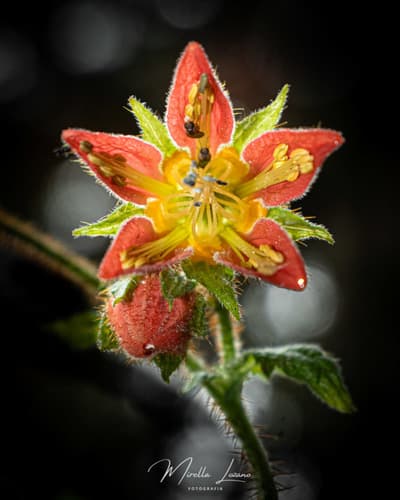
Nasa lambayequensis is a herbaceous perennial plant native to the Andes, characterized by its vibrant, star-shaped flowers with reddish-orange petals and a prominent yellow center. Its stems and leaves are typically covered in stinging hairs, a hallmark of the Nasa genus.