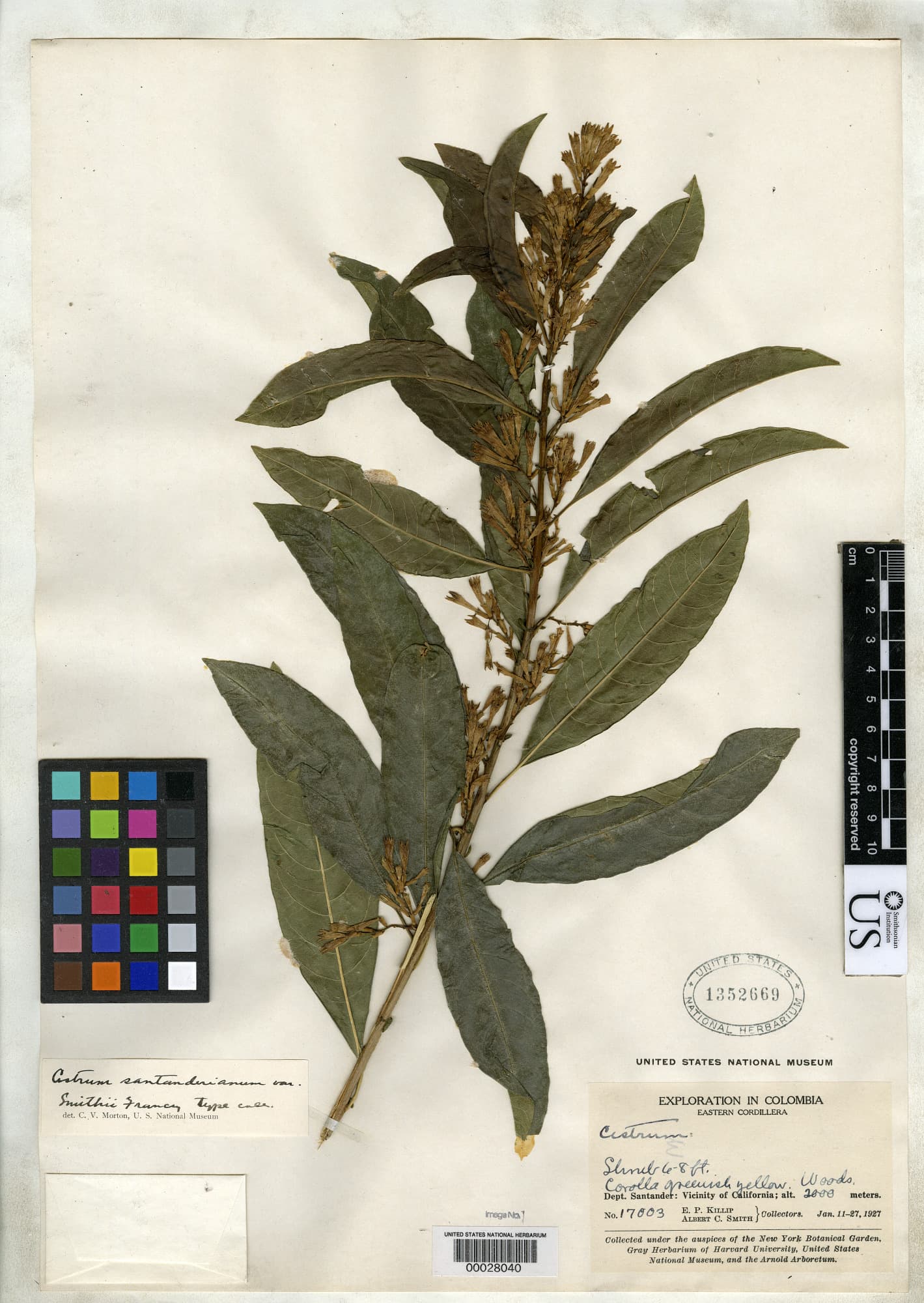
Santander cestrum
Image: Ingrid P. Lin (cc0)
NameSantander cestrum
Scientific NameCestrum santanderianum var. smithii
Common NamesSantander cestrum
Plant FamilySolanaceae
Natural HabitatNative to the Eastern Cordillera of Colombia, found in wooded areas at an altitude of approximately 2000 meters.
Parts Usedleaf,bark
Medicinal Actionsanalgesic, anti-inflammatory
Traditional UsesSpecific traditional uses for Cestrum santanderianum var. smithii are not well-documented. However, other species within the Cestrum genus have been traditionally used for their purgative, emetic, and antipyretic properties, often with extreme caution due to their toxic nature.
Active ConstituentsSteroidal glycoalkaloids, saponins, flavonoids
Preparation Methodspoultice, decoction
Contraindications & WarningsAll parts of Cestrum species are generally considered toxic due to the presence of steroidal glycoalkaloids. Ingestion can cause severe gastrointestinal upset, neurological symptoms, and cardiac issues. Use of this plant, especially internally, is highly discouraged without expert guidance and extreme caution.
Cultivation NotesPrefers wooded habitats at moderate altitudes. Requires well-drained soil and a climate similar to its native Colombian Eastern Cordillera. Can be grown as a shrub, reaching 6-8 feet in height.
Rarityuncommon
Description
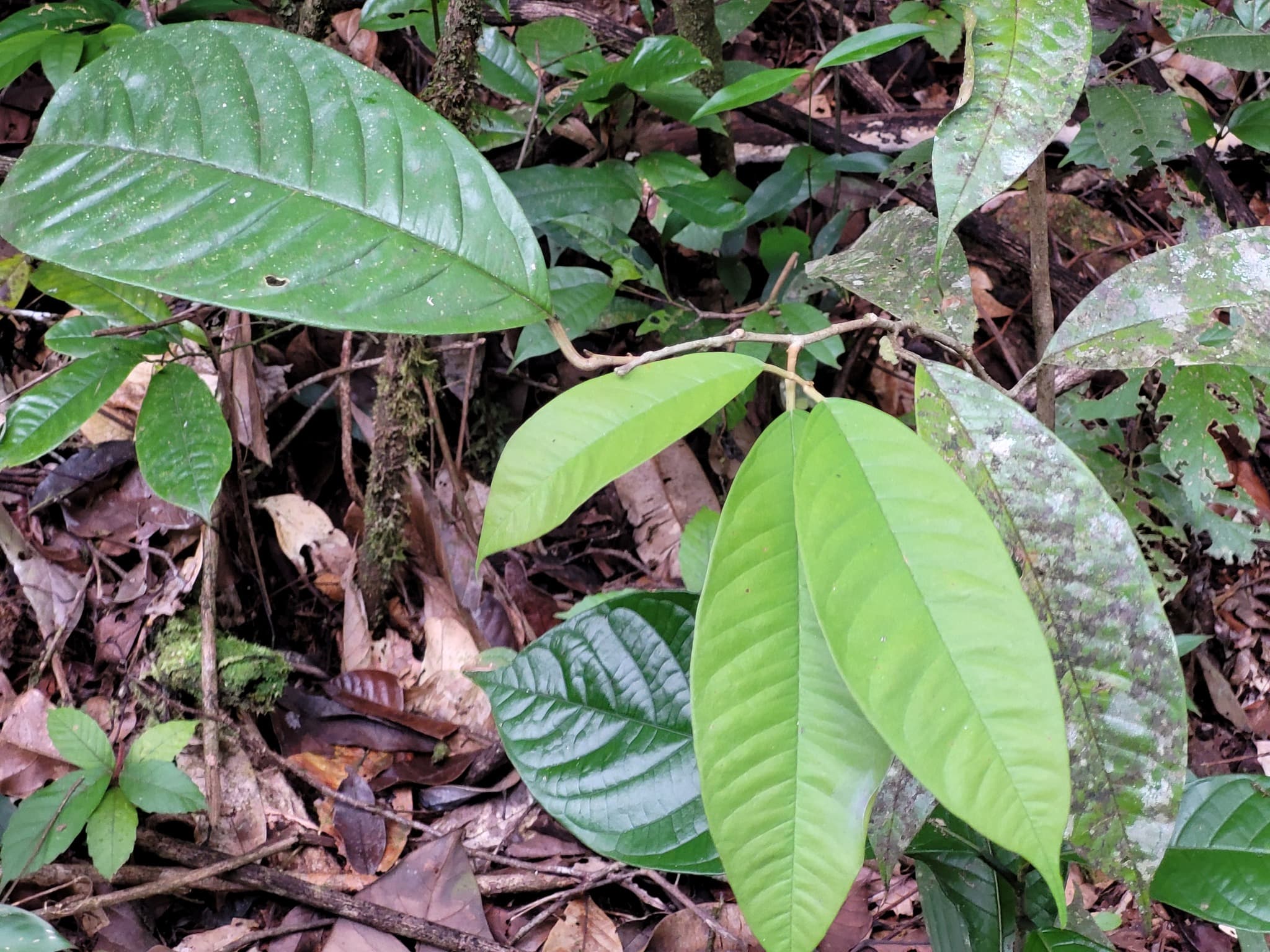
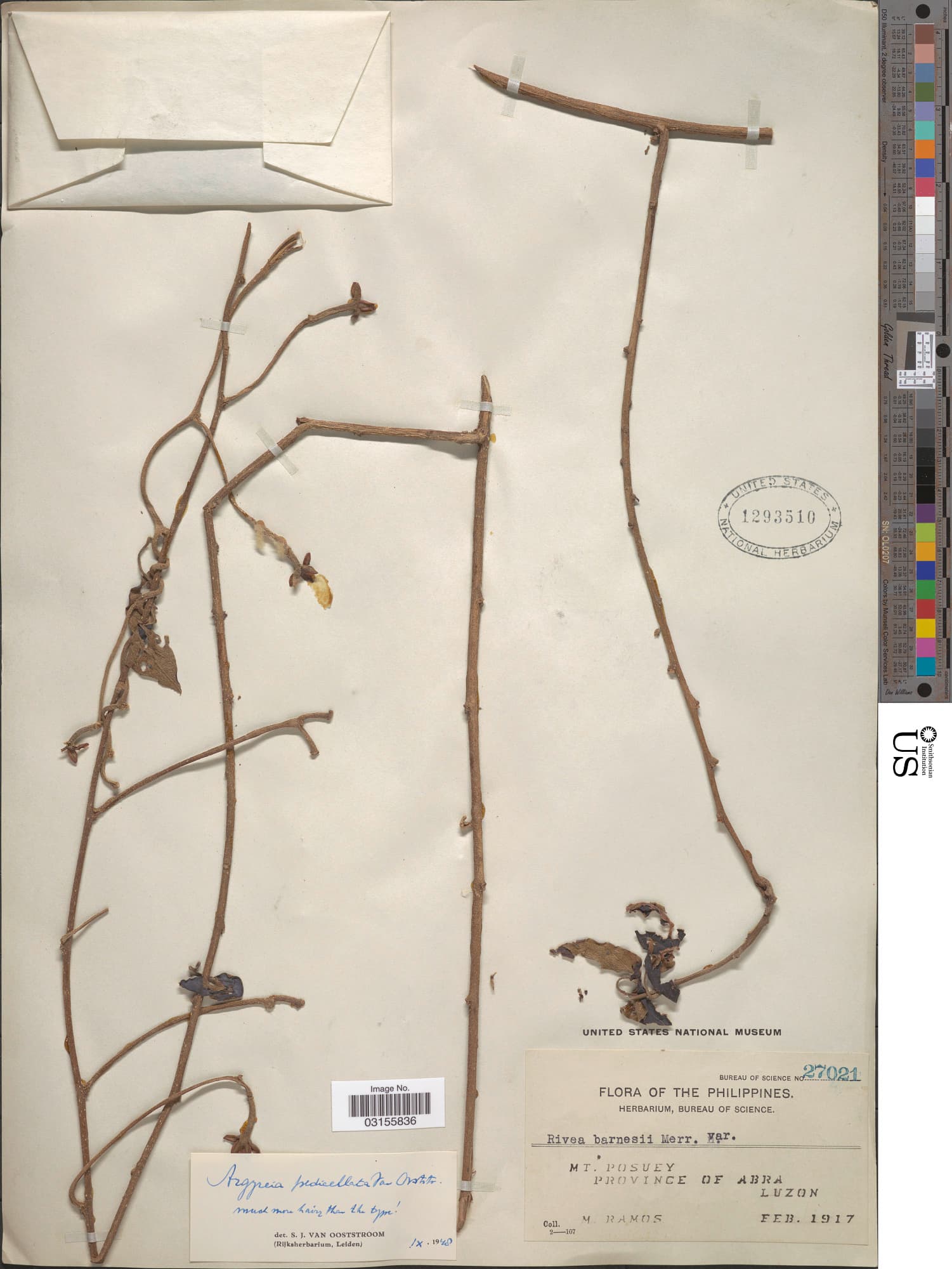
A shrub growing 6-8 feet tall, characterized by greenish-yellow, tubular flowers arranged in terminal or axillary clusters. Its leaves are simple, entire, and typically alternate, common to the Cestrum genus.