Nasa jungiifolia
NameNasa jungiifolia
Scientific NameNasa jungiifolia
Common NamesJungiifolia Loasa, Ortiga Brava Andina
Plant FamilyLoasaceae
Natural HabitatNative to the high-altitude Andean regions of South America, particularly Peru and Bolivia, where it grows in rocky slopes, grasslands, and disturbed areas.
Parts Usedleaf,whole_plant
Medicinal Actionsanti-inflammatory, analgesic
Traditional UsesTraditionally, some *Nasa* (formerly *Loasa*) species, including those with stinging hairs, have been used topically as a counter-irritant for rheumatic pain, arthritis, and muscle aches. The stinging sensation is believed to alleviate deeper pain. Less commonly, some species have been used internally for fevers or as a diuretic, but specific documentation for *Nasa jungiifolia* is limited.
Active ConstituentsFlavonoids, Phenolic compounds, Irritant compounds (in stinging hairs)
Preparation Methodspoultice, infusion
Contraindications & WarningsDirect skin contact can cause significant irritation and stinging due to the glochids (stinging hairs). Internal use should be approached with extreme caution due to limited research and potential toxicity. Not recommended for pregnant or nursing women, or young children.
Cultivation NotesPrefers high-altitude, well-drained, rocky or sandy soils. Requires full sun to partial shade. Can be challenging to cultivate outside its native range due to specific environmental requirements.
Rarityuncommon
Description
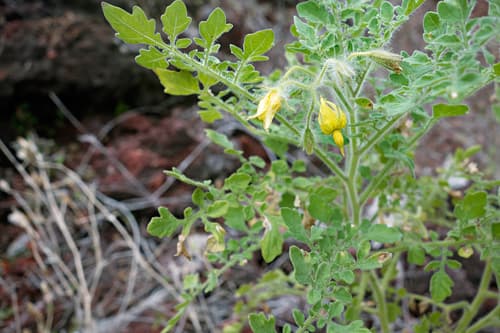
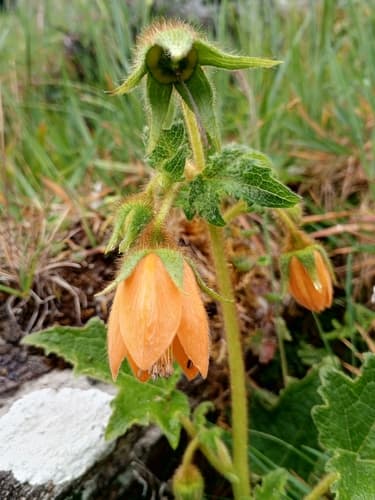
A herbaceous plant characterized by its prominent stinging hairs (glochids) covering stems and leaves. It produces distinctive bell-shaped, orange to yellowish-orange flowers, often solitary or in small clusters, with numerous stamens. Leaves are typically lobed or deeply dissected.