Solanum versicolor
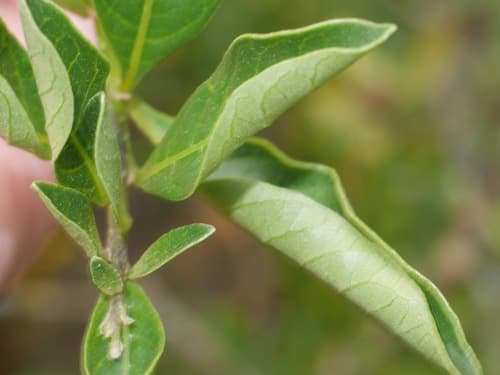
Image: Bean, A.R. (cc-by)
NameSolanum versicolor
Scientific NameSolanum versicolor A.R.Bean
Plant FamilySolanaceae
Natural HabitatNative to Queensland, Australia, typically found in dry sclerophyll forests, woodlands, or shrublands in arid and semi-arid regions.
Parts Usedfruit,leaf
Traditional UsesWhile many Australian Solanum species are traditionally used as food (bush tomatoes) by Indigenous Australians, and some have medicinal applications, specific traditional uses for Solanum versicolor are not widely documented.
Active ConstituentsSteroidal glycoalkaloids (e.g., solanine, solasodine)
Contraindications & WarningsMany species within the Solanum genus contain toxic steroidal glycoalkaloids. Consumption of unripe fruits or other plant parts can cause gastrointestinal upset, neurological symptoms, or be fatal. Caution is advised, and specific edibility or medicinal use for Solanum versicolor must be confirmed before consumption or application. Pregnant or lactating individuals and those with nightshade allergies should avoid.
Cultivation NotesPrefers full sun and well-drained soils. It is generally drought-tolerant once established and suitable for arid and semi-arid climates.
Rarityuncommon
Description
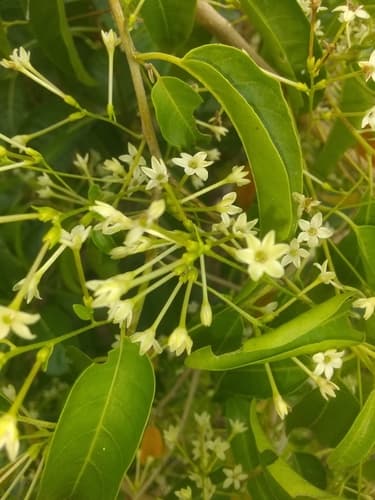
A woody shrub native to Australia, characterized by simple, often hairy leaves and producing berry-like fruits. The specimen shows a mature plant branch with foliage and a single fruit.