Solanum insidiosum
NameSolanum insidiosum
Scientific NameSolanum insidiosum
Common NamesJurubeba
Plant FamilySolanaceae
Natural HabitatNative to tropical and subtropical regions of South America, particularly Brazil, where it grows in disturbed areas, forest edges, and savannas.
Parts Usedleaf,root,fruit
Medicinal Actionsadaptogen, analgesic, anti-inflammatory, antioxidant, carminative, diuretic
Traditional UsesTraditionally used in Brazilian folk medicine, often interchangeably with other 'Jurubeba' species, as a general tonic, for digestive complaints, liver support, fevers, and as an anti-inflammatory. It is also sometimes applied externally for skin conditions.
Active ConstituentsSteroidal glycoalkaloids, Solasodine, Flavonoids, Saponins
Preparation Methodsinfusion, decoction, tincture, powder
Contraindications & WarningsDue to the presence of steroidal glycoalkaloids, it is contraindicated in pregnancy, lactation, and young children. High doses can be toxic, causing gastrointestinal upset, neurological symptoms, and liver damage. Use with caution in individuals with liver disease or those taking medications that affect liver function, and always under expert supervision.
Cultivation NotesThrives in warm, tropical to subtropical climates with full sun to partial shade. Prefers well-drained soil and can tolerate some drought once established. Can be propagated from seed or cuttings.
Rarityuncommon
Description
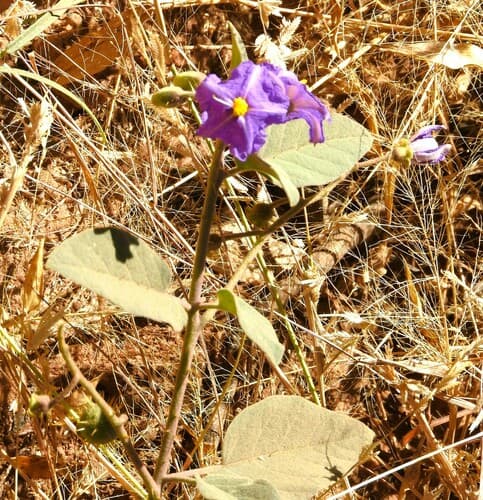
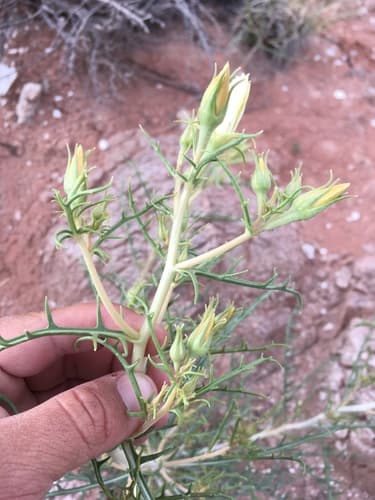
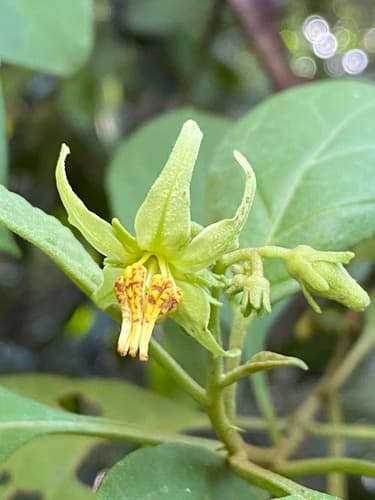
Solanum insidiosum is a thorny shrub or small tree belonging to the nightshade family. It features distinctive greenish-yellow, star-shaped flowers with prominent yellow anthers, as seen in the image, and simple leaves that can be entire or lobed. The plant produces small berries, which are typically green when unripe and may ripen to yellow or orange.