Nasa bicornuta
NameNasa bicornuta
Scientific NameNasa bicornuta
Common NamesStinging Loasa, Andean Stinging Nettle
Plant FamilyLoasaceae
Natural HabitatNative to the high-altitude regions of the Andes in Peru and Bolivia, often found in montane forests, disturbed areas, and rocky slopes.
Parts Usedwhole_plant
Medicinal Actionsanti-inflammatory, analgesic
Traditional UsesWhile specific documentation for *Nasa bicornuta* is scarce, related *Nasa* species and plants with similar stinging properties are traditionally used topically as a counter-irritant to alleviate rheumatic pain, arthritis, or muscle aches by stimulating local circulation and distracting from deeper pain.
Active ConstituentsIrritant compounds in stinging hairs
Preparation Methodspoultice, powder
Contraindications & WarningsDirect contact with stinging hairs can cause significant skin irritation, redness, and pain. Not for internal use. Handle with extreme caution.
Cultivation NotesPrefers cool, moist conditions typical of its Andean montane habitat. Requires well-drained soil and partial shade. Can be challenging to cultivate outside its native range due to specific environmental needs and the presence of stinging hairs.
Rarityuncommon
Description
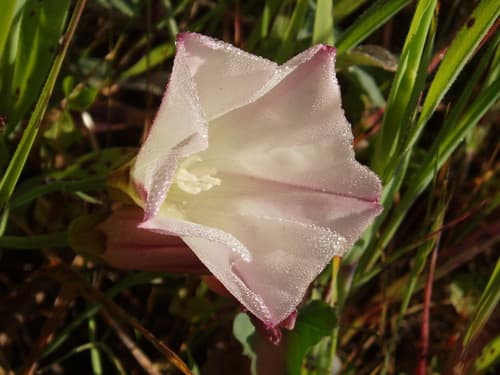
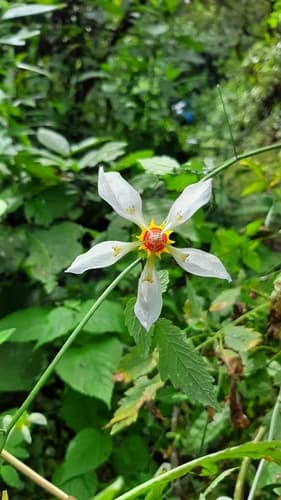
A herbaceous perennial plant characterized by its striking white, five-petaled flowers with a prominent orange and yellow central corona. Its stems and leaves are typically covered in stinging hairs, a hallmark of the genus.