Nasa basilica
NameNasa basilica
Scientific NameNasa basilica
Common NamesAndean Stinging Nettle, Ortiga de la Sierra
Plant FamilyLoasaceae
Natural HabitatNative to the Andean regions of South America, it thrives in moist, disturbed areas, forest edges, clearings, and along roadsides at moderate to high altitudes.
Parts Usedleaf,whole_plant
Medicinal Actionsanalgesic, anti-inflammatory, antimicrobial, diuretic
Traditional UsesTraditionally, various *Nasa* species are used topically as poultices for rheumatic pain, muscle aches, and inflammation due to their counter-irritant properties. Internally, infusions are sometimes used as a diuretic, for fevers, or to treat urinary tract issues, though caution is advised due to stinging hairs and potential toxicity.
Active Constituentsalkaloids, flavonoids, terpenes, irritant compounds
Preparation Methodspoultice, infusion, decoction
Contraindications & WarningsDirect skin contact with the fresh plant can cause severe stinging and irritation due to glandular hairs. Internal use should be approached with extreme caution and under expert guidance due to potential toxicity and lack of extensive safety data. Not recommended for pregnant or breastfeeding women.
Cultivation NotesNot widely cultivated, this plant prefers its natural Andean habitat with well-drained, fertile soil and partial shade to full sun. It is typically found growing wild and can be challenging to cultivate outside its native range.
Raritycommon
Description
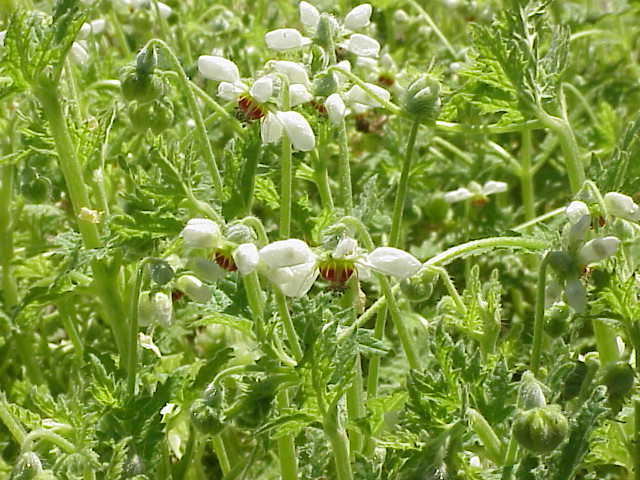
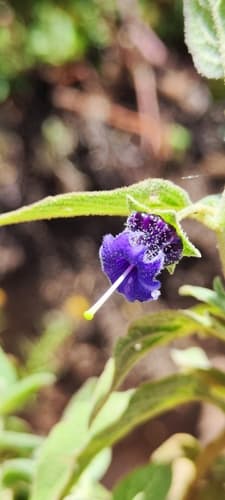
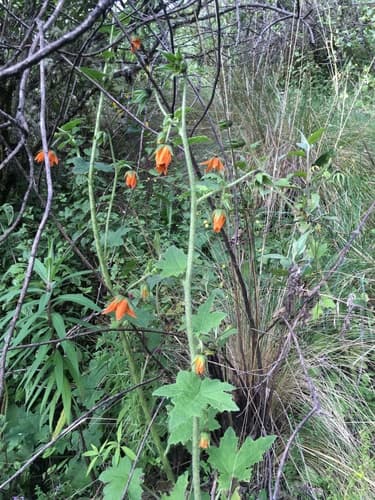
This herbaceous plant features tall, erect stems bearing large, deeply lobed leaves, often covered in stinging hairs. Its distinctive bell-shaped flowers are a vibrant orange-yellow, typically pendulous and solitary or in small clusters from the leaf axils.