Nasa amaluzensis
NameNasa amaluzensis
Scientific NameNasa amaluzensis
Plant FamilyLoasaceae
Natural HabitatThis species is endemic to Ecuador, primarily found in humid montane cloud forests and Andean forest ecosystems. It thrives in shaded, moist environments at higher altitudes.
Parts Usedleaf,flower
Medicinal Actionsanti-inflammatory, analgesic
Traditional UsesSpecific traditional medicinal uses for Nasa amaluzensis are not widely documented. However, other species within the genus Nasa are traditionally used topically for their analgesic and anti-inflammatory properties, often applied as a poultice to alleviate muscle pain, rheumatic conditions, or localized inflammation.
Active Constituentsflavonoids, tannins
Preparation Methodspoultice, infusion
Contraindications & WarningsDirect contact with the plant may cause skin irritation due to potential stinging hairs. Internal use should be approached with extreme caution due to lack of toxicity data and potential for adverse effects. Pregnant or nursing individuals and those with known allergies should avoid use.
Cultivation NotesNasa amaluzensis prefers cool, humid conditions with partial to full shade and rich, well-drained soil. It is likely propagated by seed, requiring consistent moisture and protection from harsh sunlight. Cultivation outside its native habitat may be challenging due to specific environmental requirements.
Rarityrare
Description
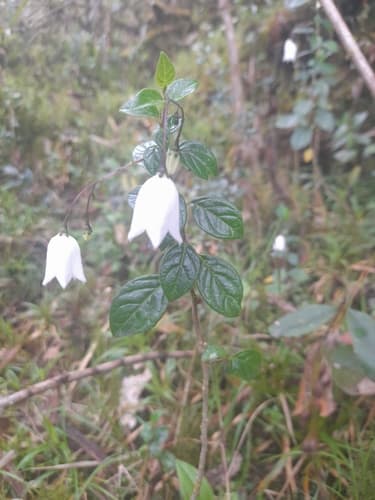
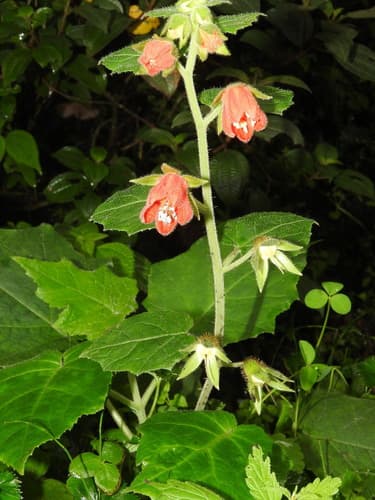
Nasa amaluzensis is a herbaceous plant characterized by its upright, often hairy stem and large, cordate to ovate leaves with serrated margins. It produces striking bell-shaped flowers, typically reddish-orange with prominent white stamens or staminodes, arranged in terminal inflorescences. Like many members of its family, it may possess stinging hairs.