Myrrh
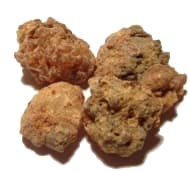
Image: derivative work: Photohound (talk) IncenseWikiVers.jpg: Transferred from en.wikipedia to Commons by Trengarasu using CommonsHelper. The original uploader was Sjschen at English Wikipedia. (CC BY-SA 3.0)
NameMyrrh
Scientific NameCommiphora myrrha
Common NamesMyrrh, Somalian Myrrh, Hirabol Myrrh
Plant FamilyBurseraceae
Natural HabitatNative to arid and semi-arid regions of Northeast Africa (e.g., Somalia, Ethiopia) and the Arabian Peninsula (e.g., Yemen, Oman). It thrives in rocky, well-drained soils and desert scrubland.
Parts Usedbark
Medicinal Actionsantimicrobial, anti-inflammatory, astringent, expectorant, analgesic, antioxidant
Traditional UsesMyrrh has been traditionally used for its antiseptic and anti-inflammatory properties, particularly for oral health (mouthwashes for gum disease, sore throats), wound healing, and skin infections. Internally, it has been used as an expectorant for respiratory conditions and to support digestive health.
Active Constituentsfuranosesquiterpenes, sesquiterpenes, triterpenes, gums, resins, essential oils
Preparation Methodstincture, poultice, essential oil, powder, salve
Contraindications & WarningsMyrrh should be avoided during pregnancy and lactation due to potential uterine stimulant effects. High doses may cause stomach upset. It may interact with certain medications, including anticoagulants and antidiabetic drugs.
Cultivation NotesMyrrh trees prefer hot, dry climates with well-drained, sandy or rocky soil. They are drought-tolerant and require minimal water once established. Propagation is typically from seeds or cuttings.
Raritycommon
Description
Commiphora myrrha is a thorny shrub or small tree, typically growing up to 5 meters tall, with a gnarled trunk and sparse foliage. The medicinal part is the reddish-brown oleo-gum-resin that exudes naturally or from incisions in the bark, hardening into irregular tears.