Mukoro Mbosi
NameMukoro Mbosi
Scientific NameAnthocleista djalonensis
Common NamesMukoro Mbosi, Cabbage Tree
Plant FamilyGentianaceae
Natural HabitatNative to tropical and subtropical regions of West and Central Africa, it is commonly found in secondary forests, forest margins, and disturbed areas.
Parts Usedbark,leaf,root
Medicinal Actionsanalgesic, anti-inflammatory, antimicrobial, antioxidant, astringent
Traditional UsesTraditionally, Mukoro Mbosi is used in African folk medicine to treat a variety of ailments. The bark and leaves are commonly employed for fever, malaria, pain relief, inflammation, gastrointestinal issues, and skin infections. It is also valued for its purgative properties and in the management of diabetes.
Active Constituentsalkaloids, iridoids, triterpenes, saponins, tannins, flavonoids, phenolic compounds
Preparation Methodsinfusion, decoction, powder
Contraindications & WarningsSpecific contraindications are not widely documented, but as with many potent medicinal plants, large doses may cause gastrointestinal upset. Pregnant women, nursing mothers, and young children should avoid use without professional medical advice.
Cultivation NotesThis plant thrives in tropical climates with well-drained soil and can tolerate partial shade. It can be propagated from seeds or stem cuttings.
Raritycommon
Description
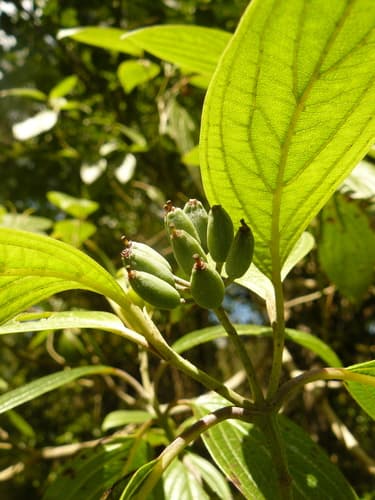
Mukoro Mbosi is a medium-sized tree or shrub characterized by large, simple, opposite leaves with prominent venation. It produces clusters of small, green, ovoid fruits that mature into berries.