Mugwort
Image: Eduard Garin (cc-by-nc)
NameMugwort
Scientific NameArtemisia vulgaris
Common NamesMugwort, Common Mugwort, Riverside Wormwood, Felon Herb, St. John's Plant
Plant FamilyAsteraceae
Natural HabitatMugwort is a ubiquitous weed found in disturbed soils, roadsides, waste places, fields, and along riverbanks. It thrives in temperate regions across Europe, Asia, and North America, preferring full sun to partial shade.
Parts Usedleaf,flower,root,whole_plant
Medicinal Actionsanalgesic, anti-inflammatory, antimicrobial, carminative, diuretic, nervine, sedative
Traditional UsesTraditionally, Mugwort has been used to aid digestion, relieve menstrual discomfort, and regulate menstrual cycles due to its emmenagogue properties. It is also valued as a nervine to calm anxiety, promote relaxation, and enhance vivid dreaming. Externally, it has been applied in poultices for pain and inflammation, and is a key herb in moxibustion practices for its warming effects.
Active ConstituentsThujone, Cineole, Camphor, Flavonoids, Coumarins, Sesquiterpene lactones
Preparation Methodsinfusion, decoction, tincture, poultice, essential oil, powder
Contraindications & WarningsMugwort is contraindicated during pregnancy due to its emmenagogue properties, which may stimulate uterine contractions. Individuals with allergies to plants in the Asteraceae family (e.g., ragweed, daisies) should use it with caution. The essential oil, containing thujone, can be toxic in high doses and should be used externally with extreme care.
Cultivation NotesMugwort is a very hardy and vigorous plant that can be easily propagated from seed or root divisions. It prefers full sun to partial shade and well-drained soil, tolerating a wide range of soil types. Due to its invasive potential, it is often recommended to plant it in containers or areas where its spread can be controlled.
Raritycommon
Description
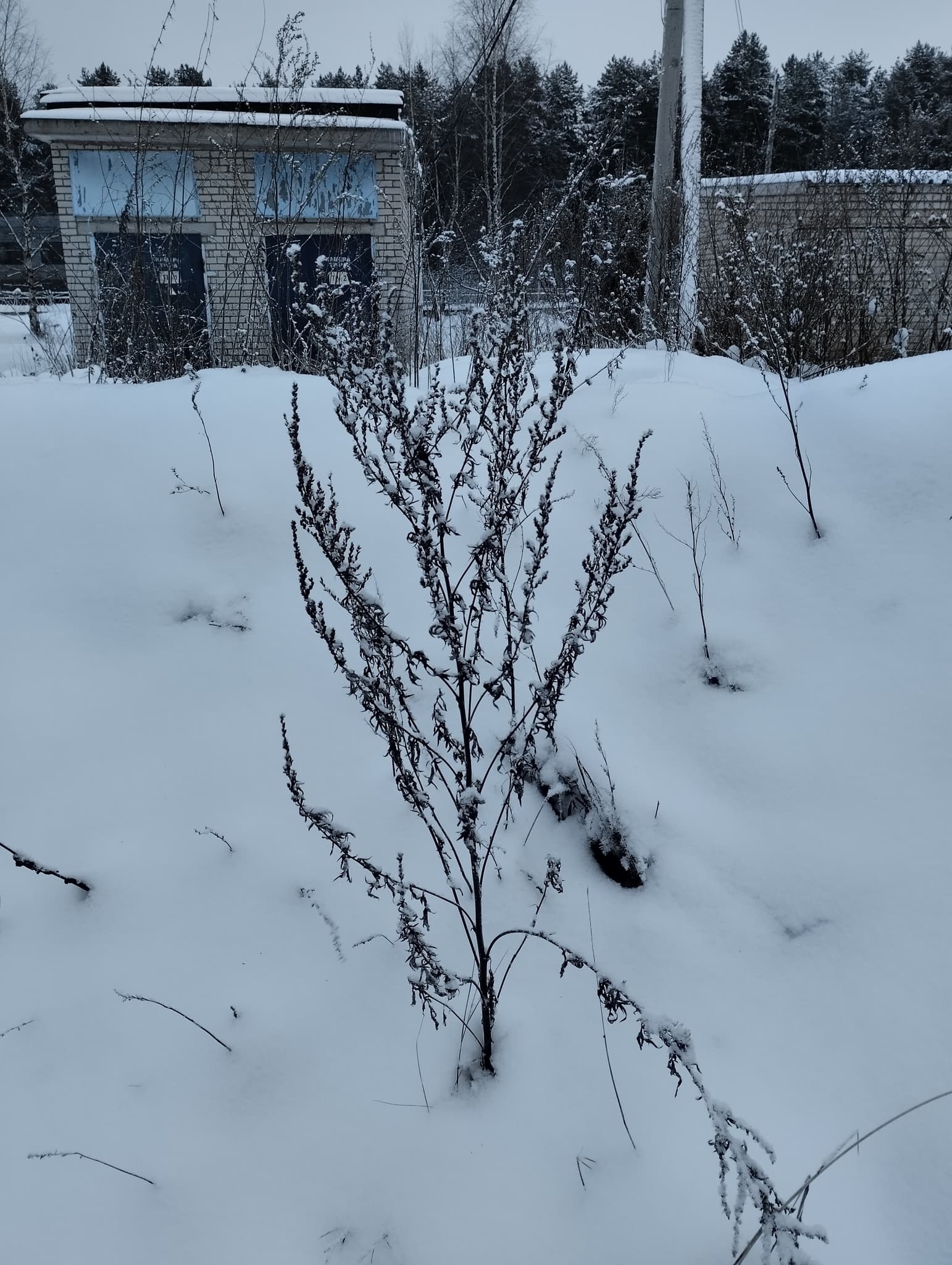
Artemisia vulgaris is a tall, herbaceous perennial plant, often growing up to 1-2 meters, characterized by deeply lobed, dark green leaves that are silvery-white and downy on the underside. It produces small, inconspicuous reddish-brown or yellowish flower heads in dense, leafy panicles, and emits a distinctive aromatic scent.