Mugwort
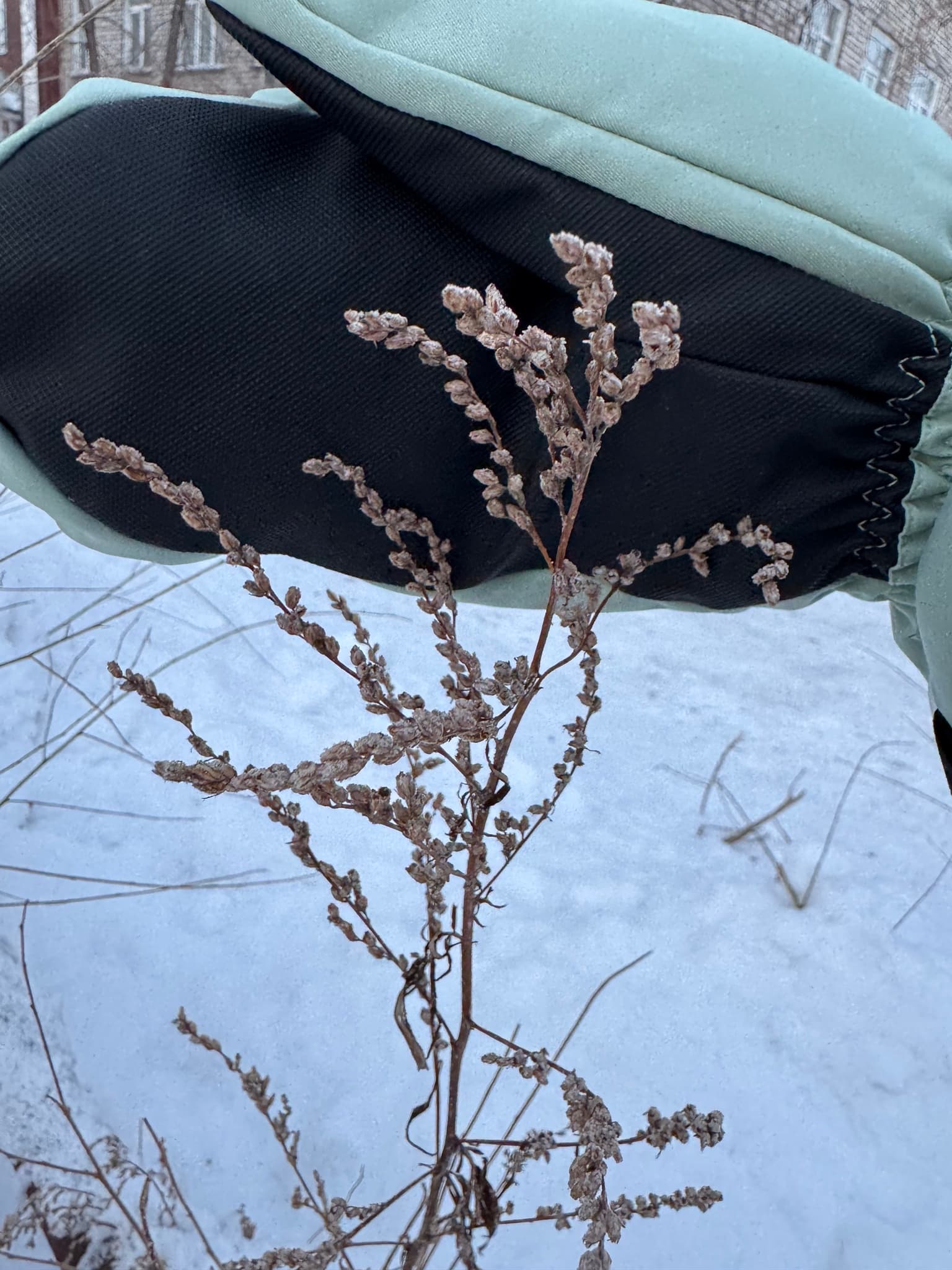
Image: Anastasiia Merkulova (cc-by-nc)
NameMugwort
Scientific NameArtemisia vulgaris
Common NamesMugwort, Common Mugwort, Riverside Wormwood, Felon Herb, St. John's Plant
Plant FamilyAsteraceae
Natural HabitatNative to temperate regions of Europe, Asia, and northern Africa, Mugwort is now naturalized worldwide. It commonly thrives in disturbed soils, roadsides, waste places, fields, and along riverbanks.
Parts Usedleaf,flower,root
Medicinal Actionsanti-inflammatory, carminative, nervine, sedative
Traditional UsesTraditionally, Mugwort has been used to aid digestion, stimulate appetite, and relieve menstrual discomfort due to its emmenagogue properties. It is also valued as a nervine to calm nerves, promote relaxation, and support restful sleep. Topically, it has been applied for pain relief and in moxibustion practices.
Active ConstituentsThujone, Cineole, Camphor, Flavonoids, Coumarins, Sesquiterpene lactones
Preparation Methodsinfusion, decoction, tincture, poultice, powder
Contraindications & WarningsMugwort should be avoided during pregnancy due to its potential to stimulate uterine contractions. Individuals with allergies to the Asteraceae family (e.g., ragweed) may experience allergic reactions. High doses, particularly of essential oil, can be toxic due to thujone content.
Cultivation NotesMugwort is easily grown from seed or root divisions in well-drained soil, tolerating a range of soil conditions from poor to rich. It prefers full sun to partial shade and can become invasive if not managed, spreading readily through rhizomes.
Raritycommon
Description
A tall, herbaceous perennial plant, Mugwort typically features deeply lobed, dark green leaves that are silvery-white and downy underneath. It produces small, reddish-brown or yellowish flower heads arranged in panicles, blooming in late summer. The plant is known for its distinctive aromatic scent.