Moxosense Nightshade
NameMoxosense Nightshade
Scientific NameSolanum moxosense
Common NamesMoxosense Nightshade
Plant FamilySolanaceae
Natural HabitatNative to the Moxos plains of Bolivia, it typically grows in open, disturbed areas, grasslands, and forest edges in tropical or subtropical climates. It prefers well-drained soils and sunny locations.
Parts Usedfruit,leaf
Medicinal Actionsanti-inflammatory, antimicrobial, analgesic
Traditional UsesSpecific traditional uses for Solanum moxosense are not well-documented. However, other Solanum species are traditionally used for treating skin conditions, pain, and inflammation, often through external applications. Due to potential toxicity, internal use is rare and requires extreme caution.
Active Constituentssteroidal glycoalkaloids (e.g., solanine, solamargine, solasodine), alkaloids, saponins, flavonoids
Preparation Methodsdecoction, poultice, powder
Contraindications & WarningsAll parts of Solanum moxosense should be considered potentially toxic due to the presence of steroidal glycoalkaloids, which can cause severe gastrointestinal upset, neurological symptoms, and be fatal in large doses. It is contraindicated in pregnancy, lactation, and for individuals with liver or kidney conditions. Consult a healthcare professional before any use.
Cultivation NotesAs a wild species from Bolivia, it thrives in tropical to subtropical climates with full sun and well-drained, fertile soil. Propagation is typically by seed. Specific cultivation details are not widely documented for this particular species.
Rarityuncommon
Description
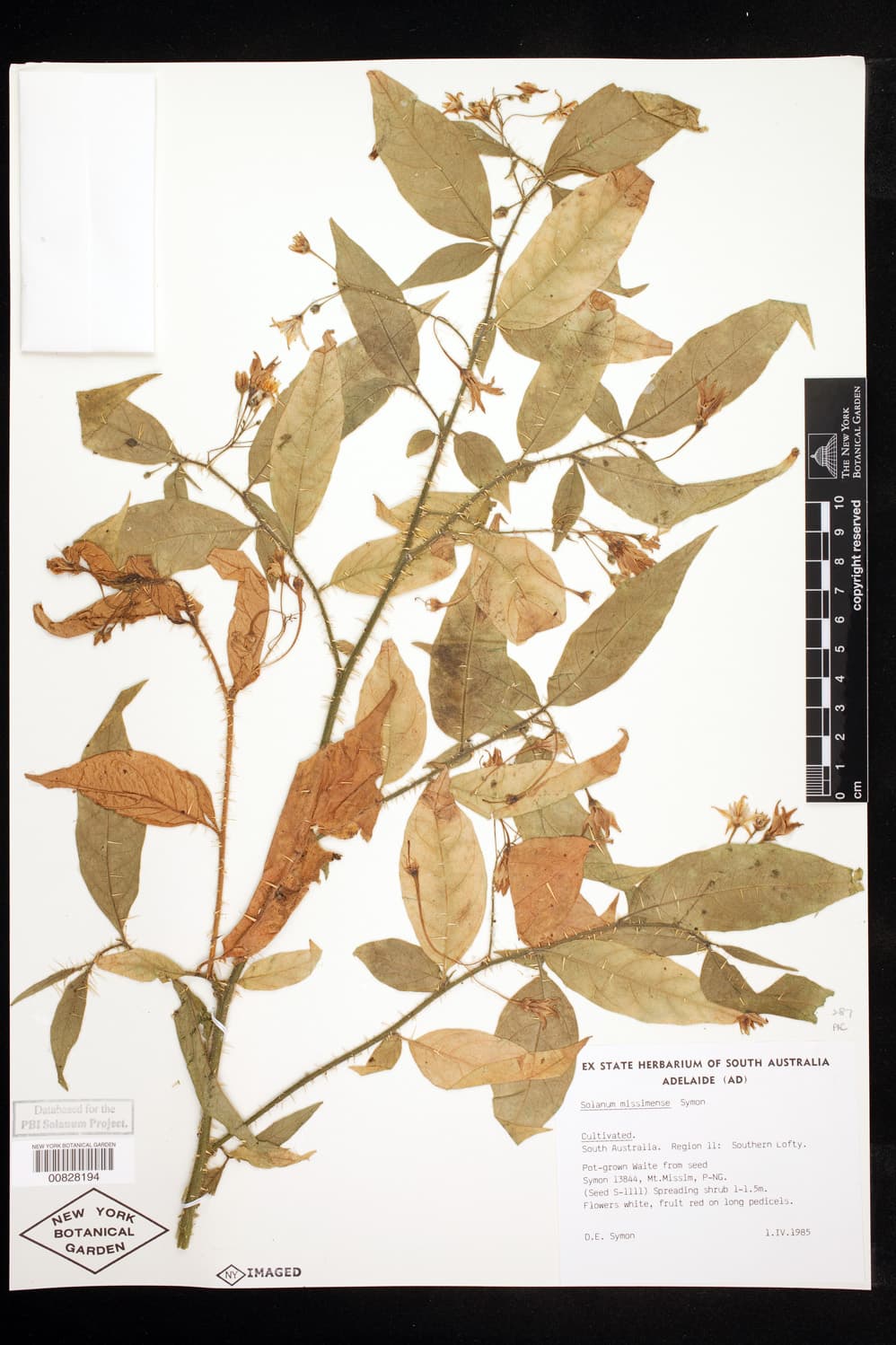
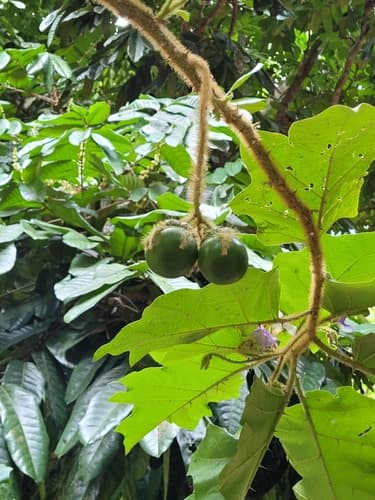
This herbaceous plant features characteristic white, star-shaped flowers with five petals and prominent yellow anthers fused into a cone around the central pistil. The leaves, partially visible, appear somewhat lobed or toothed, and the plant likely produces small berries typical of the Solanum genus.