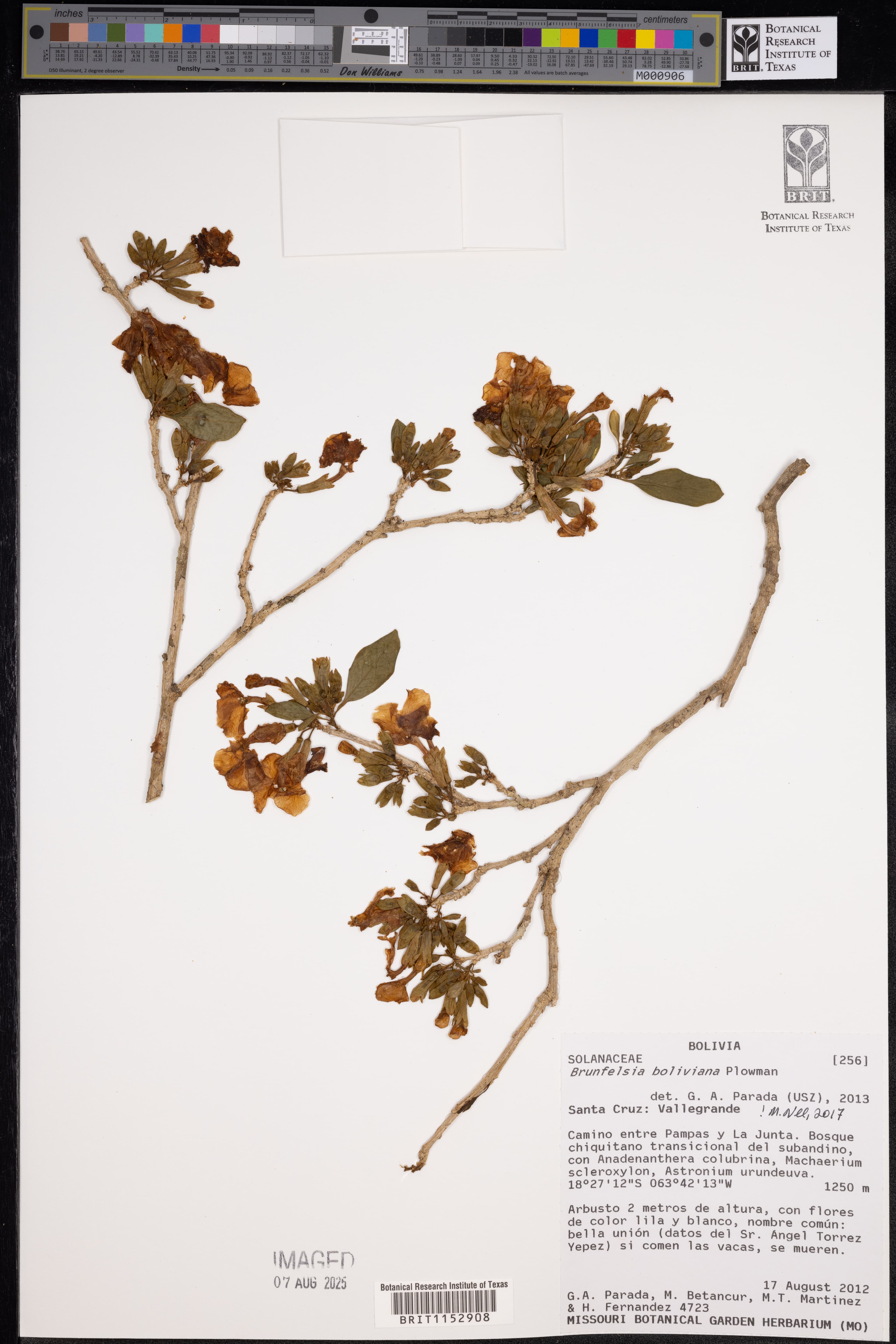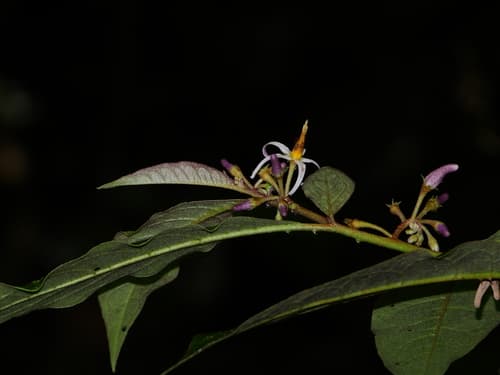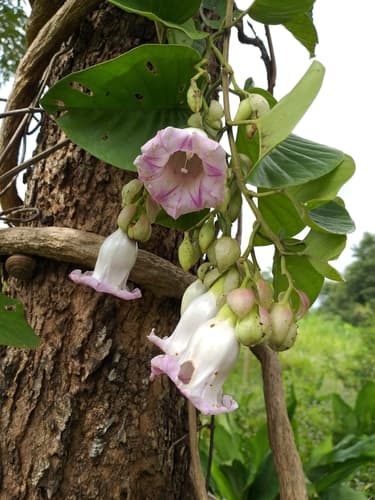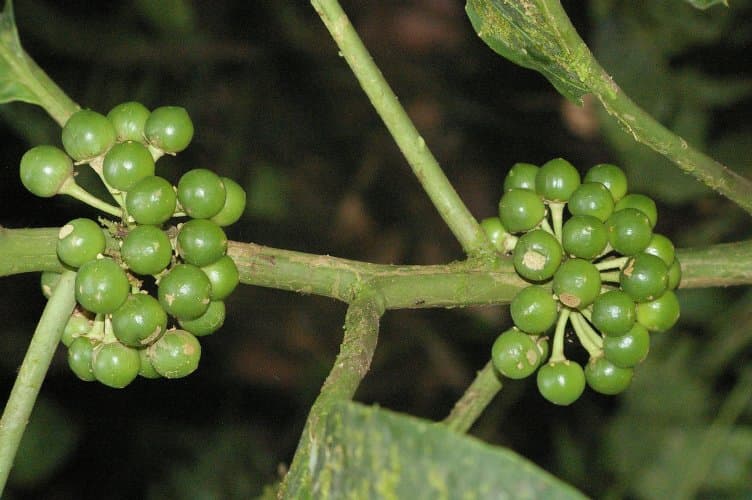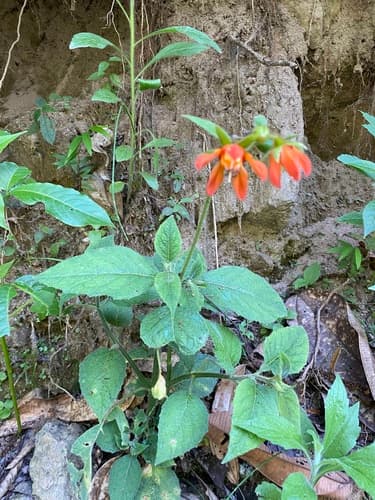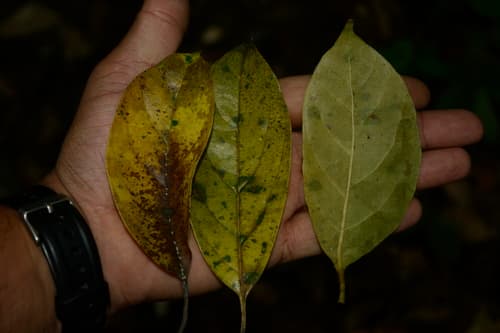
Mastixia arborea
NameMastixia arborea
Scientific NameMastixia arborea
Common NamesMastixia tree
Plant FamilyCornaceae
Natural HabitatFound in tropical and subtropical evergreen or semi-evergreen forests across Southeast Asia, including regions of India, Sri Lanka, Myanmar, Thailand, Malaysia, and Indonesia.
Parts Usedleaf,bark,fruit
Medicinal Actionsantioxidant, anti-inflammatory, antimicrobial, astringent
Traditional UsesTraditionally, various parts of Mastixia species, including M. arborea, have been used in indigenous medicine for treating fevers, skin ailments, and as an astringent. The bark and leaves are often employed for their purported anti-inflammatory and antimicrobial properties in local remedies.
Active ConstituentsTriterpenoids, Flavonoids, Phenolic compounds
Preparation Methodsinfusion, decoction, poultice
Contraindications & WarningsSpecific contraindications for Mastixia arborea are not well-documented in standard herbal literature. Caution is advised for pregnant or nursing individuals, and those with pre-existing medical conditions or taking medications, due to limited research on human safety.
Cultivation NotesRequires a tropical or subtropical climate with high humidity and well-drained, fertile soil. Prefers partial shade to full sun and is typically propagated by seed, requiring consistent moisture for establishment.
Rarityuncommon
Description
Mastixia arborea is an evergreen tree native to tropical Asia, characterized by its simple, alternate, leathery leaves with distinct venation. It produces small, inconspicuous flowers that develop into drupaceous fruits.