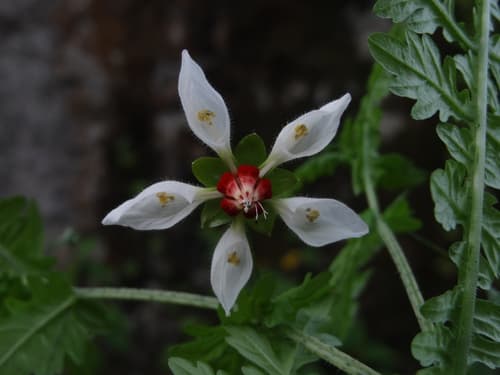
Marsh Sillyberry
NameMarsh Sillyberry
Scientific NameErica palustris
Common NamesMarsh Sillyberry, Bog Heath, White-tipped Bog Shrub
Plant FamilyEricaceae
Natural HabitatMarshy areas, bogs, and acidic wetlands, often found in temperate to subarctic regions where it forms dense mats or low thickets.
Parts Usedleaf,flower
Medicinal Actionsanti-inflammatory, antimicrobial, diuretic, antioxidant
Traditional UsesTraditionally used by indigenous peoples of wetland regions to treat urinary tract infections and bladder discomfort due to its diuretic and antimicrobial properties. Infusions of the leaves and flowering tops were also consumed to reduce general inflammation and as a tonic for overall well-being, particularly during seasonal changes.
Active ConstituentsFlavonoids, phenolic acids, arbutin, trace volatile oils
Preparation Methodsinfusion, decoction, tincture, poultice
Contraindications & WarningsNot recommended for pregnant or breastfeeding women. May interact with diuretic medications or blood thinners. High doses can cause gastrointestinal upset or kidney irritation in sensitive individuals.
Cultivation NotesPrefers highly acidic, moist to wet soil conditions and thrives in full sun to partial shade. Propagates well from semi-hardwood cuttings or seed. Requires consistent moisture and is sensitive to alkaline soils, often benefiting from peat moss or pine bark amendments.
Rarityuncommon
Description
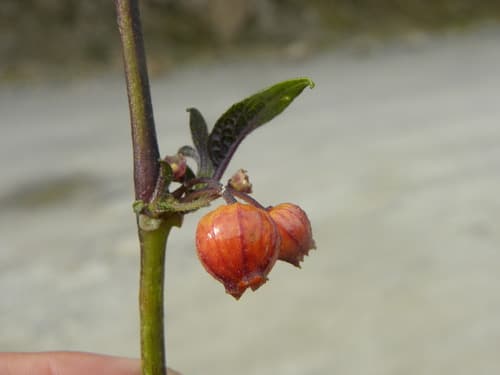
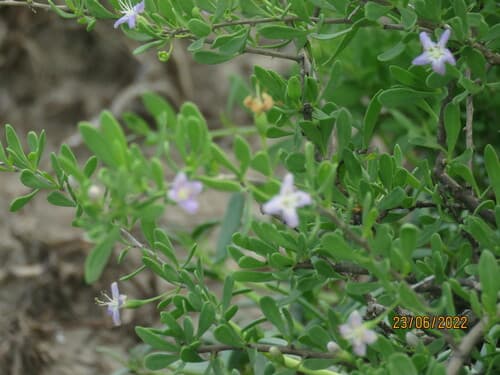
A low-growing, evergreen shrub characterized by dense clusters of small, needle-like leaves arranged spirally along its stems. Its branches are adorned with numerous tiny, white-tipped flower buds that emerge from reddish-brown bracts, giving it a distinctive speckled appearance before blooming.