Marriage Vine
NameMarriage Vine
Scientific NameSolanum laxum
Common NamesMarriage Vine, Potato Vine, Jasmine Nightshade, Chilean Potato Vine
Plant FamilySolanaceae
Natural HabitatNative to South America, particularly Brazil, Paraguay, Uruguay, and Argentina, it thrives in temperate to subtropical climates. It is often found in woodlands, forest edges, and disturbed areas.
Parts Usedwhole_plant
Medicinal Actionsanti-inflammatory, antimicrobial, antioxidant
Traditional UsesWhile some species within the Solanum genus have traditional medicinal applications, specific well-documented traditional uses for *Solanum laxum* (Marriage Vine) are not widely recognized in mainstream herbalism. Many *Solanum* species are considered toxic and should be used with extreme caution, if at all, for medicinal purposes.
Active Constituentssteroidal glycoalkaloids, solanine, solasodine, flavonoids, saponins
Preparation Methodspoultice, salve
Contraindications & WarningsDue to the presence of steroidal glycoalkaloids, *Solanum laxum* is generally considered toxic if ingested and should not be consumed internally. Ingestion can lead to gastrointestinal upset, neurological symptoms, and other adverse effects. Skin contact may cause irritation in sensitive individuals. Pregnant and breastfeeding women, children, and individuals with liver or kidney conditions should avoid any use.
Cultivation NotesThis plant is a popular ornamental vine that prefers full sun to partial shade and well-drained soil. It is relatively drought-tolerant once established and can tolerate light frosts. It grows rapidly and benefits from pruning to maintain its desired shape and size.
Raritycommon
Description
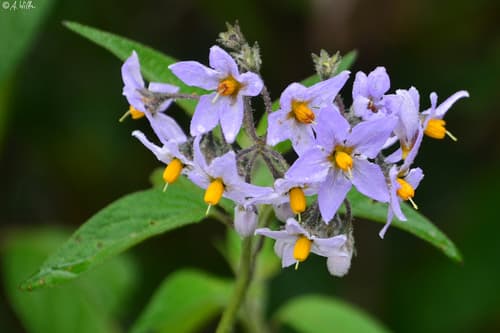
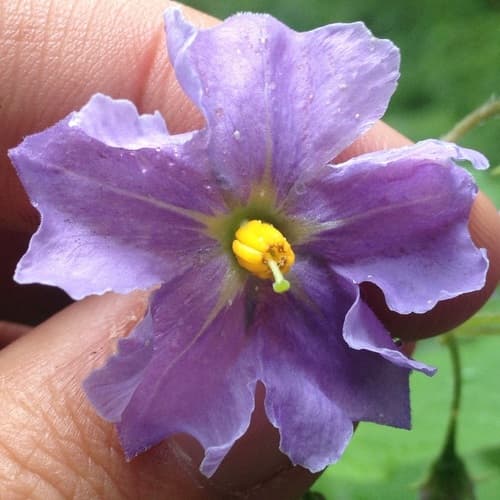
A vigorous, semi-evergreen to evergreen climbing vine or sprawling shrub, producing abundant clusters of star-shaped, five-petaled flowers that range from pale lavender to deep purple, often with prominent yellow anthers. Its simple, ovate leaves are typically bright green.