Solanum verrucosum
NameSolanum verrucosum
Scientific NameSolanum verrucosum
Common NamesWarty Nightshade, Mexican Nightshade
Plant FamilySolanaceae
Natural HabitatNative to montane regions of Mexico and Central America, it is commonly found in disturbed areas, forest edges, and along roadsides at moderate to high elevations.
Parts Usedleaf,fruit
Medicinal Actionsanalgesic, anti-inflammatory, antimicrobial
Traditional UsesSpecific traditional medicinal uses for Solanum verrucosum are not widely documented. However, other Solanum species, despite their toxicity, have been traditionally used externally for skin conditions, pain relief, or internally in highly controlled, small doses for inflammatory conditions, often due to their glycoalkaloid content. Any use of this plant should be approached with extreme caution due to its potential toxicity.
Active Constituentssteroidal glycoalkaloids, solanine, chaconine
Preparation Methodspoultice, decoction
Contraindications & WarningsAll parts of Solanum verrucosum, especially unripe fruits, leaves, and stems, are considered toxic due to the presence of glycoalkaloids. Internal use is highly discouraged and potentially dangerous. Contraindicated for pregnant or nursing women, children, and individuals with liver or kidney conditions. Consult a qualified expert before any use.
Cultivation NotesThis plant prefers well-drained soil and can thrive in full sun to partial shade. It can be propagated from seed and tolerates some drought once established. It is often studied as a wild relative of the potato.
Rarityuncommon
Description
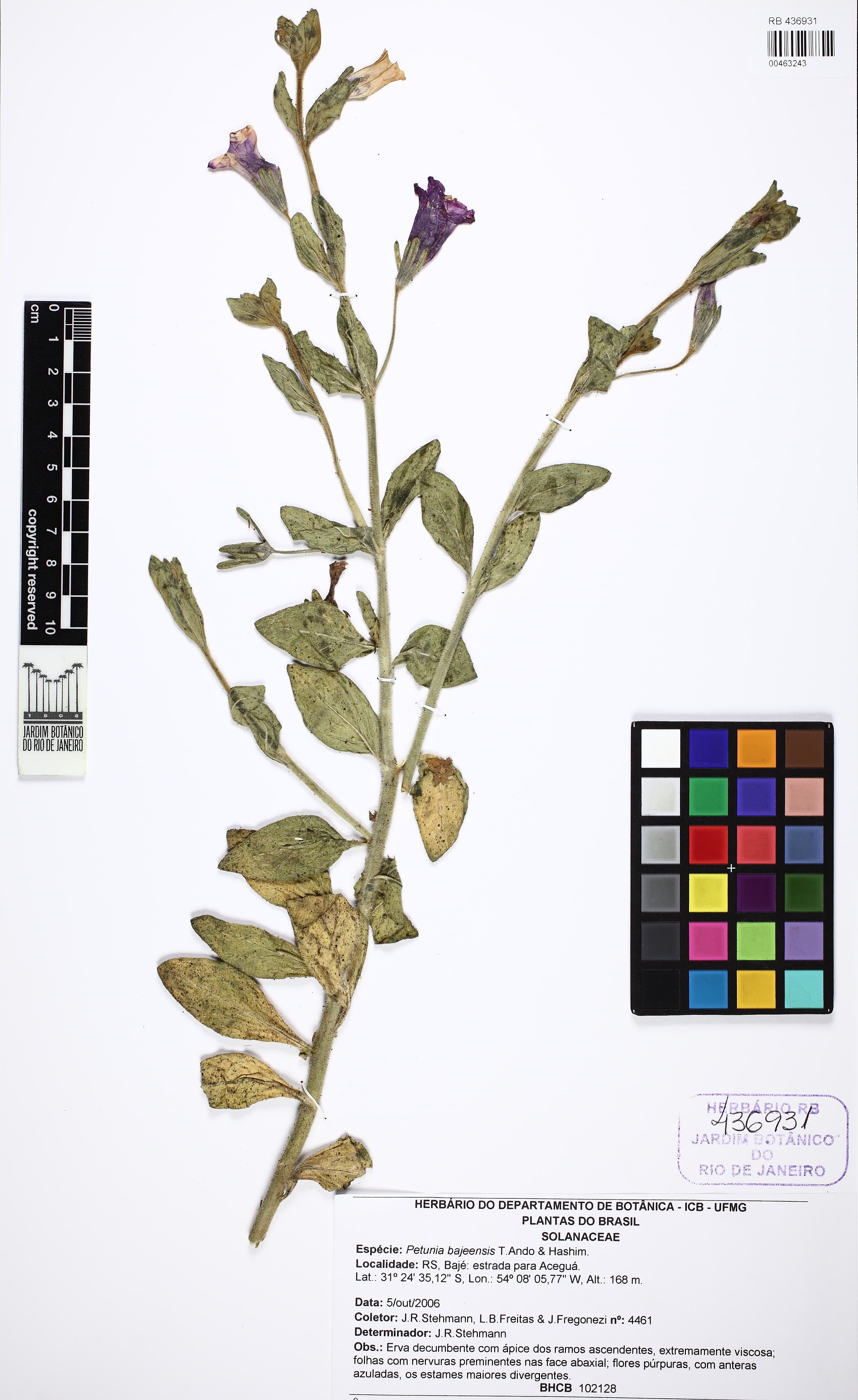
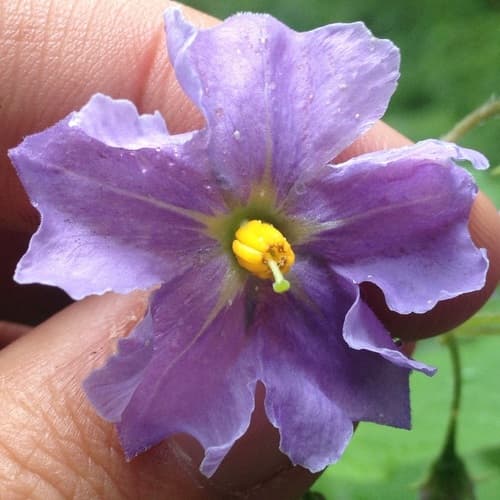
Solanum verrucosum is a herbaceous plant or small shrub, characterized by its vibrant purple, star-shaped flowers with prominent yellow anthers, typical of the nightshade family. The plant often features warty or glandular hairs on its stems and leaves, and produces small, typically green or purplish berries.