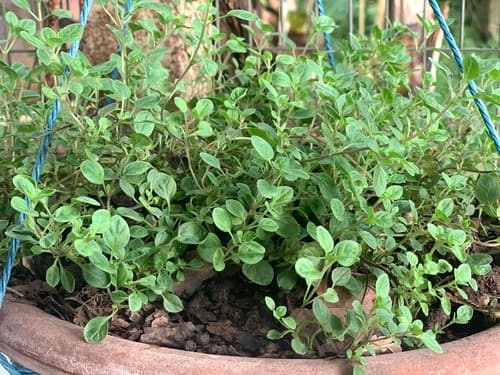
Marjoram
NameMarjoram
Scientific NameOriganum majorana
Common NamesMarjoram, Sweet Marjoram, Knotted Marjoram
Plant FamilyLamiaceae
Natural HabitatNative to the Mediterranean region, North Africa, and Southwest Asia, Marjoram thrives in warm, sunny, well-drained environments. It is typically found on dry, rocky slopes and is widely cultivated globally.
Parts Usedleaf,flower
Medicinal Actionsanalgesic, anti-inflammatory, antimicrobial, antioxidant, carminative, nervine, sedative
Traditional UsesTraditionally, Marjoram has been used to aid digestion, relieve headaches, soothe coughs and colds, and reduce muscle pain. It is also valued for its calming properties, helping to alleviate nervous tension and promote sleep, and can be applied topically for sprains and bruises.
Active ConstituentsSabinene, Terpinene, Cymene, Carvacrol, Thymol, Flavonoids, Tannins
Preparation Methodsinfusion, essential oil, tincture, poultice, salve
Contraindications & WarningsGenerally safe in culinary amounts. High doses of Marjoram essential oil should be avoided, especially during pregnancy. It may interact with blood-thinning medications due to its coumarin content.
Cultivation NotesMarjoram prefers full sun and well-drained soil. It can be grown from seed or cuttings and is sensitive to frost, often cultivated as an annual in temperate climates. Requires moderate watering and benefits from regular harvesting to encourage bushy growth.
Raritycommon
Description
Marjoram is a tender perennial herb, often grown as an annual, forming a bushy mound of small, oval, aromatic, grayish-green leaves on slender stems. It produces tiny white or pinkish flowers in knot-like clusters, which are also aromatic and used medicinally.