Convolvulus lanuginosus
NameConvolvulus lanuginosus
Scientific NameConvolvulus lanuginosus
Common NamesWoolly Bindweed, Hairy Bindweed
Plant FamilyConvolvulaceae
Natural HabitatNative to the Mediterranean region, including North Africa and the Middle East, growing in dry, rocky, sandy, or disturbed areas such as garrigue, steppe, and desert margins.
Parts Usedwhole_plant
Traditional UsesSpecific traditional medicinal uses for Convolvulus lanuginosus are not widely documented in mainstream herbalism. However, other species within the Convolvulus genus have historically been used as strong purgatives for constipation, though often with associated toxicity.
Active ConstituentsResin glycosides, Flavonoids
Preparation Methodspowder, decoction
Contraindications & WarningsDue to the presence of resin glycosides, internal use of Convolvulus species can cause severe gastrointestinal upset, vomiting, and diarrhea. It is generally considered toxic and should be avoided, especially by pregnant women, children, and individuals with gastrointestinal issues or during pregnancy and lactation.
Cultivation NotesThis plant thrives in full sun and requires well-drained, poor to moderately fertile soil. It is highly drought-tolerant once established and is well-suited to arid or semi-arid climates.
Raritycommon
Description
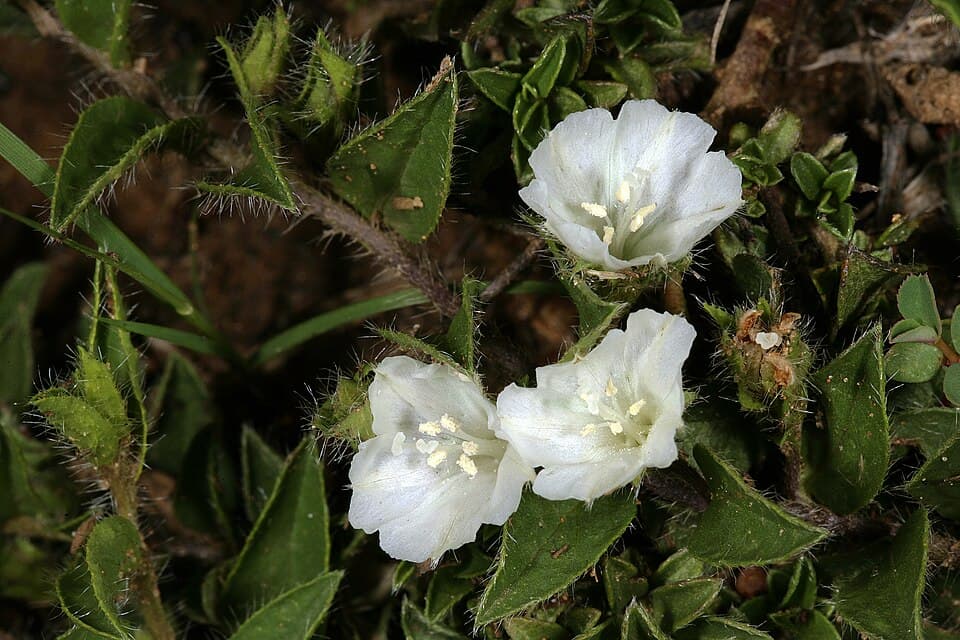
Convolvulus lanuginosus is a perennial herbaceous plant characterized by its densely woolly or hairy stems and leaves, giving it a grayish appearance. It produces numerous small, white to pale pink, funnel-shaped flowers, typically solitary or in small clusters in the leaf axils.