Indian Birthwort
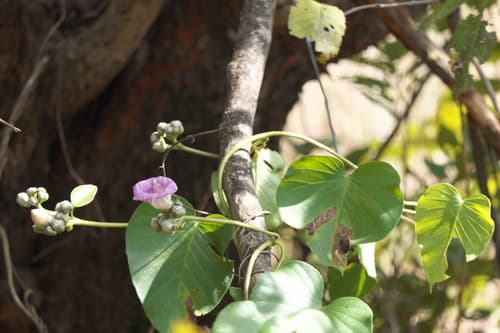
Image: Sneha Elango (cc-by-nc)
NameIndian Birthwort
Scientific NameAristolochia indica
Common NamesIndian Birthwort, Dutchman's Pipe, Snakeroot
Plant FamilyAristolochiaceae
Natural HabitatTypically found in tropical and subtropical regions, growing in forests, scrublands, and along riverbanks. It thrives in warm, humid environments.
Parts Usedroot,leaf,whole_plant
Medicinal Actionsanti-inflammatory, diuretic
Traditional UsesHistorically, *Aristolochia indica* has been used in traditional medicine systems, such as Ayurveda, for treating snakebites, skin diseases, and fever. It was also traditionally employed as an emmenagogue and to induce labor, hence the common name 'birthwort'. However, modern medical consensus strongly advises against any internal use due to severe toxicity.
Active ConstituentsAristolochic acids, Aristolactams, Lignans
Preparation Methodsdecoction, powder
Contraindications & WarningsSevere contraindications include pregnancy, kidney disease, and liver disease, as the plant contains highly nephrotoxic and carcinogenic aristolochic acids. Any internal use is strongly discouraged due to the risk of irreversible kidney damage and cancer. It interacts with numerous drugs.
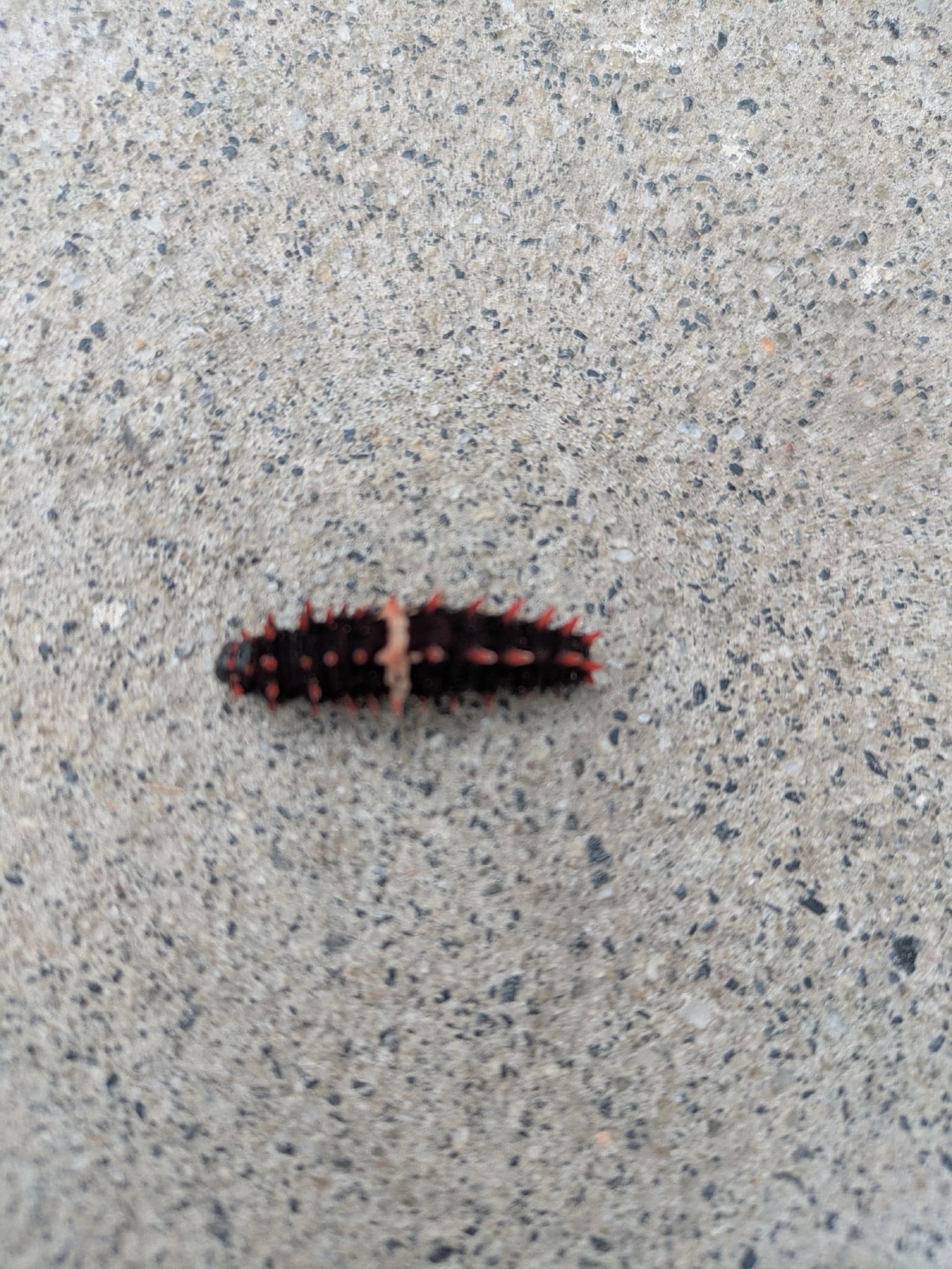
Cultivation NotesPrefers well-drained soil and partial shade, thriving in warm, humid climates. It can be cultivated as an ornamental vine, often grown for its unique flowers and as a host plant for certain butterfly species.
Rarityuncommon
Description
A perennial woody climber or herbaceous plant, *Aristolochia indica* is characterized by its heart-shaped leaves and distinctive, pipe-shaped flowers. These unique flowers are adapted for trapping insects to aid in pollination.