Solanum basendopogon
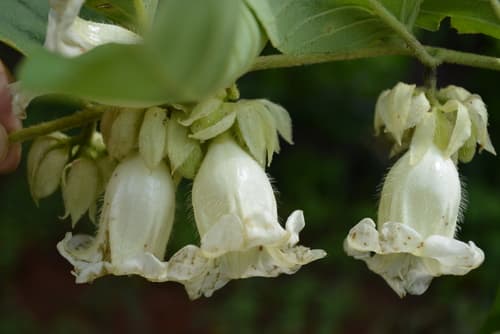
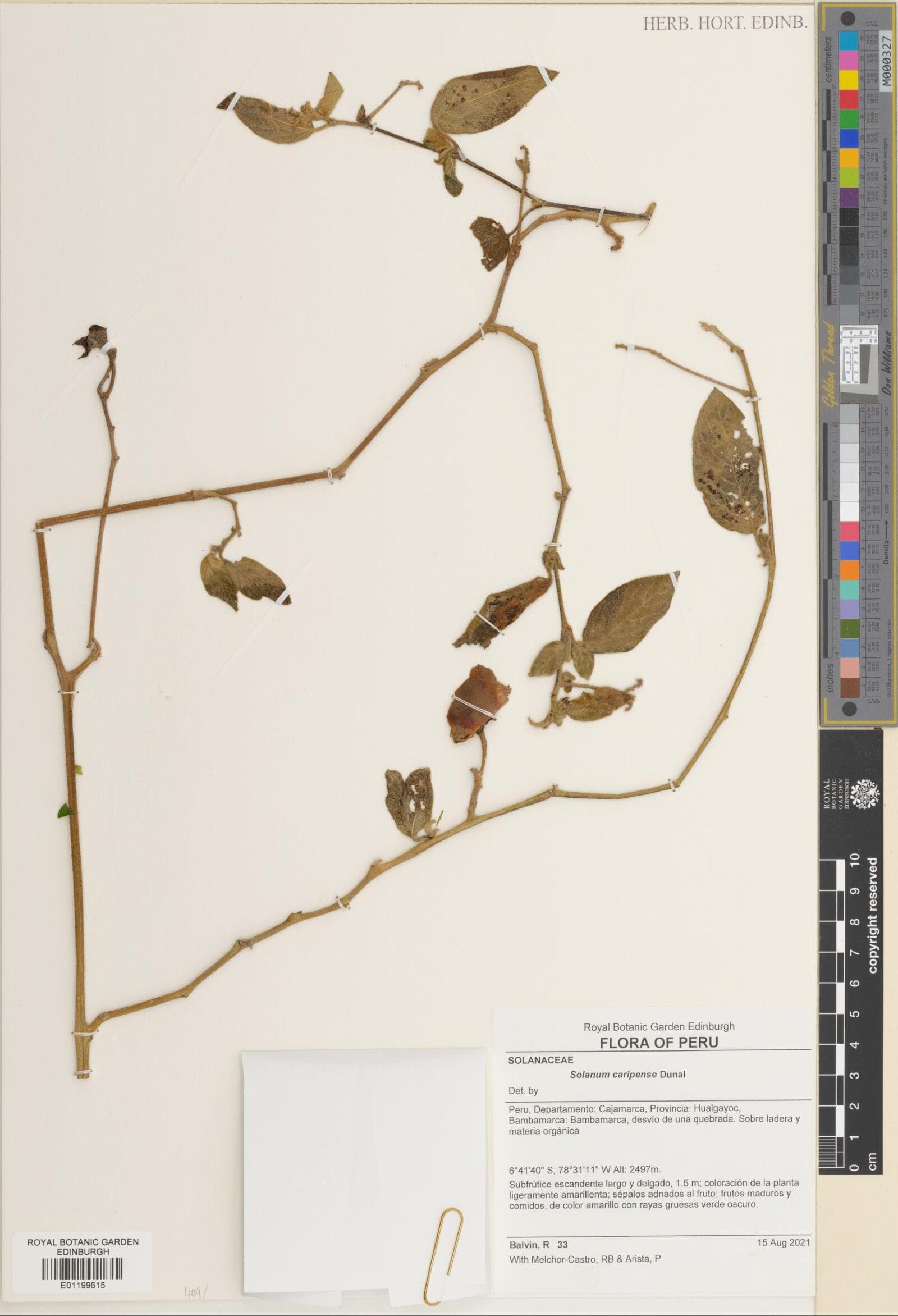
Image: Royal Botanic Garden Edinburgh (cc0)
NameSolanum basendopogon
Scientific NameSolanum basendopogon Bitter
Plant FamilySolanaceae
Natural HabitatThis species is endemic to the Andean regions of Peru, found in montane forests, cloud forests, and disturbed areas such as roadsides. It typically thrives at elevations ranging from 2000 to 3500 meters.
Parts Usedleaf,whole_plant
Medicinal Actionsanalgesic, anti-inflammatory, antimicrobial
Traditional UsesWhile specific traditional medicinal uses for Solanum basendopogon are not widely documented, other species within the Solanum genus are traditionally employed for their anti-inflammatory and analgesic properties. These are often applied topically for skin conditions, pain, or inflammation, attributed to the presence of steroidal alkaloids.
Active ConstituentsSteroidal glycoalkaloids
Preparation Methodsdecoction, poultice
Contraindications & WarningsAs with many Solanum species, Solanum basendopogon likely contains glycoalkaloids which can be toxic if ingested in improper doses. Internal use should be approached with extreme caution and under expert guidance. Not recommended for pregnant or nursing women, children, or individuals with liver or kidney conditions.
Cultivation NotesCultivation details for Solanum basendopogon are not widely published. Generally, Solanum species prefer well-drained soil and can tolerate full sun to partial shade. They are adapted to montane climates, suggesting a preference for moderate temperatures and consistent moisture.
Rarityuncommon
Description
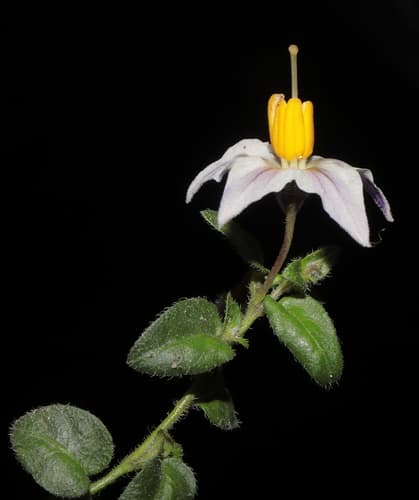
Solanum basendopogon Bitter is a herbaceous plant or subshrub, typically characterized by its stems and leaves being covered with stellate hairs. It produces small flowers and fruits, though detailed descriptions of these are less commonly documented in general botanical records.