Lyreleaf Nightshade
NameLyreleaf Nightshade
Scientific NameSolanum lyratum
Common NamesLyreleaf Nightshade, Japanese Nightshade
Plant FamilySolanaceae
Natural HabitatNative to East Asia, it commonly grows in forests, thickets, roadsides, disturbed areas, and along stream banks. It thrives in moist, well-drained soils and can tolerate a range of light conditions from partial shade to full sun.
Parts Usedwhole_plant,leaf,root
Medicinal Actionsanalgesic, anti-inflammatory, antimicrobial, antioxidant
Traditional UsesIn traditional Chinese medicine, Lyreleaf Nightshade (Bai Mao Teng) has been used to clear heat and detoxify, reduce swelling, and alleviate pain. It is traditionally applied for conditions such as inflammatory skin diseases, boils, carbuncles, snake bites, rheumatic pain, and certain types of cancer.
Active Constituentssteroidal alkaloids (e.g., solamargine, solasonine, solanine), flavonoids, saponins
Preparation Methodsinfusion, decoction, poultice, powder
Contraindications & WarningsDue to the presence of steroidal alkaloids, Lyreleaf Nightshade can be toxic in high doses. It is contraindicated in pregnancy, lactation, and for individuals with severe liver or kidney dysfunction. Use with caution and under professional guidance.
Cultivation NotesThis plant prefers moist, well-drained soil and can grow in partial shade to full sun. It is a vigorous grower and can sometimes be considered weedy or invasive in suitable climates. Propagation is typically by seed or stem cuttings.
Raritycommon
Description
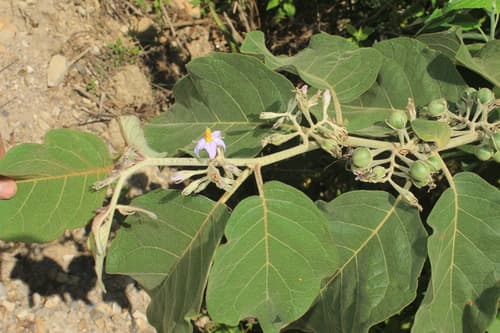
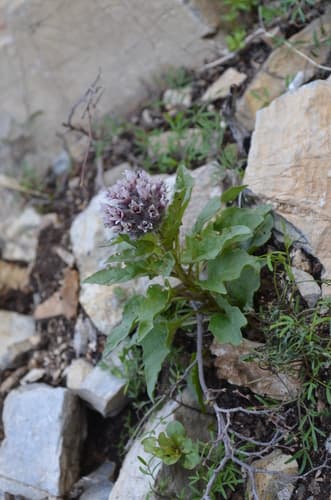
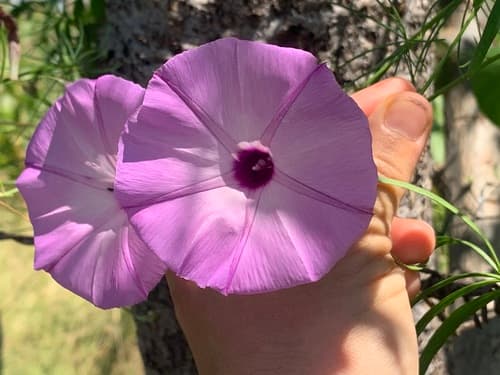
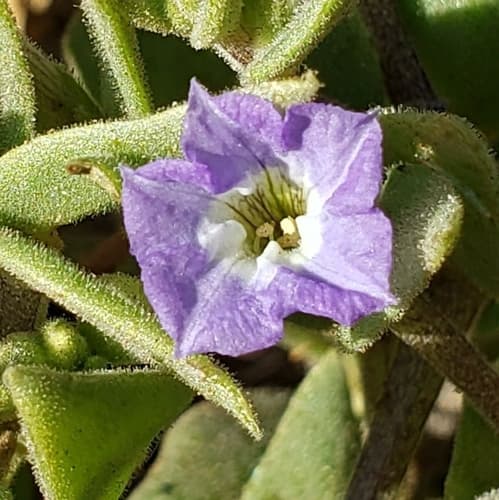
Lyreleaf nightshade is a herbaceous perennial vine or sprawling plant, often with hairy stems as seen in the image. It produces delicate white to pale purple flowers with prominent, often dark purple or brown anthers and a yellow pistil, arranged in cymes. The leaves are typically deeply lobed, resembling a lyre.