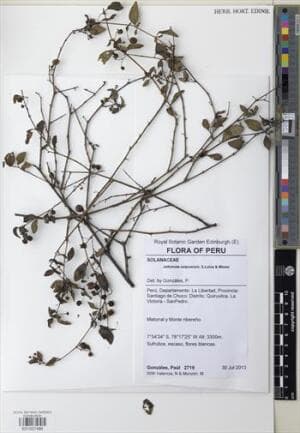
Lycianthes macrodon
NameLycianthes macrodon
Scientific NameLycianthes macrodon
Plant FamilySolanaceae
Natural HabitatNative to tropical and subtropical forests of Central and South America, often found in the understory or disturbed areas.
Parts Usedleaf,fruit
Medicinal Actionsanti-inflammatory, antimicrobial, antioxidant
Traditional UsesSpecific traditional medicinal uses for Lycianthes macrodon are not widely documented. However, some related Lycianthes species are traditionally used for their anti-inflammatory and antimicrobial properties, often applied externally for skin conditions or internally with extreme caution due to potential toxicity.
Active Constituentssteroidal alkaloids, flavonoids, saponins
Preparation Methodspoultice, infusion, decoction
Contraindications & WarningsAll parts of the plant, especially unripe fruits, are potentially toxic due to steroidal alkaloids. Internal use is generally not recommended without expert supervision. Avoid use by pregnant or nursing women, children, and individuals with liver or kidney conditions.
Cultivation NotesThrives in tropical to subtropical climates with moist, well-drained soil. Prefers partial shade, mimicking its natural understory habitat.
Rarityuncommon
Description
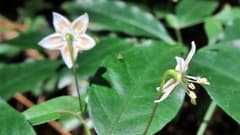
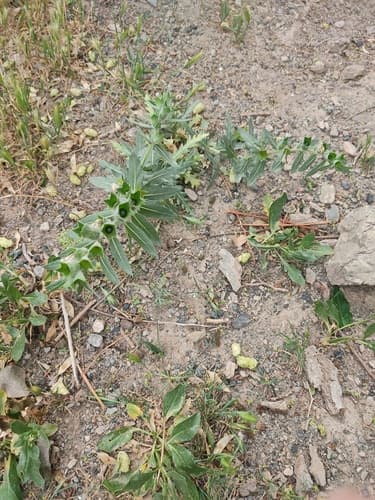
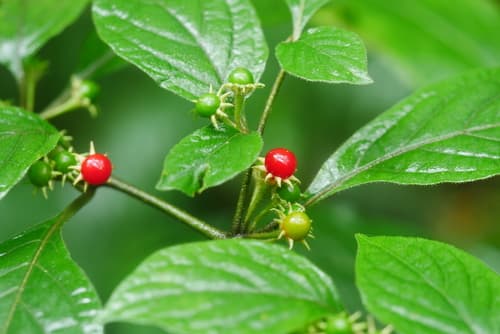
A herbaceous plant or small shrub characterized by simple, ovate leaves and small, round berries. The berries mature from green to bright red and are distinctive due to the prominent, often spiky, calyx lobes at their base.