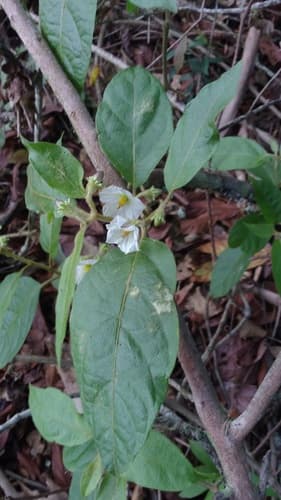
Lycianthes ferruginea
NameLycianthes ferruginea
Scientific NameLycianthes ferruginea
Common NamesPalo de gallina
Plant FamilySolanaceae
Natural HabitatNative to tropical and subtropical regions of Central and South America, commonly found in forest edges, clearings, and disturbed areas at various elevations.
Parts Used
Traditional UsesWhile some species within the genus Lycianthes are used in traditional medicine, specific, widely documented medicinal uses for Lycianthes ferruginea itself are scarce in available ethnobotanical literature.
Active ConstituentsSteroidal glycoalkaloids, Flavonoids
Contraindications & WarningsAs with many plants in the Solanaceae family, Lycianthes ferruginea is likely to contain steroidal glycoalkaloids which can be toxic. Ingestion of any part of the plant should be avoided due to potential toxicity.
Cultivation NotesThrives in tropical and subtropical climates with well-drained soil. It can grow in partial shade to partial sun and is typically propagated by seed.
Raritycommon
Description
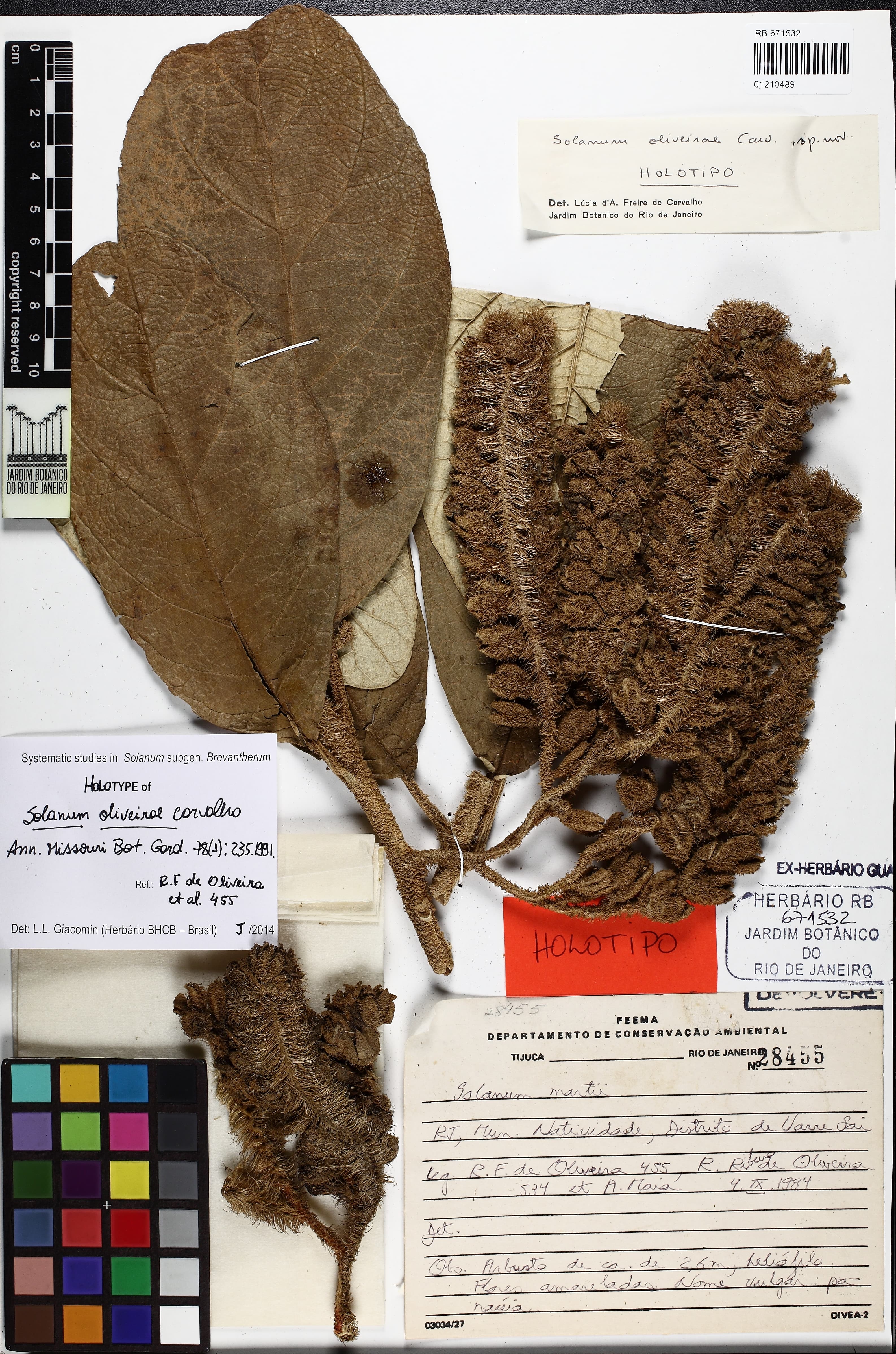
Lycianthes ferruginea is a shrub or small tree, typically 1-5 meters tall, characterized by simple, alternate leaves that are often ovate and may have a rusty pubescence. It produces small, star-shaped white or pale lavender flowers with prominent yellow anthers, usually in axillary clusters.