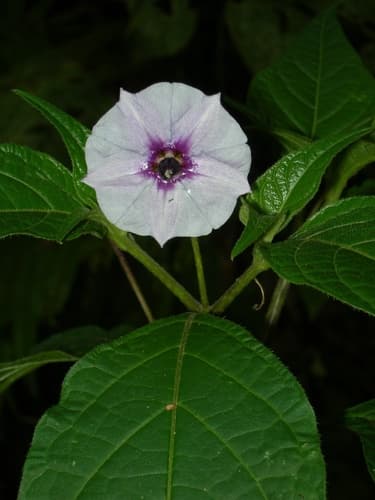
Lycianthes connata
NameLycianthes connata
Scientific NameLycianthes connata
Plant FamilySolanaceae
Natural HabitatNative to tropical and subtropical regions of Central and South America, often found in disturbed areas, forest edges, and secondary growth.
Parts Used
Traditional UsesTraditional medicinal uses for Lycianthes connata are not well-documented in widely accessible ethnobotanical literature. The genus Lycianthes is part of the Solanaceae family, which contains many species with potent compounds, some of which are used traditionally, but often with caution due to potential toxicity.
Active Constituentssteroidal alkaloids, saponins, flavonoids
Contraindications & WarningsDue to its membership in the Solanaceae family, which includes many toxic species, caution is advised. Specific contraindications for Lycianthes connata are not well-documented, but potential toxicity from steroidal alkaloids should be considered.
Cultivation NotesPrefers warm, humid climates and well-drained soil. Can be grown from seed or cuttings. Requires adequate sunlight but may tolerate some partial shade.
Rarityuncommon
Description
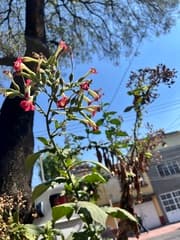
This plant is a shrub or small tree characterized by broad, ovate green leaves with slightly undulate margins. It produces solitary, axillary flowers that are typically pale lavender to white with a distinct darker purple throat and a prominent dark anther cone.