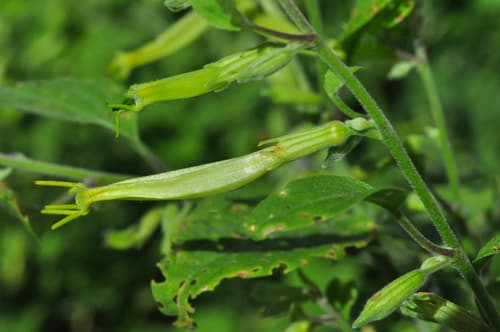
Forest Morning Glory
NameForest Morning Glory
Scientific NameIpomoea indica
Common NamesForest Morning Glory, Oceanblue Morning Glory, Blue Dawn Flower, Koali Awa
Plant FamilyConvolvulaceae
Natural HabitatNative to tropical and subtropical regions worldwide, it thrives in disturbed areas, forest margins, roadsides, and coastal thickets. It prefers warm, humid climates and well-drained soils.
Parts Usedleaf,flower,root
Medicinal Actionsanti-inflammatory, diuretic
Traditional UsesTraditionally, the leaves and stems have been used as a purgative and laxative to relieve constipation. In some folk medicine systems, it is applied externally as a poultice for skin conditions, swellings, and insect bites, and internally as a diuretic.
Active Constituentsflavonoids, tannins, resins, alkaloids
Preparation Methodsinfusion, decoction, poultice
Contraindications & WarningsDue to its potent purgative effects, excessive internal use can lead to severe gastrointestinal upset, dehydration, and electrolyte imbalance. It is generally not recommended for pregnant or breastfeeding women, or individuals with intestinal obstructions or severe digestive disorders.
Cultivation NotesThis fast-growing vine prefers full sun to partial shade and moist, well-drained soil. It requires a trellis or other support for climbing and can become invasive in suitable climates. Propagation is easy from seeds or stem cuttings.
Raritycommon
Description
A vigorous perennial climbing vine characterized by its large, heart-shaped leaves and showy, funnel-shaped flowers. The blossoms are typically a vibrant purple-pink with a darker magenta throat, opening in the morning and fading by afternoon.