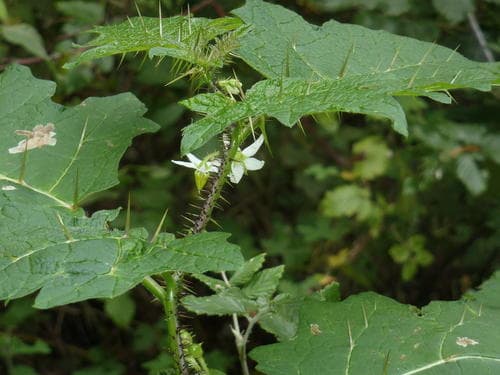
love-apple nightshade
Namelove-apple nightshade
Scientific NameSolanum carolinense
Common NamesCarolina Horsenettle, Horsenettle, Apple of Sodom, Ball-nettle, Tread-softly, Sand Brier
Plant FamilySolanaceae
Natural HabitatNative to the southeastern United States, it thrives in disturbed soils, pastures, cultivated fields, roadsides, and open woodlands. It is often considered a noxious weed due to its aggressive spread.
Parts Usedroot,fruit
Medicinal Actionsanalgesic, sedative
Traditional UsesHistorically, Native American tribes used the root as a sedative and analgesic for conditions like epilepsy, toothaches, and nervous disorders. The fruits were occasionally applied externally as a poultice for skin conditions, though internal use is highly discouraged due to extreme toxicity.
Active ConstituentsSolanine, Solanidine, Solasodine, Tropane alkaloids
Preparation Methodsdecoction, poultice
Contraindications & WarningsEXTREMELY TOXIC. All parts of the plant, especially the unripe berries, contain potent glycoalkaloids that can cause severe gastrointestinal distress, neurological symptoms, and can be fatal if ingested. Not safe for internal use and should be handled with extreme caution.
Cultivation NotesGenerally not cultivated due to its toxic nature and classification as a noxious weed. It spreads aggressively via rhizomes and seeds, making it difficult to control in agricultural or garden settings. Prefers full sun and well-drained soil.
Raritycommon
Description
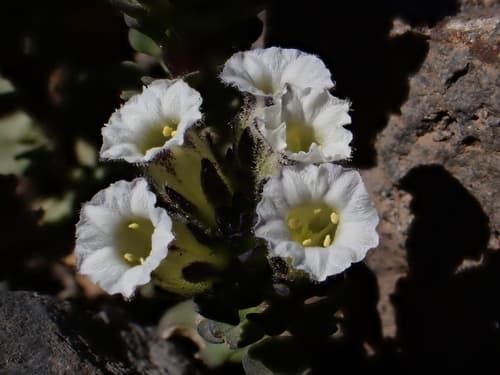
A perennial herbaceous plant characterized by its prickly stems and deeply lobed, spiny leaves. It produces clusters of white to pale violet, star-shaped flowers with prominent yellow anthers, followed by small, yellow, tomato-like berries.