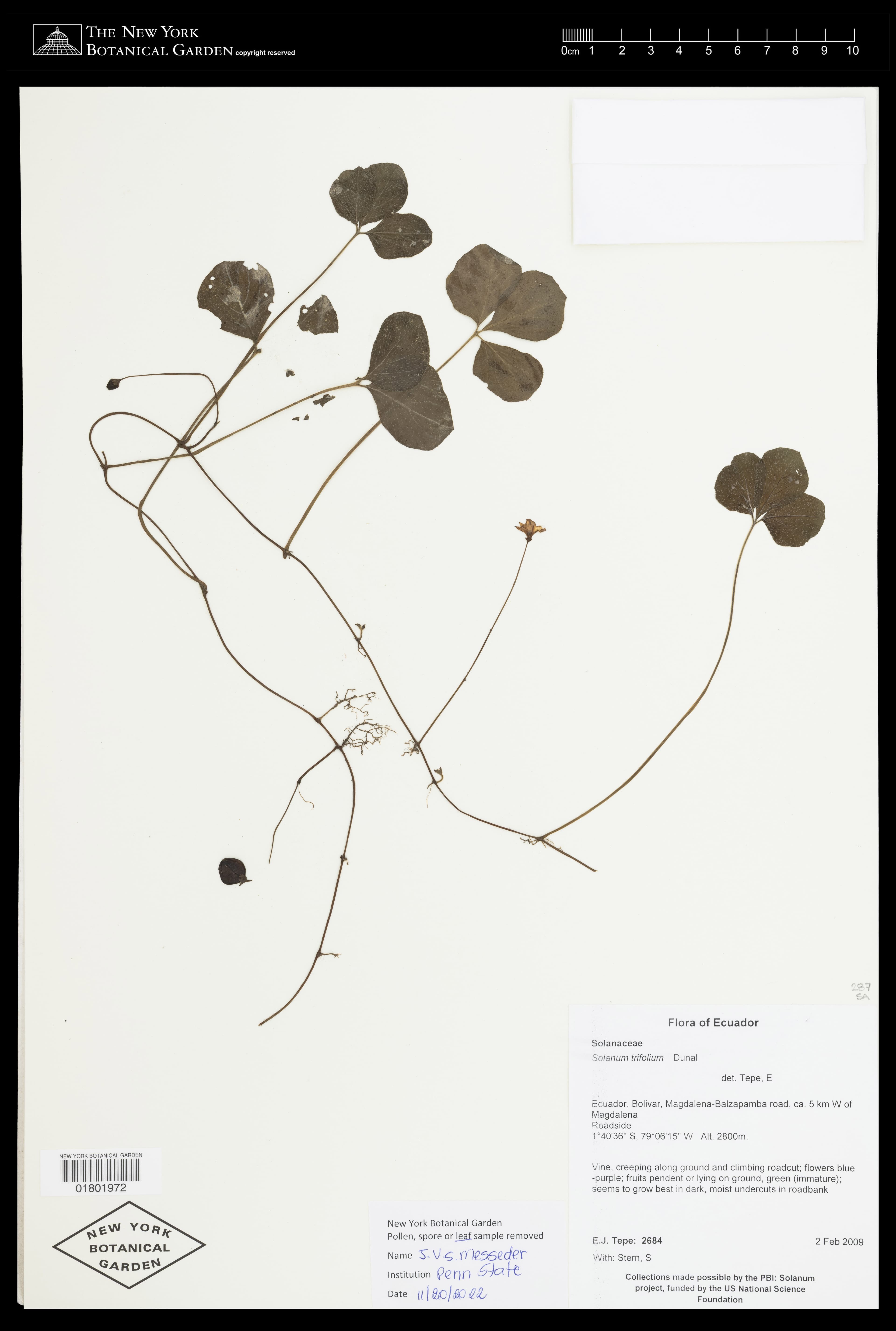
Los Pinitos Dodder
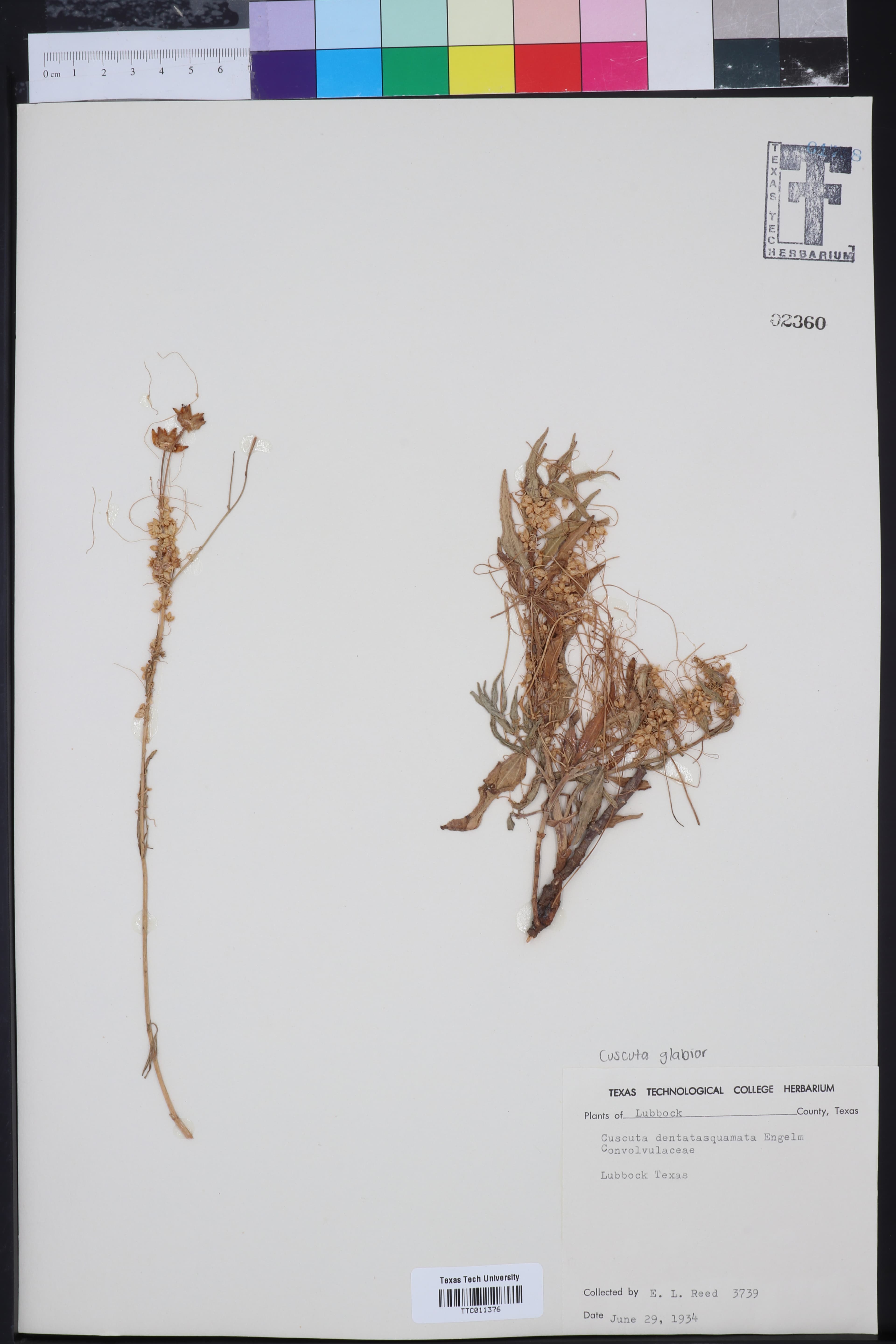
Image: E.L. Reed (cc0)
NameLos Pinitos Dodder
Scientific NameCuscuta dentatasquamata Yunck.
Common NamesLos Pinitos Dodder, Dodder
Plant FamilyConvolvulaceae
Natural HabitatThis dodder species is native to arid and semi-arid regions of the southwestern United States and northern Mexico. It typically parasitizes various herbaceous plants and shrubs in disturbed areas, grasslands, and desert scrub environments.
Parts Usedwhole_plant,seed
Medicinal Actionsantioxidant, anti-inflammatory, diuretic, adaptogen
Traditional UsesWhile specific traditional uses for Cuscuta dentatasquamata are not widely documented, other Cuscuta species (particularly C. chinensis and C. japonica) are traditionally used in herbal medicine as a kidney tonic, to improve vision, strengthen bones, and address issues like impotence and frequent urination. These uses are generally attributed to the genus.
Active Constituentsflavonoids, lignans, polysaccharides, coumarins
Preparation Methodsinfusion, decoction, powder, tincture
Contraindications & WarningsSpecific contraindications for Cuscuta dentatasquamata are not well-documented. As with many herbs, caution is advised during pregnancy and lactation. Individuals on blood-thinning medication or with specific health conditions should consult a healthcare professional before use.
Cultivation NotesCuscuta species are obligate parasites, meaning they require a host plant to survive and grow. Cultivation is generally not undertaken for medicinal harvest due to its parasitic nature and potential to harm host crops; it is often considered a weed in agricultural settings.
Raritycommon
Description
Cuscuta dentatasquamata, commonly known as Los Pinitos Dodder, is an annual parasitic vine characterized by its slender, leafless, yellowish-orange, thread-like stems that twine around host plants. It produces small, inconspicuous whitish flowers clustered along its stems, which develop into small capsules containing seeds.