Angelica
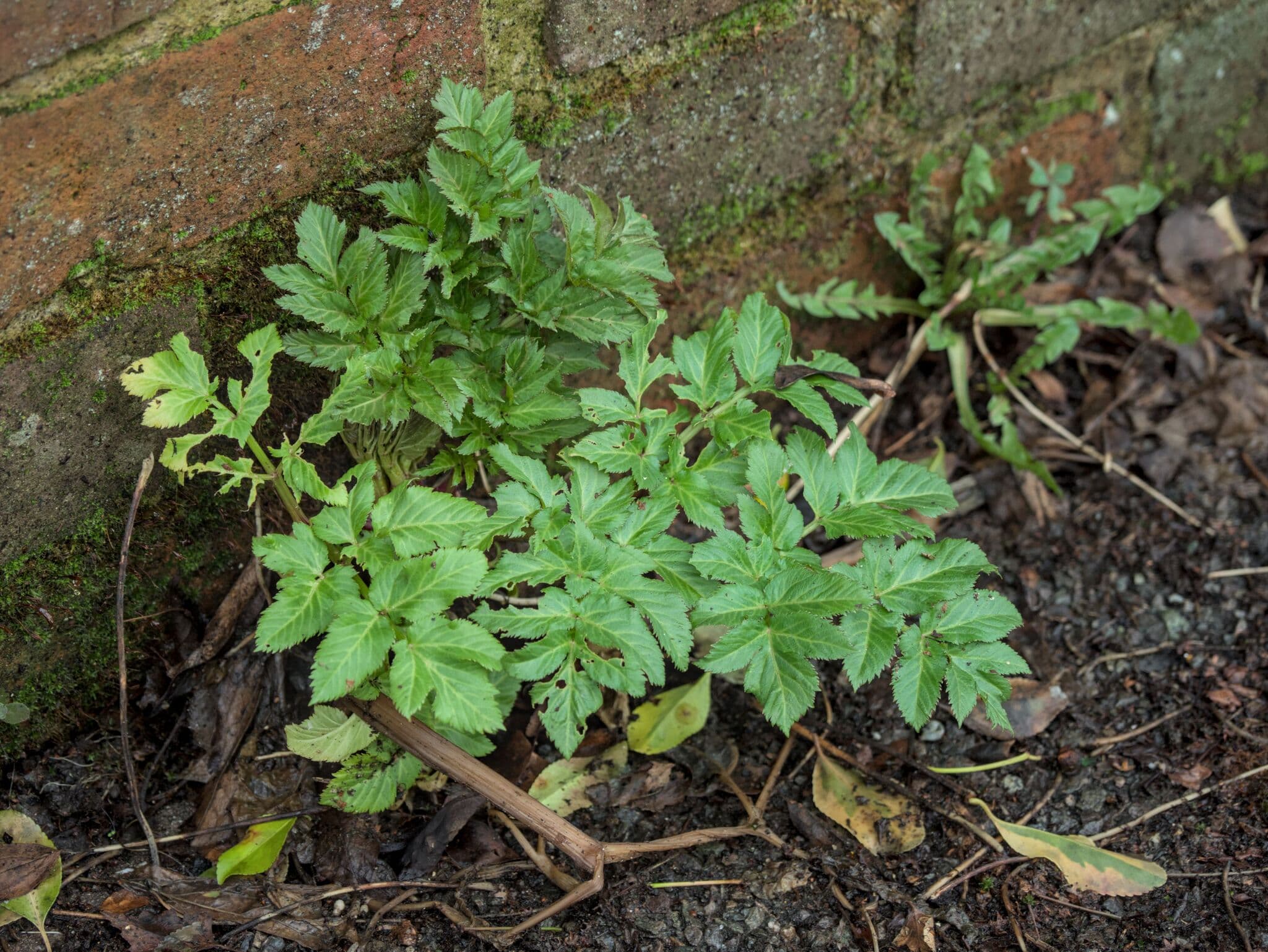
Image: Daniel Cahen (cc-by)
NameAngelica
Scientific NameAngelica archangelica
Common NamesGarden Angelica, Holy Ghost, Wild Celery, Norwegian Angelica
Plant FamilyApiaceae
Natural HabitatThis plant thrives in moist, cool climates, often found growing wild in damp meadows, along riverbanks, and in coastal areas, particularly in northern Europe and Asia.
Parts Usedroot,leaf,seed
Medicinal Actionscarminative, expectorant, anti-inflammatory, antimicrobial
Traditional UsesTraditionally, Angelica has been used to aid digestion, relieve flatulence, and stimulate appetite. It is also employed for respiratory conditions such as coughs, colds, and bronchitis, and as a general tonic to support overall well-being.
Active ConstituentsFuranocoumarins, Essential oils (e.g., phellandrene, pinene), Flavonoids, Phenolic acids
Preparation Methodsinfusion, decoction, tincture, powder, essential oil
Contraindications & WarningsAngelica can cause photosensitivity, so sun exposure should be limited after use. It should be avoided during pregnancy and by individuals with diabetes or those on anticoagulant medication.
Cultivation NotesAngelica prefers rich, moist, well-drained soil and can tolerate full sun to partial shade. It is typically grown from seed and is a biennial, flowering and setting seed in its second year before dying.
Raritycommon
Description
Angelica archangelica is a robust biennial herb characterized by its large, deeply divided, serrated leaves and stout, hollow stems. It produces umbrella-like clusters of greenish-white flowers in its second year, followed by seeds.