littleleaf mock orange
Namelittleleaf mock orange
Scientific NamePhiladelphus microphyllus
Common NamesLittleleaf Mock Orange, Dwarf Mock Orange
Plant FamilyHydrangeaceae
Natural HabitatNative to arid and semi-arid regions of southwestern North America, it is commonly found on rocky slopes, canyon walls, and in open woodlands at higher elevations.
Parts Usedleaf,flower
Medicinal Actionsastringent
Traditional UsesHistorically, some Native American tribes utilized species of *Philadelphus* for external applications, such as washes or poultices for minor skin irritations or wounds, possibly due to mild astringent properties. The fragrant flowers were also valued for ceremonial purposes or perfumery. It is not widely recognized for internal medicinal use.
Active ConstituentsFlavonoids, Tannins
Preparation Methodsinfusion, poultice
Contraindications & WarningsNot recommended for internal use due to potential toxicity (some *Philadelphus* species contain cyanogenic glycosides) and a lack of safety data. External use should be approached with caution; discontinue if skin irritation occurs.
Cultivation NotesThis shrub prefers full sun to partial shade and well-drained soil. It is notably drought-tolerant once established and can adapt to various soil types, though it thrives in neutral to alkaline conditions.
Raritycommon
Description
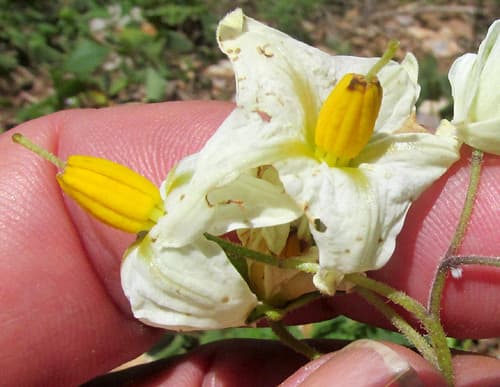
A compact, deciduous shrub characterized by its small, oval to lance-shaped green leaves and an abundance of highly fragrant white flowers. Each flower typically has four petals and prominent yellow stamens, blooming profusely in late spring to early summer.