Linden
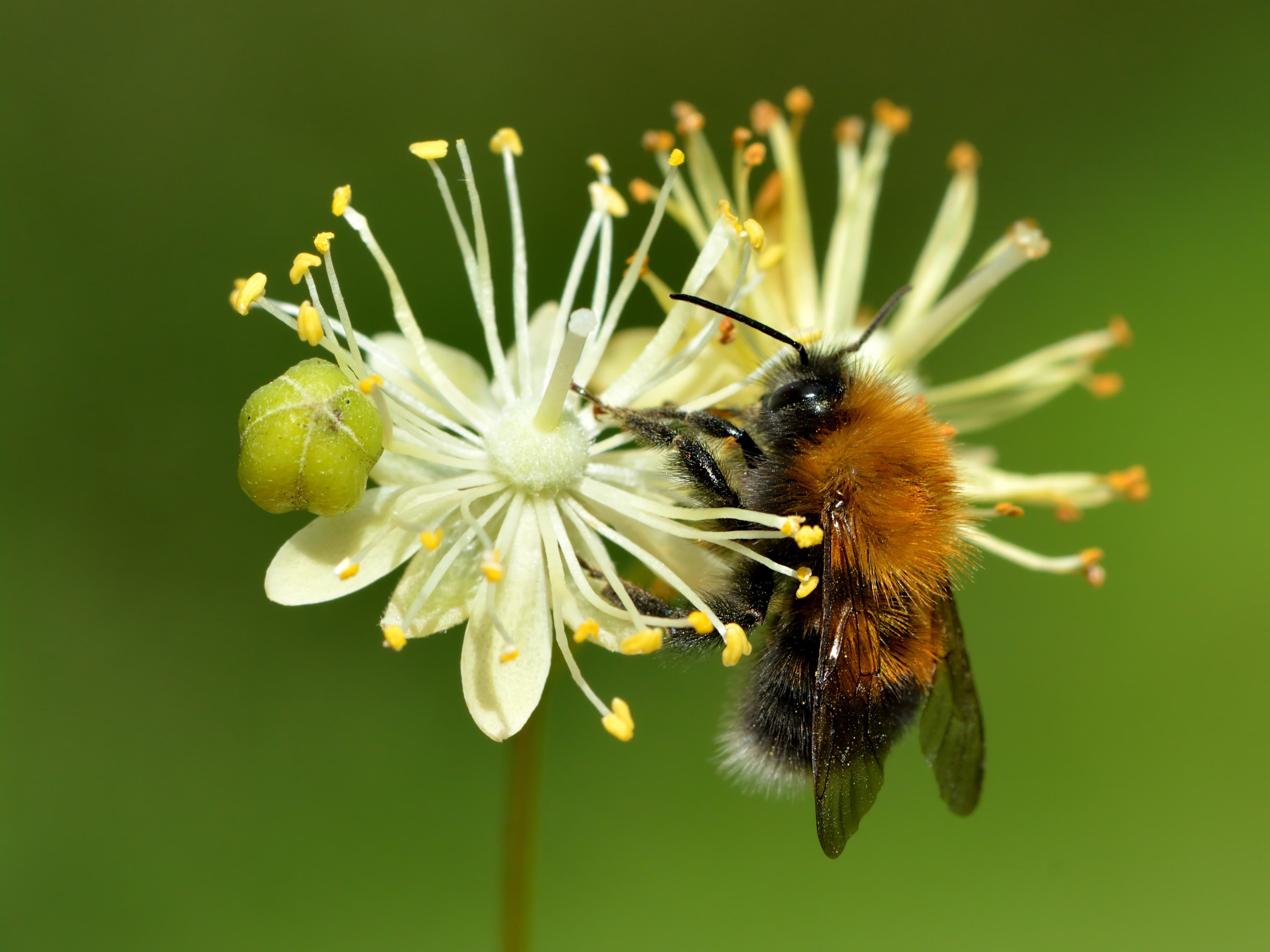
Image: Ivar Leidus (CC BY-SA 4.0)
NameLinden
Scientific NameTilia cordata
Common NamesLinden, Small-leaved Lime, Littleleaf Linden, Lime Tree
Plant FamilyMalvaceae
Natural HabitatNative to Europe, Tilia cordata thrives in temperate forests, woodlands, and along riverbanks. It prefers moist, fertile, well-drained soils and is often found in mixed deciduous forests.
Parts Usedflower,leaf,bark
Medicinal Actionssedative, nervine, anti-inflammatory, antioxidant, diuretic, expectorant
Traditional UsesTraditionally, linden flowers are used to treat colds, flu, coughs, and fevers due to their diaphoretic and expectorant properties. They are also widely used as a mild sedative and nervine to alleviate anxiety, insomnia, and nervous tension.
Active ConstituentsFlavonoids, Mucilage, Volatile oils (e.g., farnesol), Tannins, Phenolic acids
Preparation Methodsinfusion, tincture, decoction, powder
Contraindications & WarningsGenerally considered safe, but individuals with heart conditions should consult a healthcare professional before use. Allergic reactions are rare.
Cultivation NotesLinden trees are hardy and adaptable, preferring full sun to partial shade and well-drained, fertile soil. They are tolerant of urban pollution and can be propagated by seed, grafting, or cuttings.
Raritycommon
Description
Tilia cordata is a deciduous tree native to Europe, known for its heart-shaped leaves and fragrant, pale yellow flowers. It typically grows to a height of 20-40 meters, forming a dense, rounded crown with flowers borne in drooping cymes, each with a characteristic leafy bract.