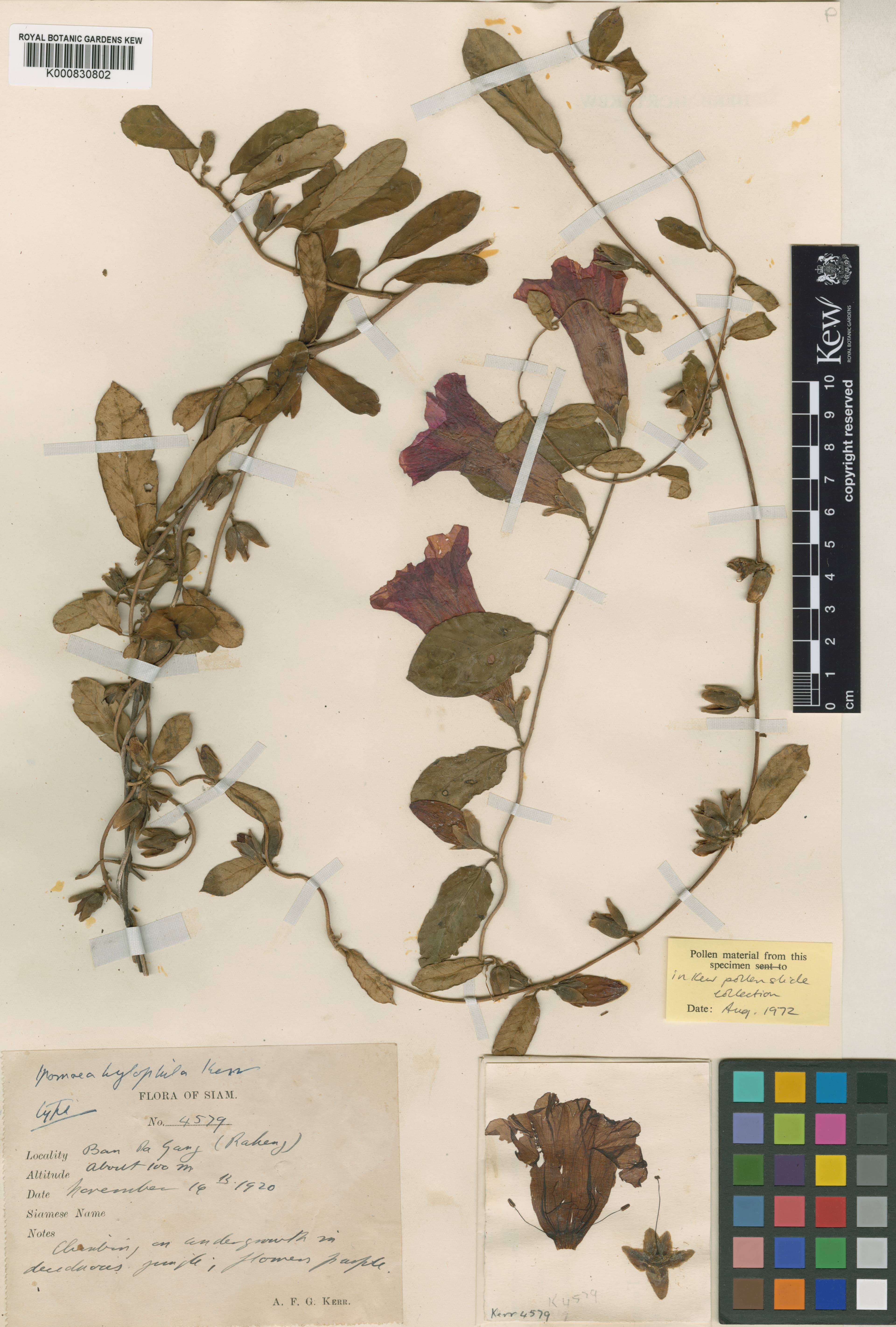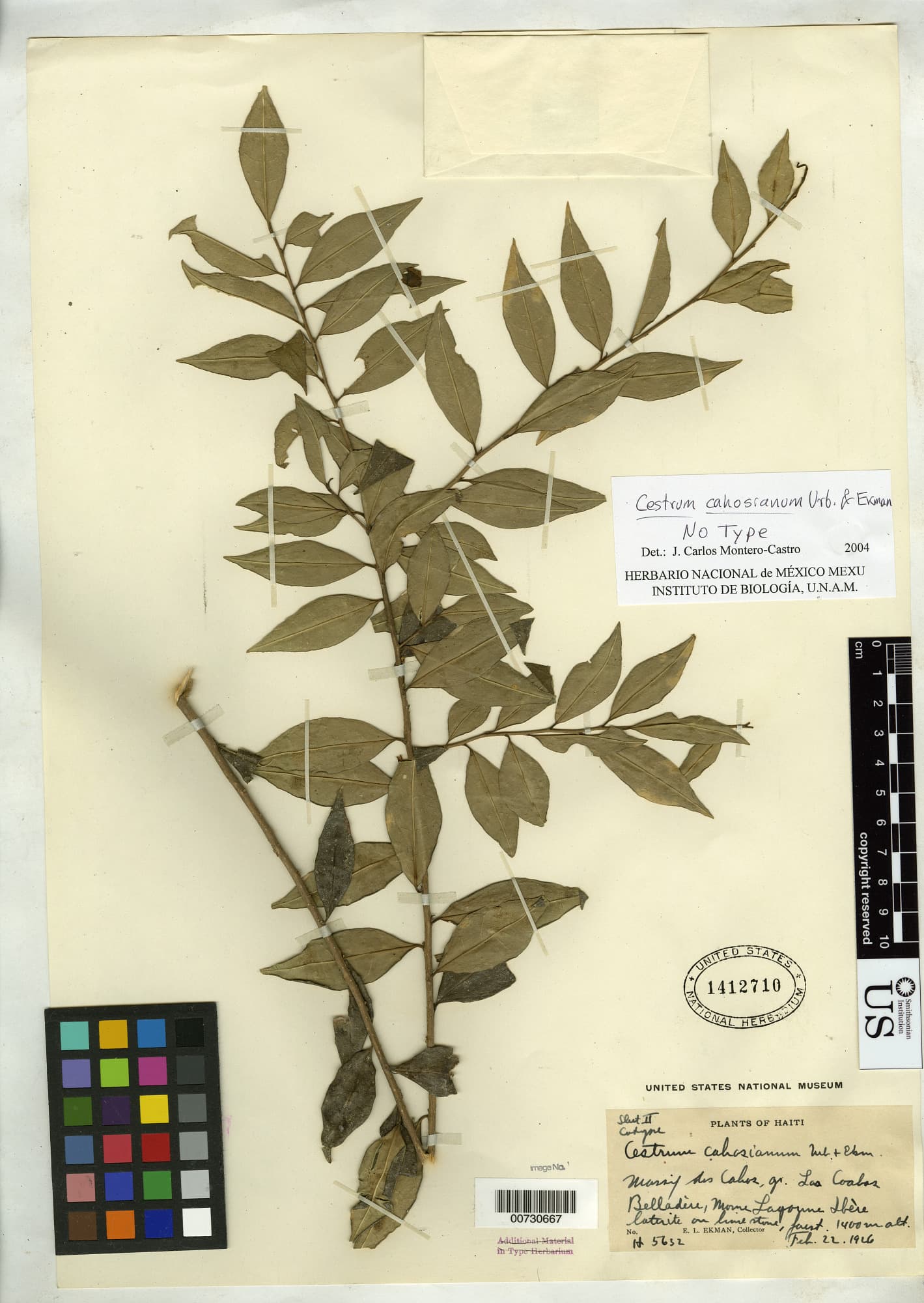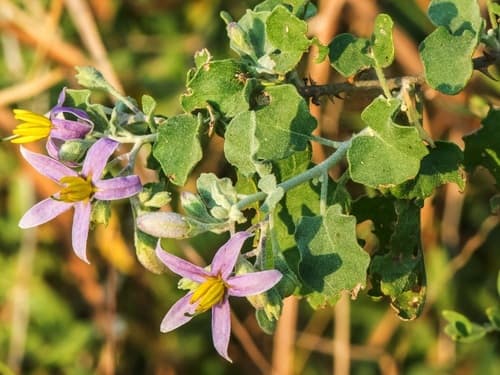
Solanum forskaolii
NameSolanum forskaolii
Scientific NameSolanum forskaolii
Common NamesForskål's Nightshade, Desert Nightshade
Plant FamilySolanaceae
Natural HabitatNative to arid and semi-arid regions, often found in wadis, rocky slopes, disturbed ground, and sandy areas across the Arabian Peninsula, parts of North Africa, and the Middle East.
Parts Usedleaf,fruit
Medicinal Actionsanalgesic, anti-inflammatory, antimicrobial
Traditional UsesTraditionally, various parts of Solanum forskaolii have been used in folk medicine, particularly in the Arabian Peninsula. The leaves or fruits might be applied externally as a poultice for skin ailments, wounds, or to relieve pain and inflammation. Internal use, if any, would be highly cautious due to potential toxicity.
Active ConstituentsSteroidal glycoalkaloids, Solasodine, Solamargine, Flavonoids
Preparation Methodspoultice, powder
Contraindications & WarningsAs with many Solanum species, Solanum forskaolii contains steroidal glycoalkaloids which can be toxic if ingested in sufficient quantities. Symptoms of toxicity can include gastrointestinal upset, neurological effects, and cardiac issues. Pregnant and breastfeeding women, children, and individuals with liver or kidney conditions should avoid use.
Cultivation NotesThrives in full sun and well-drained, sandy or rocky soils. It is drought-tolerant once established and requires minimal watering. Propagated by seed.
Raritycommon
Description
A thorny, herbaceous perennial or subshrub, typically covered in stellate hairs, giving it a grayish appearance. It features ovate to lobed leaves and produces star-shaped, pale purple to white flowers with prominent yellow anthers, followed by small, often yellow or orange berries.