Dandelion
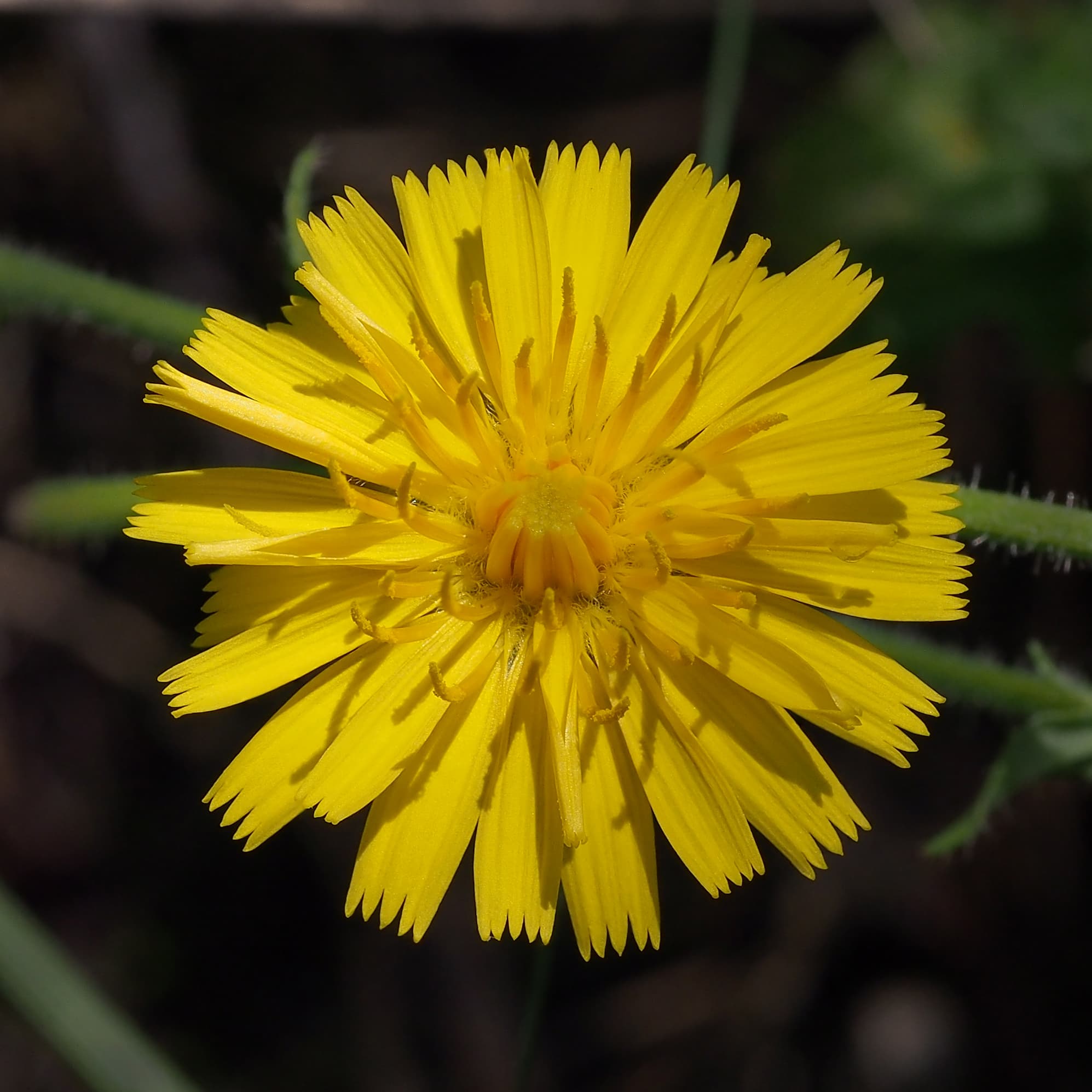
Image: Petar Milošević (CC BY-SA 4.0)
NameDandelion
Scientific NameTaraxacum officinale
Common NamesDandelion, Common Dandelion, Lion's Tooth, Piss-a-bed
Plant FamilyAsteraceae
Natural HabitatDandelions are highly adaptable and thrive in a wide range of habitats, including lawns, gardens, fields, roadsides, and disturbed soils across temperate regions worldwide. They prefer full sun to partial shade and moist, well-drained soil.
Parts Usedleaf,flower,root,whole_plant
Medicinal Actionsdiuretic, anti-inflammatory, antioxidant, carminative
Traditional UsesTraditionally, dandelion root and leaves have been used as a diuretic to promote kidney function and reduce water retention. It is also valued as a liver tonic, aiding detoxification and improving digestion, and is sometimes used for skin conditions and as a mild laxative.
Active ConstituentsTaraxacin, Taraxacerin, Inulin, Sesquiterpene lactones, Flavonoids, Carotenoids, Vitamins (A, C, K), Minerals (potassium, iron)
Preparation Methodsinfusion, decoction, tincture, powder, salve
Contraindications & WarningsMay interact with diuretics, blood thinners, and medications for diabetes. Individuals with allergies to plants in the Asteraceae family (ragweed, chrysanthemums) may experience allergic reactions. Not recommended for those with bile duct obstruction.
Cultivation NotesDandelions are easy to grow from seed or root cuttings in most soil types, preferring full sun. They are often considered weeds due to their vigorous growth and self-seeding nature. Ensure consistent moisture for optimal leaf production.
Raritycommon
Description
Dandelion is a perennial herbaceous plant characterized by its bright yellow, composite flower heads, deeply lobed basal leaves forming a rosette, and a milky sap. Its flowers mature into spherical seed heads, commonly known as 'puffballs,' which disperse seeds via wind. The plant typically grows 5-40 cm tall.