Kudzu
Image: usaviah (cc-by-nc)
NameKudzu
Scientific NamePueraria montana (Lour.) Merr.
Common NamesKudzu, Japanese arrowroot, Chinese arrowroot, Foot-a-night vine
Plant FamilyFabaceae
Natural HabitatNative to East Asia and Southeast Asia, Kudzu thrives in temperate to subtropical climates. In many parts of the world, particularly the southeastern United States, it is an invasive species commonly found in disturbed areas, roadsides, forest edges, and abandoned fields.
Parts Usedroot,flower,leaf
Medicinal Actionsanti-inflammatory, antioxidant, adaptogen, analgesic, sedative
Traditional UsesTraditionally, Kudzu (known as Ge Gen in Chinese medicine) has been used to treat fevers, headaches, stiff necks, and muscle aches. It is also employed for digestive issues like diarrhea and dysentery, and notably for reducing alcohol cravings and mitigating hangover symptoms. Additionally, it has applications in cardiovascular health, including managing hypertension and angina.
Active ConstituentsPuerarin, Daidzin, Daidzein, Genistein, Saponins
Preparation Methodsinfusion, decoction, tincture, powder
Contraindications & WarningsKudzu may interact with blood-thinning medications (anticoagulants), anti-diabetic drugs, and hormone-sensitive conditions due to its phytoestrogenic effects. Pregnant or breastfeeding women should avoid its use.
Cultivation NotesWhile native to Asia, Kudzu is highly invasive in many regions, especially the southeastern United States, where it can quickly smother native vegetation. It prefers warm, humid climates with ample sunlight and well-drained soil. Cultivation is generally discouraged outside its native range due to its aggressive growth.
Raritycommon
Description
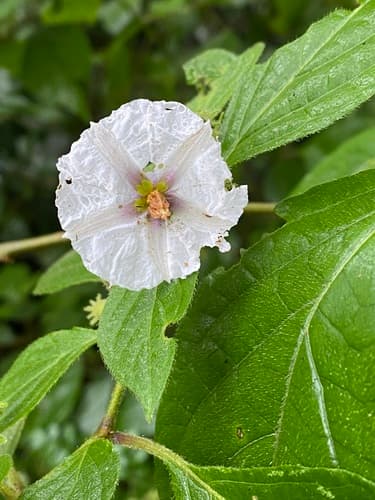
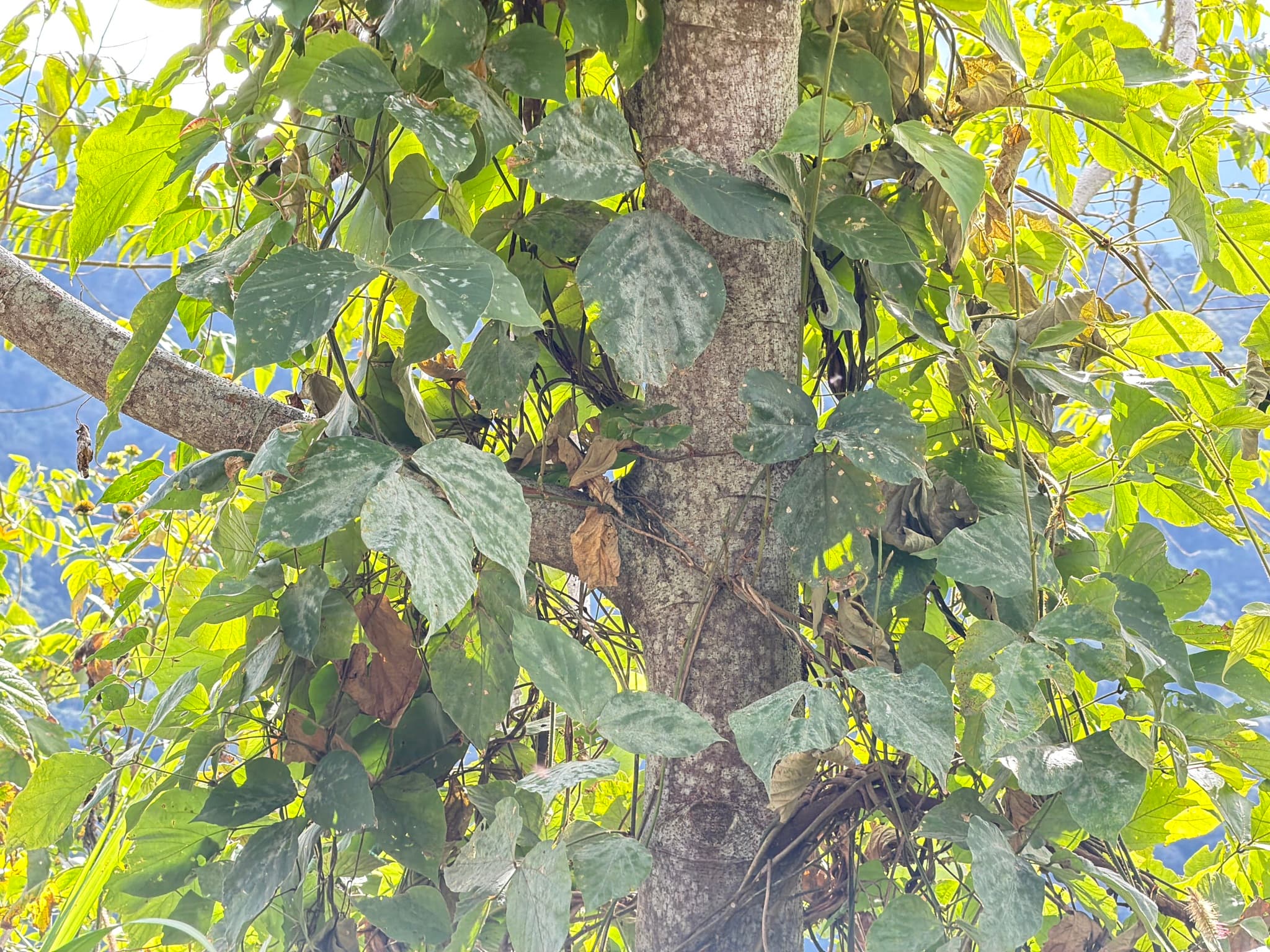
Kudzu is a vigorous, perennial, woody vine characterized by its rapid growth and extensive climbing habit. It features large, trifoliate leaves, typically with three broad leaflets that can be lobed or entire, and produces clusters of fragrant, purple flowers.