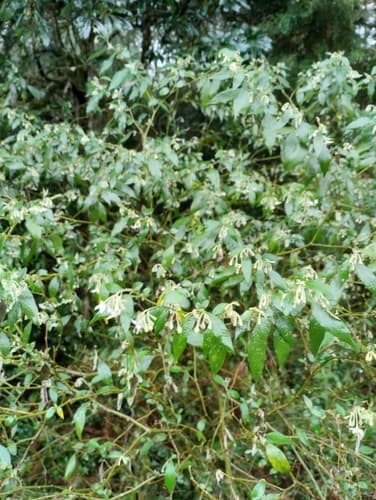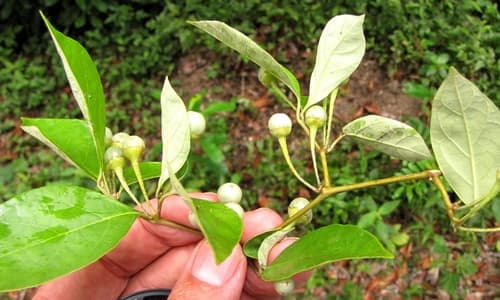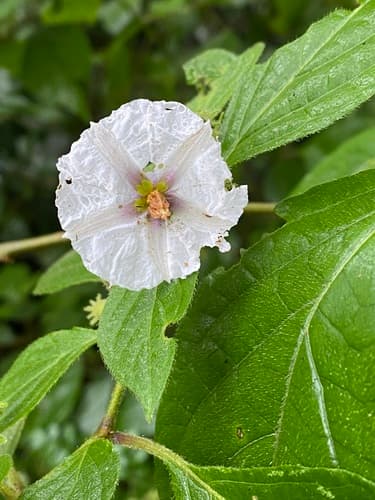
Lycianthes tricolor
NameLycianthes tricolor
Scientific NameLycianthes tricolor
Plant FamilySolanaceae
Natural HabitatNative to Central America (e.g., Mexico, Guatemala, Honduras) and parts of South America, it thrives in moist, often disturbed areas within tropical deciduous forests, cloud forests, and secondary vegetation at various altitudes.
Parts Used
Traditional UsesSpecific traditional medicinal uses for Lycianthes tricolor are not well-documented in widely accessible ethnobotanical literature. While other species in the Solanaceae family have medicinal applications, direct evidence for this particular species is scarce.
Contraindications & WarningsDue to its membership in the Solanaceae family, which includes many species containing potent alkaloids, potential toxicity should be assumed. Internal use is not recommended without expert botanical and medicinal guidance, as specific contraindications and safety profiles for Lycianthes tricolor are not well-established.
Cultivation NotesThis species likely prefers warm, humid climates with well-drained soil and can tolerate conditions ranging from partial shade to full sun, typical for tropical shrubs in its native range.
Raritycommon
Description
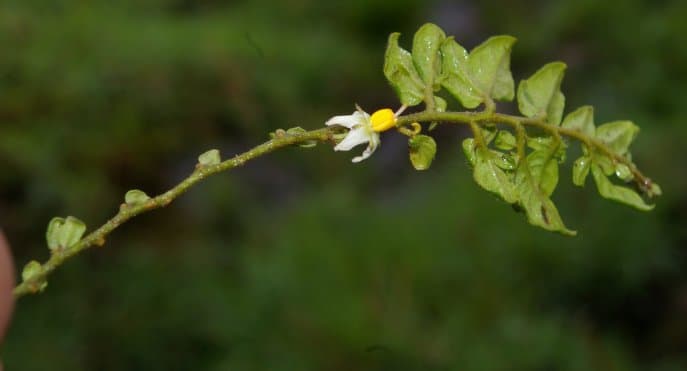
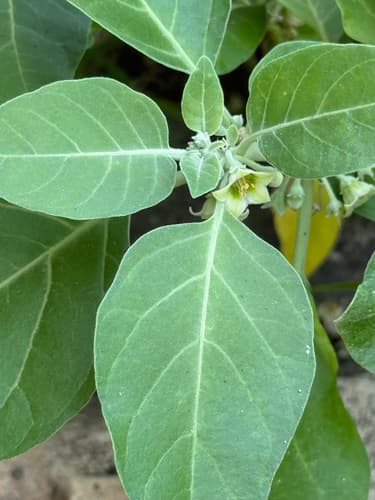
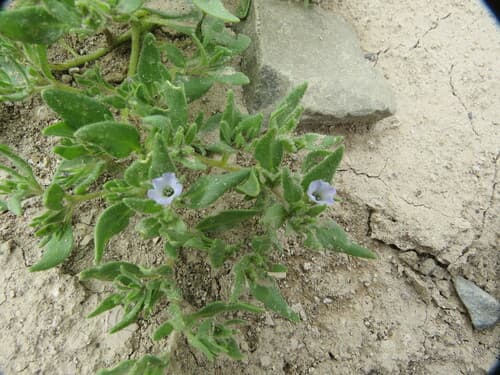
Lycianthes tricolor is a shrub or small tree characterized by its distinctive white, star-shaped flowers with five deeply lobed petals, often showing a hint of purple or pink at the base and a yellowish-brown center. Its leaves are green, ovate, and typically have a textured or slightly hairy surface with serrated margins.