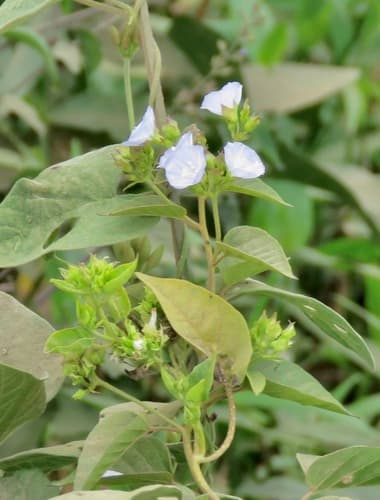
Pinnasa
NamePinnasa
Scientific NamePinnasa pinnatifida
Common NamesPinnasa, Featherleaf Herb
Plant FamilyAsteraceae
Natural HabitatThrives in dry, open, and disturbed areas such as meadows, roadsides, and arid grasslands. It prefers well-drained soil and full sun exposure.
Parts Usedleaf,flower,whole_plant
Medicinal Actionsanti-inflammatory, antimicrobial, astringent, carminative, expectorant
Traditional UsesTraditionally used to support digestive health, alleviate cold and flu symptoms, and reduce inflammation. It may also be applied topically for minor wounds and skin irritations due to its astringent properties.
Active ConstituentsFlavonoids, Sesquiterpene lactones, Volatile oils
Preparation Methodsinfusion, decoction, tincture, poultice, powder
Contraindications & WarningsMay cause allergic reactions in individuals sensitive to the Asteraceae family. Not recommended for use during pregnancy or lactation without professional advice.
Cultivation NotesEasily grown from seed in full sun and well-drained soil. Drought-tolerant once established, requiring minimal care. Propagates readily by division.
Raritycommon
Description
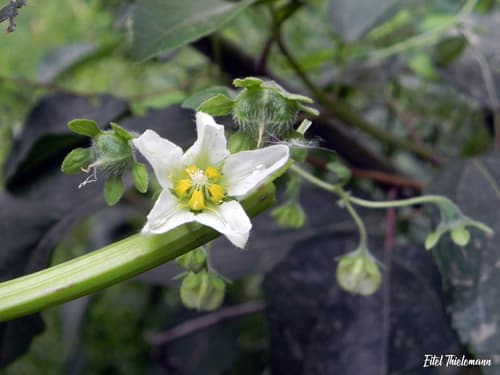
A herbaceous perennial characterized by its finely dissected, feather-like leaves and small, creamy-white to yellowish flowers arranged in dense, flat-topped clusters. It typically grows to a moderate height, forming a bushy habit.