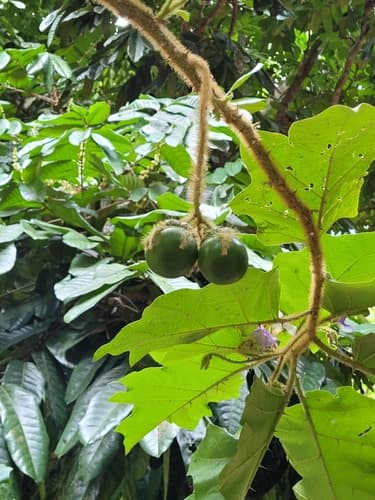
Kousa Dogwood
NameKousa Dogwood
Scientific NameCornus kousa
Common NamesKousa Dogwood, Japanese Dogwood, Korean Dogwood, Chinese Dogwood
Plant FamilyCornaceae
Natural HabitatNative to East Asia, specifically Japan, Korea, and China, where it grows in woodlands, forest edges, and on open slopes. It prefers well-drained, acidic to neutral soils and is widely cultivated as an ornamental plant in temperate regions worldwide.
Parts Usedfruit,bark,leaf
Medicinal Actionsastringent, antioxidant
Traditional UsesThe ripe fruit of the Kousa Dogwood is edible and can be consumed raw or used in culinary preparations such as jams, jellies, and pies. While less extensively documented than other dogwood species, the bark and leaves have been traditionally used in some folk medicine practices, primarily for their astringent properties, and as a general tonic or febrifuge.
Active Constituentstannins, anthocyanins, carotenoids, vitamin C
Preparation Methodsinfusion, decoction, powder
Contraindications & WarningsNo significant contraindications are widely reported for the Kousa Dogwood when consumed in typical food amounts. As with any plant, individuals may experience sensitivities. Unripe fruit is generally not consumed.
Cultivation NotesKousa Dogwood thrives in full sun to partial shade and requires well-drained, acidic to neutral soil. It is hardy in USDA zones 5-8, relatively drought-tolerant once established, and generally resistant to common dogwood diseases. Minimal pruning is typically needed.
Raritycommon
Description
A small deciduous tree or large shrub, the Kousa Dogwood is celebrated for its striking white to pinkish bracts that appear in late spring to early summer, surrounding its true, inconspicuous flowers. Its foliage is a vibrant green, turning to attractive shades of reddish-purple in autumn. The tree also produces edible, reddish, berry-like fruit in the fall.