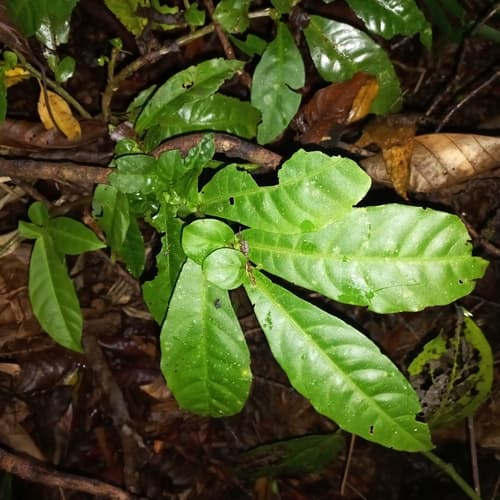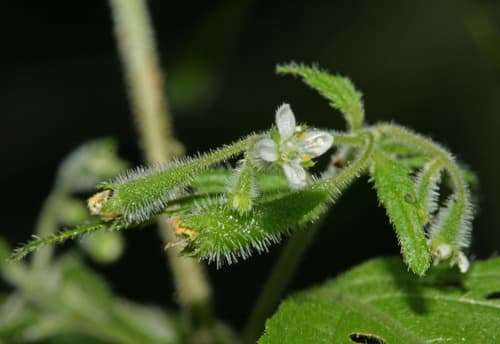
Klaprothia fasciculata
NameKlaprothia fasciculata
Scientific NameKlaprothia fasciculata
Common NamesOrtiga brava
Plant FamilyLoasaceae
Natural HabitatNative to the Andes region of South America, typically found in disturbed areas, roadsides, agricultural fields, and open woodlands, thriving in temperate to subtropical climates.
Parts Usedwhole_plant
Medicinal Actionsanalgesic, anti-inflammatory
Traditional UsesTraditionally, the plant, particularly its stinging hairs, may have been used topically as a counter-irritant to alleviate rheumatic pain, muscle aches, or localized inflammation, similar to the use of other stinging plants like Urtica species.
Active Constituentssilica (in glochids), irritant compounds
Preparation Methodspoultice
Contraindications & WarningsDirect skin contact can cause severe irritation, stinging, and allergic reactions due to the glochids. Avoid internal consumption. Handle with extreme care to prevent skin exposure.
Cultivation NotesPrefers well-drained soil and full sun to partial shade. It can be considered a weed in agricultural settings due to its prolific growth and stinging hairs, making it undesirable in cultivated areas.
Raritycommon
Description
Klaprothia fasciculata is an herbaceous plant, often annual or biennial, characterized by stems and leaves covered in prominent stinging hairs (glochids). It produces small, white, four-petaled flowers, typically with yellow stamens, and elongated, hairy seed capsules.