Solanum brevifolium
NameSolanum brevifolium
Scientific NameSolanum brevifolium
Plant FamilySolanaceae
Natural HabitatNative to montane forests of the Andes in South America, typically found climbing on trees or scrambling over vegetation in humid, subtropical to tropical environments.
Parts Usedleaf,fruit
Medicinal Actionsanti-inflammatory, antimicrobial
Traditional UsesSpecific traditional medicinal uses for Solanum brevifolium are not widely documented. However, other Solanum species have been traditionally used with extreme caution for conditions like inflammation or skin ailments, often externally, due to the presence of potent and potentially toxic compounds.
Active ConstituentsSteroidal glycoalkaloids (e.g., solanine), flavonoids, saponins
Preparation Methodspoultice, decoction
Contraindications & WarningsAll parts of Solanum brevifolium, like many Solanum species, are considered toxic due to steroidal glycoalkaloids. Internal use is strongly discouraged and potentially dangerous. Avoid use by pregnant/nursing women, children, and individuals with liver or kidney conditions.
Cultivation NotesThis woody vine thrives in humid, subtropical to tropical climates with well-drained soil and requires support for climbing. It prefers partial shade to full sun conditions.
Rarityuncommon
Description
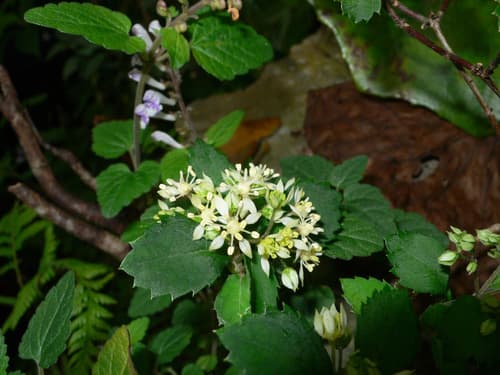
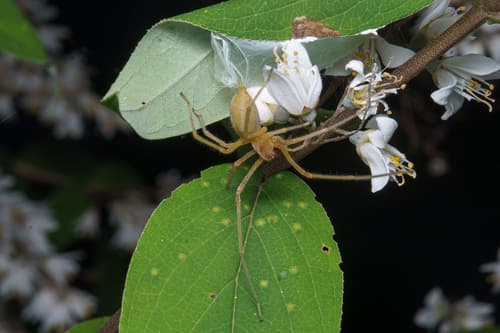
Solanum brevifolium is a woody vine or scrambling shrub, often epiphytic, characterized by small, ovate to elliptic leaves. It produces star-shaped flowers with white to pale lavender petals and prominent yellow anthers, followed by small green berries.