Cestrum kunthii
NameCestrum kunthii
Scientific NameCestrum kunthii
Common NamesCestrum kunthii
Plant FamilySolanaceae
Natural HabitatNative to montane and cloud forests of the Andes in South America, typically found at elevations between 1500-3000 meters. It can also occur in disturbed areas.
Parts Usedleaf,flower
Medicinal Actionsanti-inflammatory, analgesic
Traditional UsesWhile specific traditional uses for Cestrum kunthii are not widely documented, other Cestrum species have been traditionally used externally as poultices for pain, inflammation, and skin conditions. Internal use is generally avoided due to high toxicity.
Active Constituentssteroidal glycoalkaloids, saponins, flavonoids
Preparation Methodspoultice
Contraindications & WarningsHighly toxic; internal use is strictly contraindicated due to the presence of steroidal glycoalkaloids and saponins. Avoid during pregnancy, lactation, and in children. May cause skin irritation in sensitive individuals when applied topically.
Cultivation NotesPrefers moist, well-drained soil and full sun to partial shade. It is frost-tender and thrives in subtropical to tropical montane climates, requiring protection from cold temperatures.
Rarityuncommon
Description
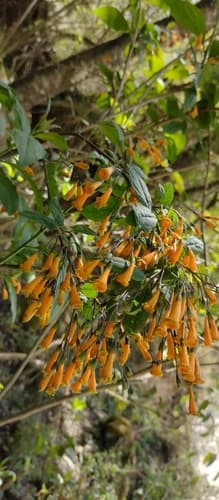
A shrub or small tree native to the Andes, characterized by its simple green leaves and abundant clusters of small, tubular, orange-yellow flowers. The flowers are often fragrant, especially at night.