Jepson's dodder
NameJepson's dodder
Scientific NameCuscuta jepsonii
Common NamesJepson's dodder, Dodder
Plant FamilyConvolvulaceae
Natural HabitatNative to California, it parasitizes various herbaceous plants and shrubs in diverse habitats including grasslands, chaparral, woodlands, and disturbed areas, requiring a host to survive.
Parts Usedwhole_plant,seed
Medicinal Actionsadaptogen, antioxidant, anti-inflammatory
Traditional UsesTraditionally, dodder species (especially seeds) are used in herbal medicine as a kidney and liver tonic, to improve vision, strengthen bones, and address issues like impotence and frequent urination, often considered a general tonic for vitality.
Active ConstituentsFlavonoids, Lignans, Polysaccharides, Saponins
Preparation Methodsinfusion, decoction, powder
Contraindications & WarningsDue to its parasitic nature, dodder can be toxic to livestock in large quantities. Human medicinal use requires careful preparation; caution is advised for pregnant/nursing women and individuals with pre-existing conditions, as specific safety data for C. jepsonii is limited.
Cultivation NotesDodder is a parasitic plant that cannot be cultivated independently. It germinates and must attach to a host plant via haustoria to draw nutrients, often considered an agricultural pest rather than a cultivated crop.
Raritycommon
Description
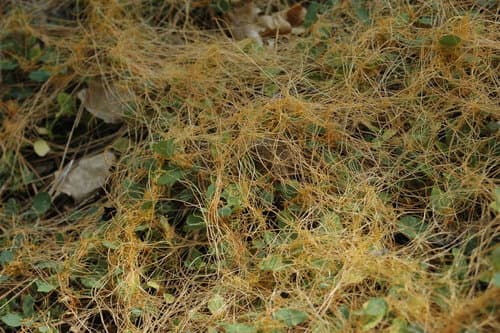
Cuscuta jepsonii is an annual parasitic plant characterized by its slender, yellowish-orange, thread-like stems that twine around host plants. It lacks chlorophyll and true leaves, obtaining all nutrients from its host via specialized structures called haustoria.