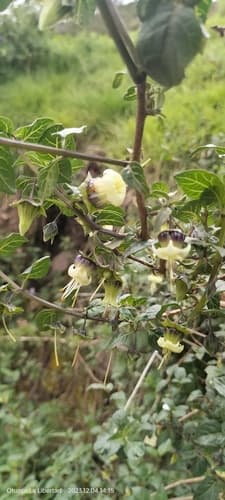
Jaltomata ventricosa
NameJaltomata ventricosa
Scientific NameJaltomata ventricosa
Common NamesUchu-uchu, Tomate silvestre, Capulí silvestre
Plant FamilySolanaceae
Natural HabitatFound in montane forests, cloud forests, and disturbed areas of the Andes mountains in South America, typically at elevations between 2000 and 3500 meters.
Parts Usedfruit,leaf
Medicinal Actionsantioxidant, anti-inflammatory
Traditional UsesThe ripe fruits of Jaltomata ventricosa are traditionally consumed as food. In some Andean communities, the leaves may be used topically in poultices for minor skin ailments or as an infusion for general well-being, though specific ethnobotanical data for this species is limited.
Active ConstituentsAnthocyanins, Flavonoids, Steroidal alkaloids
Preparation Methodsinfusion, poultice
Contraindications & WarningsUnripe fruits and leaves may contain toxic steroidal alkaloids, and consumption should be avoided. Pregnant or nursing individuals, children, and those with known allergies to the Solanaceae family should exercise caution.
Cultivation NotesPrefers well-drained soil and a warm, humid climate, thriving in partial shade to full sun. It can be propagated from seeds and requires conditions similar to its native Andean montane habitat.
Rarityuncommon
Description
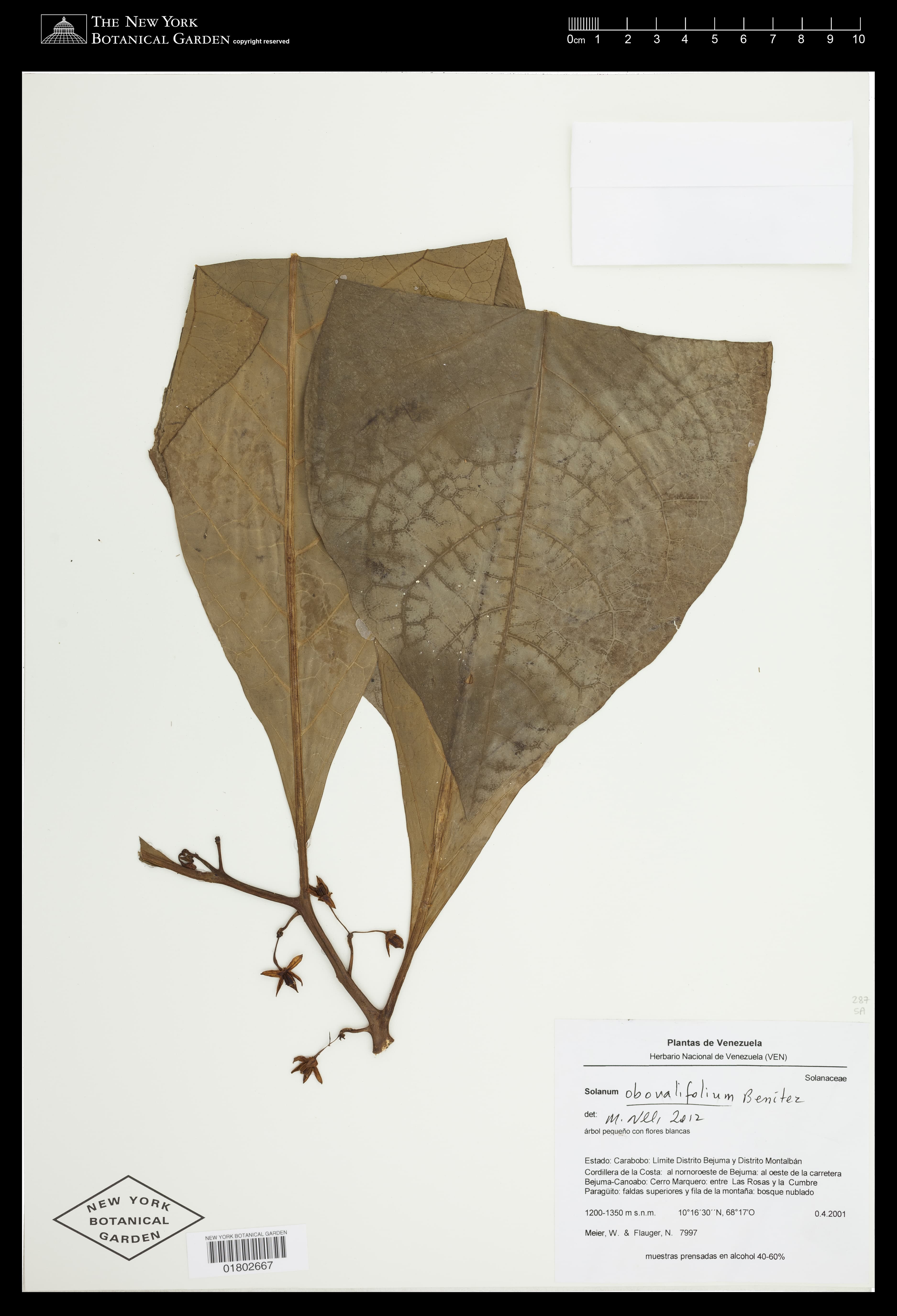
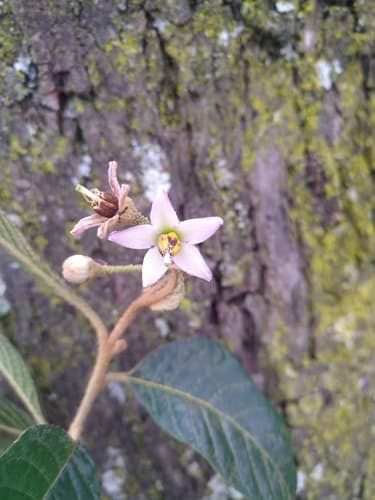
Jaltomata ventricosa is a perennial herb or small shrub native to the Andean regions. It features bell-shaped flowers, typically pale yellow to greenish-white with darker purple markings in the throat, and produces small, edible berries. Its leaves are ovate with distinct venation.