Mandrake
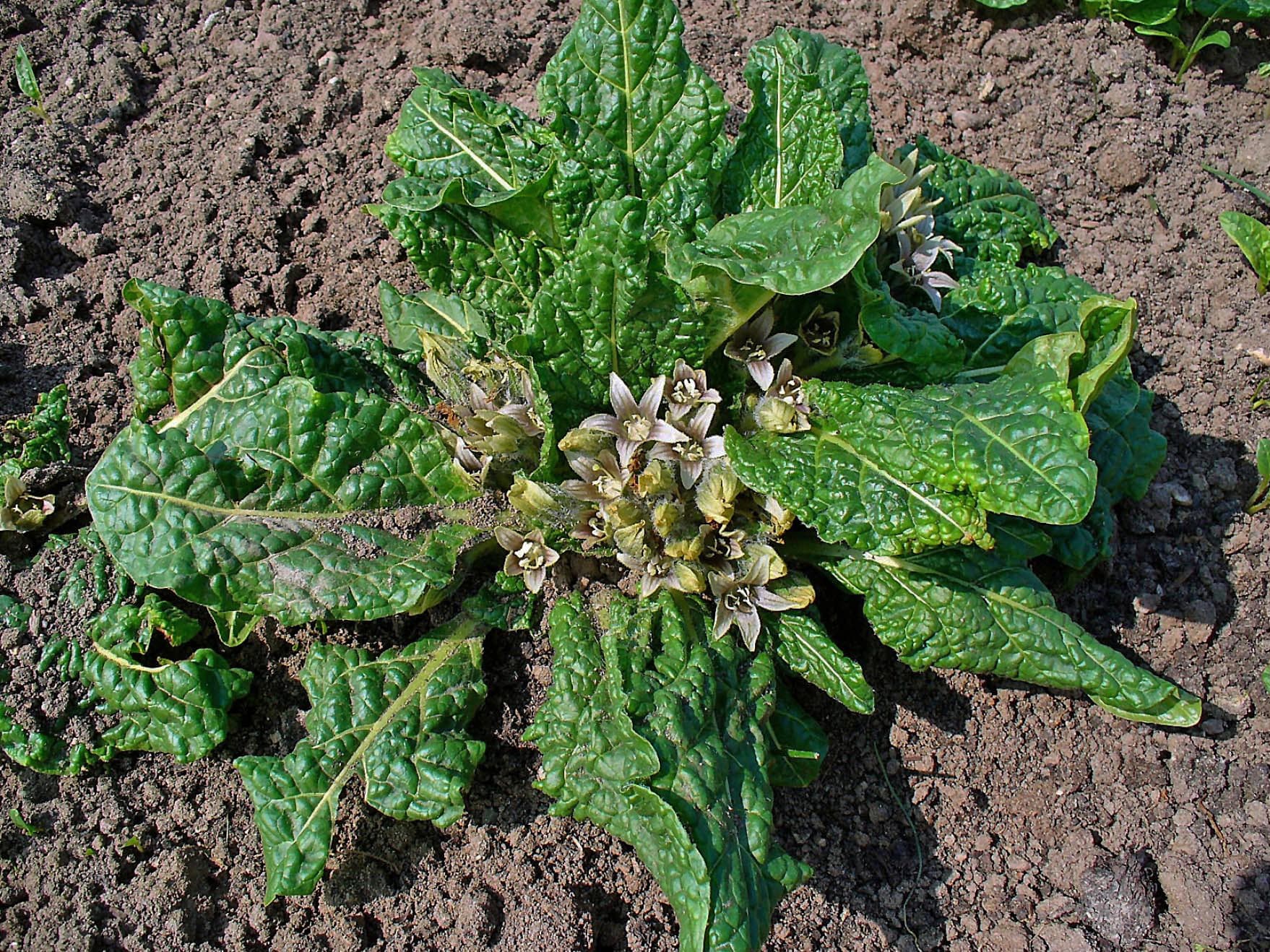
Image: H. Zell (CC BY-SA 3.0)
NameMandrake
Scientific NameMandragora officinarum
Common NamesMandrake, Common Mandrake, Autumn Mandrake
Plant FamilySolanaceae
Natural HabitatNative to the Mediterranean region, including Southern Europe, North Africa, and the Middle East. It typically grows in disturbed ground, olive groves, vineyards, and open woodlands, preferring well-drained, fertile soil.
Parts Usedroot,leaf,fruit
Medicinal Actionsanalgesic, sedative, nervine
Traditional UsesTraditionally, mandrake root was used as a powerful sedative, anesthetic, and pain reliever, often in surgical procedures in ancient times. It was also employed as an aphrodisiac, emetic, and purgative. Due to its potent hallucinogenic and narcotic properties, it held significant importance in folklore, magic, and ritualistic practices, often associated with witchcraft and fertility.
Active Constituentsscopolamine, hyoscyamine, atropine
Preparation Methodstincture, decoction, poultice
Contraindications & WarningsMandrake is highly toxic and potentially lethal due to its potent tropane alkaloids. It should never be ingested or used without strict medical supervision. Contraindicated in pregnancy, breastfeeding, children, individuals with heart conditions, glaucoma, prostate enlargement, or gastrointestinal issues. It can cause severe hallucinations, respiratory depression, coma, and death. Interacts dangerously with numerous medications, including anticholinergics, sedatives, and antidepressants.
Cultivation NotesMandrake prefers full sun to partial shade and well-drained, fertile soil, ideally sandy or loamy. It is drought-tolerant once established but benefits from moderate watering during dry periods. It can be grown from seed, which requires stratification, or from root divisions. Protect from severe frost in colder climates.
Rarityuncommon
Description
Mandrake is a perennial herbaceous plant characterized by a rosette of large, crinkled, dark green leaves that lie close to the ground. It produces small, bell-shaped flowers, typically pale purple or greenish-white, emerging from the center of the rosette, followed by yellow or orange berries. The plant is most notable for its thick, often bifurcated taproot.