Ipomoea megapotamica
NameIpomoea megapotamica
Scientific NameIpomoea megapotamica
Common NamesBatata-de-purga, Purga-do-campo, Jalapa-do-campo
Plant FamilyConvolvulaceae
Natural HabitatNative to South America, particularly Brazil, Paraguay, Uruguay, and Argentina, it thrives in grasslands, savannas, and disturbed open areas.
Parts Usedroot
Medicinal Actionsantioxidant
Traditional UsesTraditionally, the tuberous root of Ipomoea megapotamica is used as a potent purgative to alleviate severe constipation and liver congestion. It has also been employed as an anthelmintic to expel intestinal parasites and for conditions requiring strong detoxification.
Active ConstituentsResin glycosides, Operculins
Preparation Methodsdecoction, powder
Contraindications & WarningsContraindicated in pregnancy, lactation, intestinal obstruction, inflammatory bowel diseases, appendicitis, and severe dehydration. It can cause severe abdominal cramps, vomiting, and diarrhea, and may interact with diuretics, corticosteroids, and cardiac glycosides due to electrolyte imbalance.
Cultivation NotesThis plant prefers full sun to partial shade and well-drained soil. It is a warm-climate species, typically propagated from seeds or root cuttings.
Raritycommon
Description
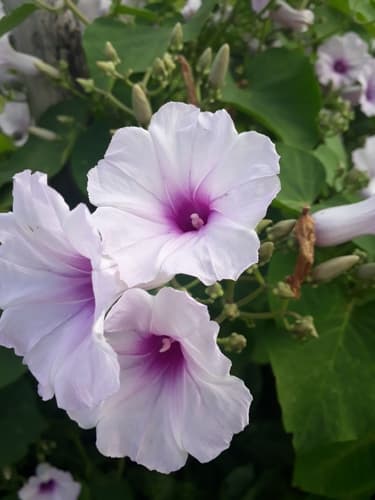
Ipomoea megapotamica is a perennial herbaceous vine characterized by its large tuberous root. It produces heart-shaped or lobed leaves and showy, funnel-shaped flowers, typically pale lavender to white with a distinct darker purple throat.