Linden cestrum
NameLinden cestrum
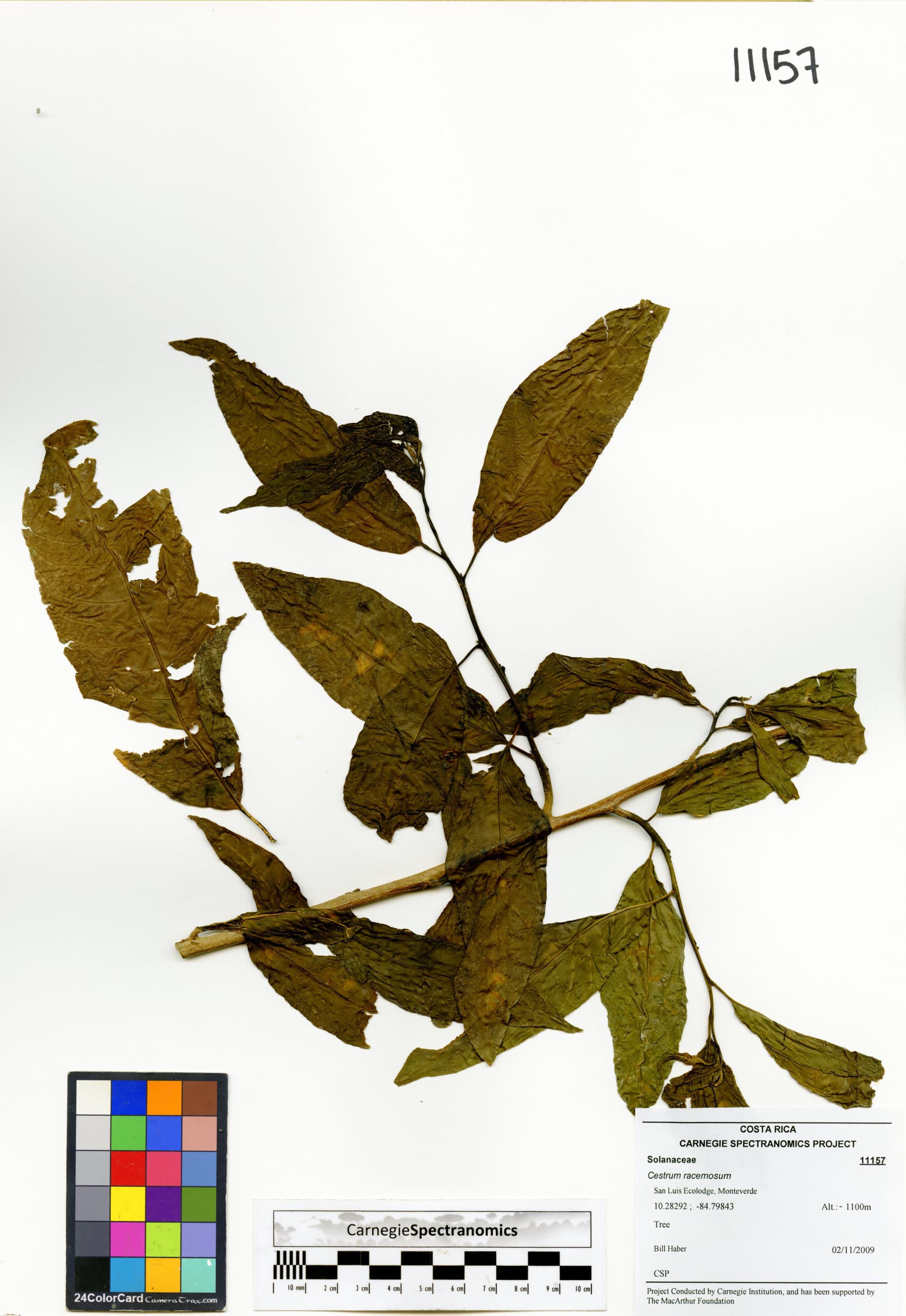
Scientific NameCestrum racemosum
Common NamesLinden cestrum
Plant FamilySolanaceae
Natural HabitatNative to tropical regions, specifically found in montane cloud forests or wet forest environments, such as those at approximately 1100m altitude in Monteverde, Costa Rica.
Parts Usedleaf
Medicinal Actionsanalgesic, anti-inflammatory
Traditional UsesWhile the Cestrum genus is widely recognized for its toxicity, some species, including potentially Cestrum racemosum, have been traditionally employed in folk medicine for external applications to alleviate pain and inflammation. Internal use is generally considered unsafe due to the presence of toxic compounds.
Active Constituentssteroidal saponins, alkaloids, glycosides
Preparation Methodsinfusion, poultice
Contraindications & WarningsThe plant is highly toxic and should not be ingested. Ingestion can lead to severe gastrointestinal distress, neurological symptoms, and other adverse effects. Avoid use during pregnancy, lactation, and in children. Consult a qualified expert before any use.
Cultivation NotesAs a tropical tree, it thrives in warm, humid conditions with well-drained soil. It typically prefers partial to full sun exposure.
Rarityuncommon
Description
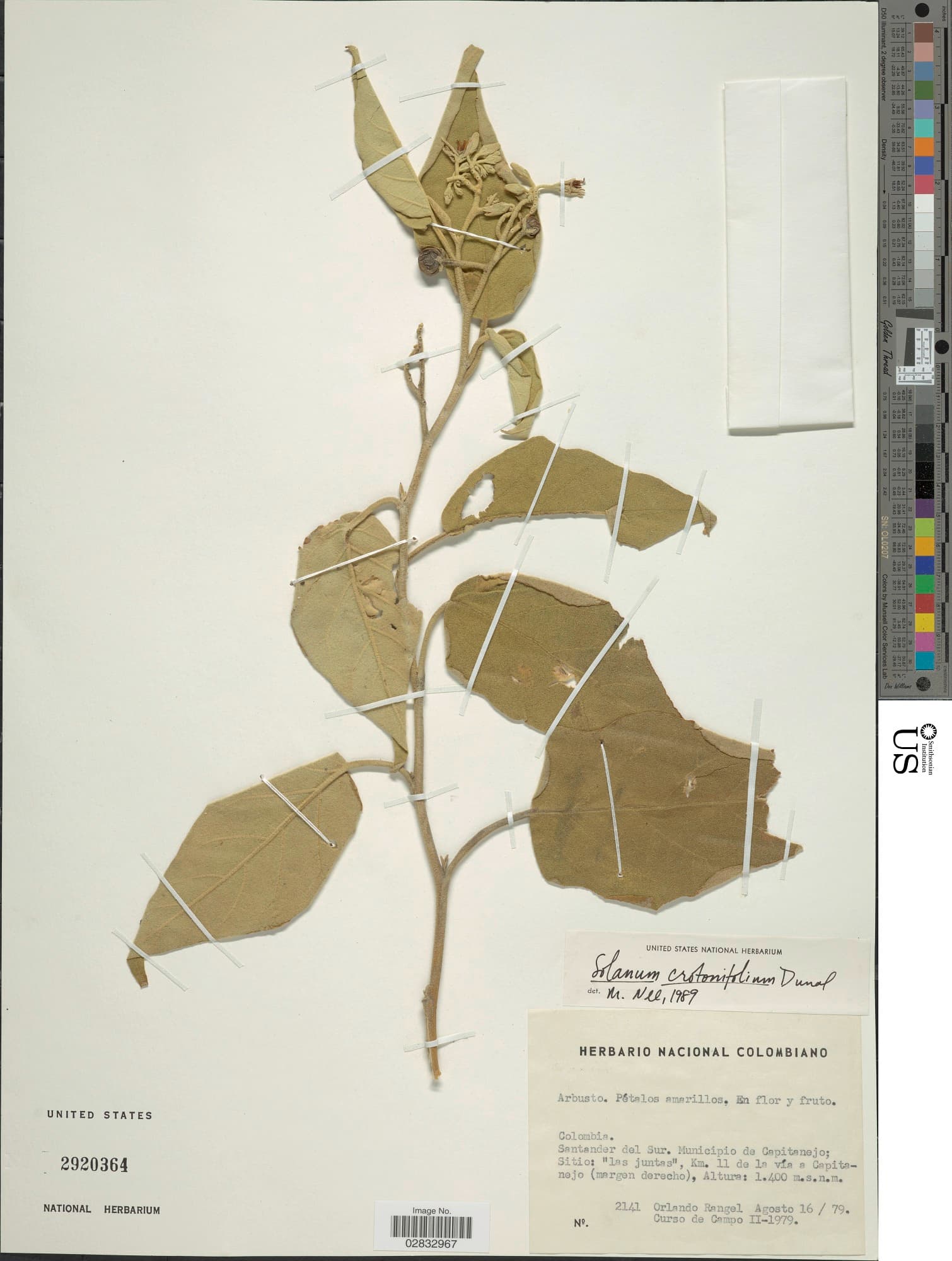
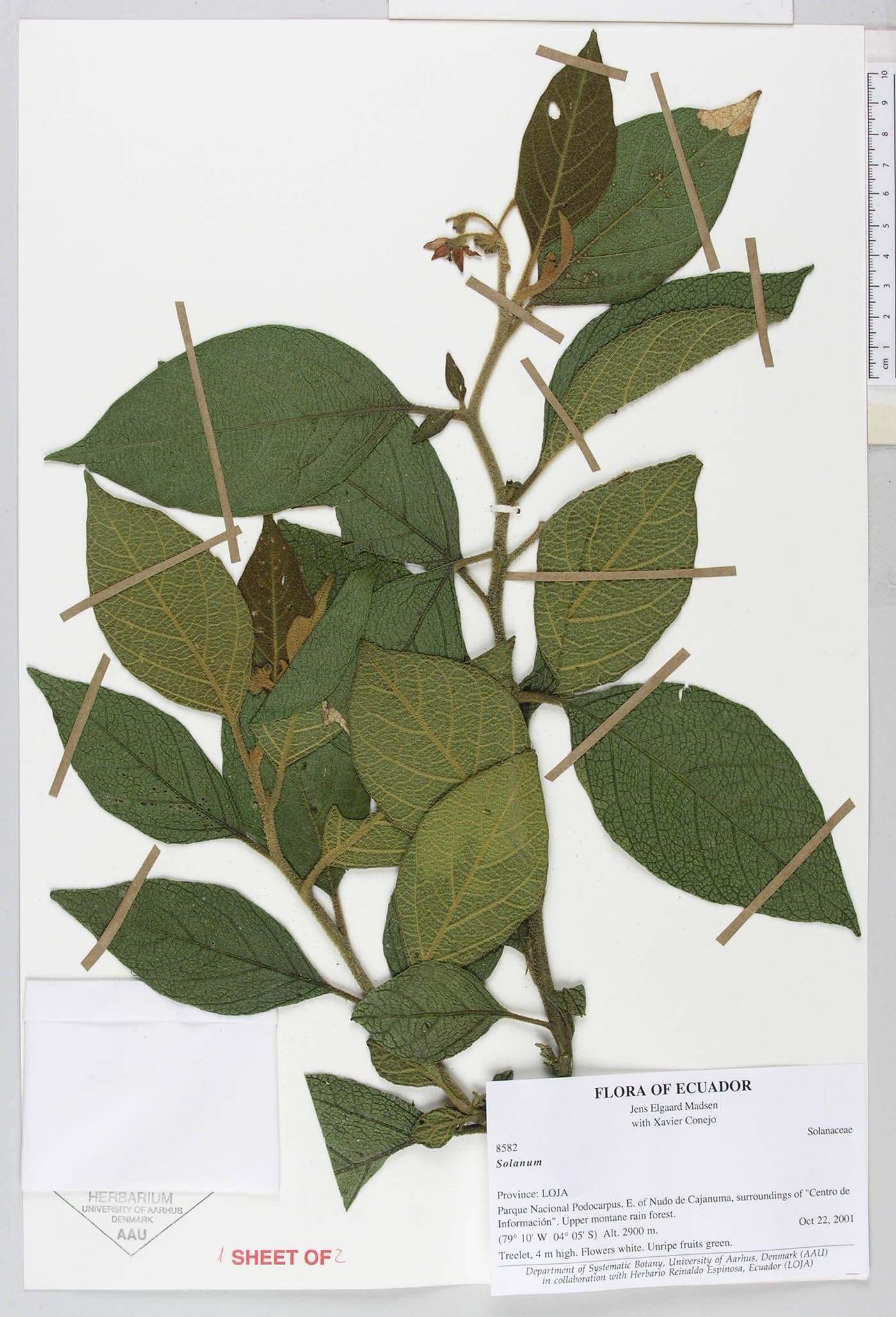
Cestrum racemosum is a woody shrub or small tree characterized by its alternate, simple, entire, ovate to elliptic leaves, which are typically dark green and somewhat leathery. The specimen shows a branch with several leaves.