Ipomoea lutea
NameIpomoea lutea
Scientific NameIpomoea hederifolia
Common NamesScarlet Morning Glory, Red Morning Glory, Star Ipomoea
Plant FamilyConvolvulaceae
Natural HabitatNative to tropical and subtropical Americas, this plant is now widely naturalized in warm regions globally. It thrives in disturbed areas, fields, roadsides, and gardens.
Parts Usedseed,root
Medicinal Actionsanti-inflammatory, antimicrobial, antioxidant
Traditional UsesTraditionally, the seeds and roots of Ipomoea hederifolia have been used as a strong purgative or laxative in various folk medicine systems. While its primary traditional use is purgative, some Ipomoea species are also explored for other properties.
Active ConstituentsResin glycosides, Alkaloids
Preparation Methodsdecoction, powder
Contraindications & WarningsDue to its potent purgative effects, Ipomoea hederifolia can cause severe gastrointestinal upset, dehydration, and electrolyte imbalance. It is not recommended for pregnant or breastfeeding women, children, or individuals with gastrointestinal disorders, and can be toxic if misused.
Cultivation NotesThis fast-growing vine is easily cultivated from seed in full sun and well-drained soil. It requires support for climbing and, while tolerant of various soil types, prefers fertile conditions.
Raritycommon
Description
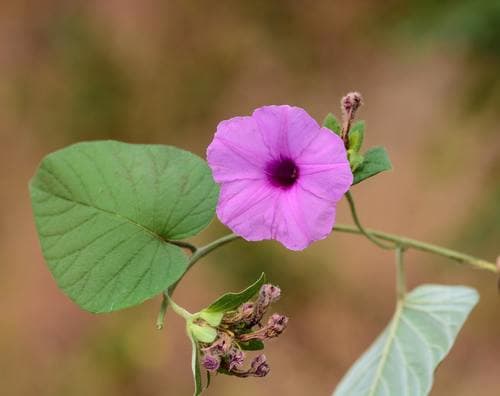
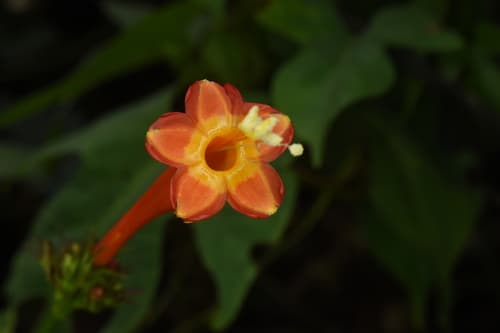
Ipomoea hederifolia is a vigorous annual or perennial climbing vine, characterized by its ivy-shaped or deeply lobed leaves. It produces striking trumpet-shaped flowers, typically scarlet to orange-red with a yellow throat, blooming in summer and fall.