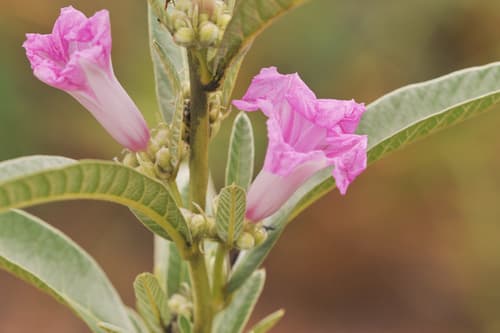
Ipomoea cuneifolia
NameIpomoea cuneifolia
Scientific NameIpomoea cuneifolia
Common NamesWedge-leaved Morning Glory
Plant FamilyConvolvulaceae
Natural HabitatThis species is native to various parts of tropical Africa, where it commonly grows in grasslands, open woodlands, savannas, and sometimes in disturbed areas or along roadsides. It prefers well-drained soils and sunny locations.
Parts Usedroot,leaf
Medicinal Actionsanti-inflammatory, antimicrobial, diuretic
Traditional UsesTraditionally, the roots of Ipomoea cuneifolia have been used in some African communities for their purgative properties, aiding in the treatment of constipation and various stomach ailments. Leaves may also be employed in remedies for skin conditions or as general tonics.
Active ConstituentsResin glycosides, Flavonoids, Phenolic compounds
Preparation Methodsdecoction, infusion, powder, poultice
Contraindications & WarningsDue to potential purgative effects, caution is advised for pregnant or nursing women, young children, and individuals with gastrointestinal disorders. Overuse can lead to dehydration and electrolyte imbalance.
Cultivation NotesIpomoea cuneifolia thrives in full sun and well-drained soil, tolerating a range of soil types once established. It is relatively drought-tolerant and can be propagated from seeds or stem cuttings, preferring warm climates.
Raritycommon
Description
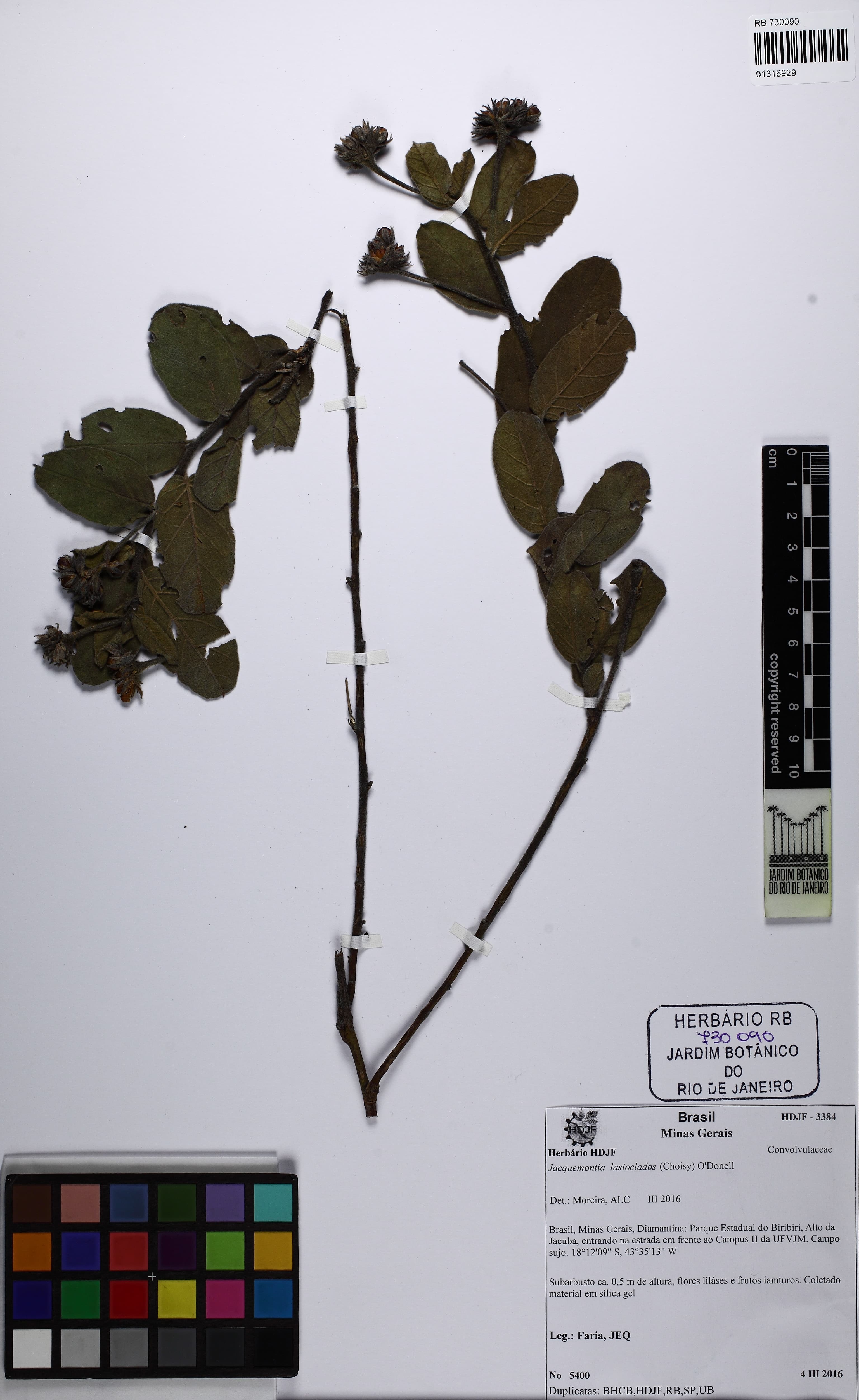
Ipomoea cuneifolia is a perennial herb or subshrub characterized by its striking pink, trumpet-shaped flowers and distinctive wedge-shaped leaves. The flowers typically emerge from the leaf axils, often in clusters, and the plant can have a trailing or scrambling growth habit.