Ipomoea cheirophylla
NameIpomoea cheirophylla
Scientific NameIpomoea cheirophylla
Common NamesHand-leaf Morning Glory, Morning Glory
Plant FamilyConvolvulaceae
Natural HabitatNative to tropical and subtropical regions, often found in dry, rocky areas, scrublands, and open woodlands, particularly in parts of Mexico and Central America.
Parts Usedroot
Medicinal Actionsdiuretic, anti-inflammatory, antioxidant
Traditional UsesSpecific traditional medicinal uses for Ipomoea cheirophylla are not extensively documented in ethnobotanical literature. However, within the Ipomoea genus, various species are traditionally used for their purgative, diuretic, and anti-inflammatory properties, often targeting conditions like constipation, edema, or inflammatory ailments.
Active ConstituentsResin glycosides, Flavonoids
Preparation Methodsdecoction, powder
Contraindications & WarningsDue to the lack of specific research on Ipomoea cheirophylla, general contraindications for the Ipomoea genus should be considered. Many species can be purgative and potentially toxic in high doses, leading to gastrointestinal distress. Pregnant or breastfeeding women, and individuals with gastrointestinal disorders, should avoid use.
Cultivation NotesThis plant prefers full sun to partial shade and well-drained soil. It is generally drought-tolerant once established and can be grown from seed or cuttings. It thrives in warm climates and may require support as a climbing vine.
Raritycommon
Description
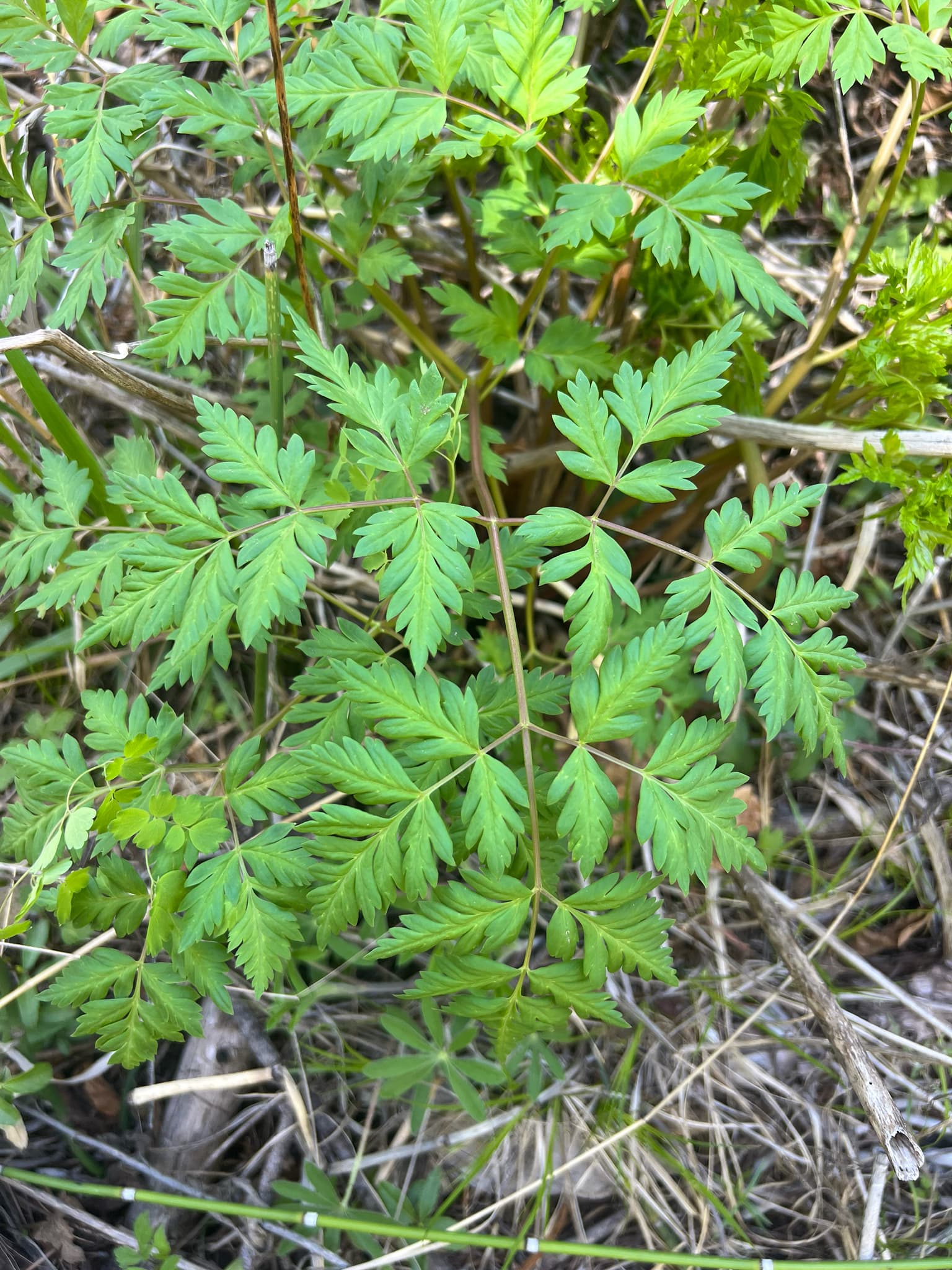
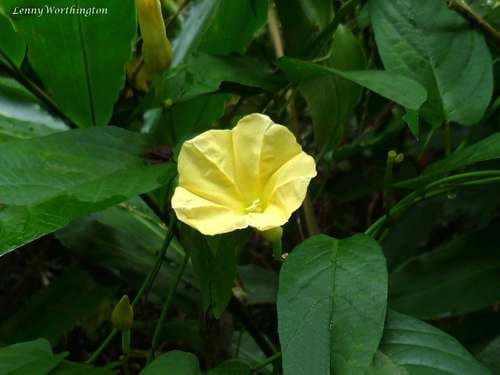
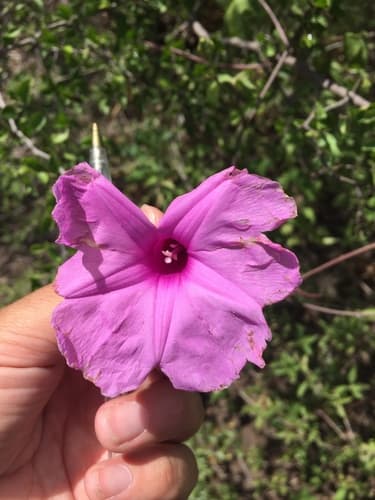
Ipomoea cheirophylla is a perennial vine or subshrub characterized by its distinctive deeply lobed, palmate leaves. It produces showy, funnel-shaped flowers, typically ranging from pink to purplish-pink with a darker throat, as seen in the image.