Ipomoea abutiloides
NameIpomoea abutiloides
Scientific NameIpomoea abutiloides
Common NamesBush Morning Glory
Plant FamilyConvolvulaceae
Natural HabitatNative to tropical and subtropical regions of the Americas, often found in disturbed areas, open woodlands, and along roadsides. It thrives in warm climates.
Parts Usedleaf,root
Medicinal Actionsanti-inflammatory, antimicrobial
Traditional UsesSpecific traditional medicinal uses for Ipomoea abutiloides are not extensively documented. However, other species within the Ipomoea genus have been traditionally used as purgatives, for treating skin conditions, and for their anti-inflammatory properties.
Active Constituentsresin glycosides
Preparation Methodsinfusion, decoction, poultice
Contraindications & WarningsDue to the potential presence of resin glycosides common in the Ipomoea genus, internal use may cause severe gastrointestinal upset, dehydration, and should be avoided during pregnancy or in cases of intestinal obstruction. Consult a healthcare professional before use.
Cultivation NotesThis vine prefers full sun to partial shade and well-drained soil. It is relatively easy to grow in warm, humid climates and can be propagated by seed or cuttings.
Raritycommon
Description
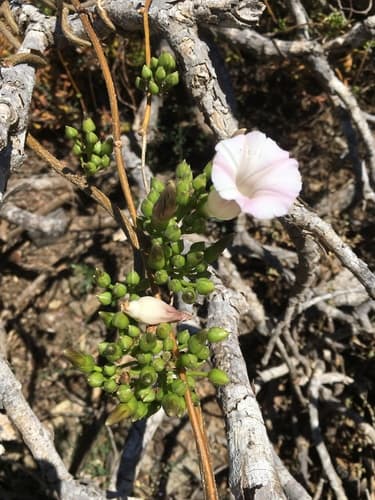
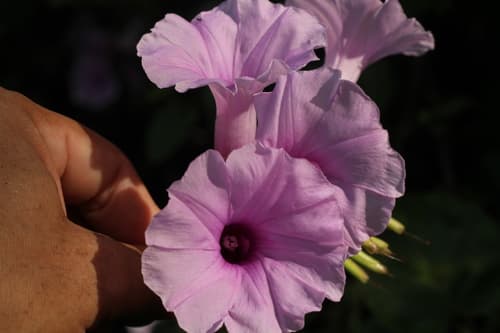
Ipomoea abutiloides is a climbing or trailing perennial vine characterized by its heart-shaped leaves and showy, trumpet-shaped flowers, typically pale purple or pinkish-lavender with a darker throat. While a member of the diverse Ipomoea genus, specific traditional medicinal uses for this particular species are not widely documented.