Iochroma parvifolium
NameIochroma parvifolium
Scientific NameIochroma parvifolium
Common NamesLittle-leaf Iochroma, Mini Iochroma
Plant FamilySolanaceae
Natural HabitatNative to the high-altitude cloud forests and montane regions of the Andes in South America, particularly Ecuador and Peru. It thrives in cool, moist environments.
Parts Usedleaf,flower,fruit
Medicinal Actionsanalgesic, anti-inflammatory
Traditional UsesDue to the presence of potent tropane alkaloids, Iochroma parvifolium and related species are considered toxic. Ethnobotanical uses in indigenous Andean cultures have included highly specialized ritualistic psychoactive purposes, and occasionally for pain relief or fever, but these applications are extremely dangerous and not for general herbal use.
Active Constituentstropane alkaloids, atropine, scopolamine, hyoscyamine
Preparation Methodsinfusion, decoction
Contraindications & WarningsHighly toxic due to tropane alkaloids; all parts are poisonous if ingested. Contraindicated in pregnancy, breastfeeding, glaucoma, heart conditions, prostate enlargement, gastrointestinal obstruction, and by anyone without expert ethnobotanical guidance. Ingestion can lead to severe anticholinergic poisoning.
Cultivation NotesPrefers cool, moist conditions with well-drained soil. Can be grown in partial shade to full sun, but often benefits from afternoon shade in hotter climates. Requires protection from frost and can be propagated by cuttings.
Raritycommon
Description
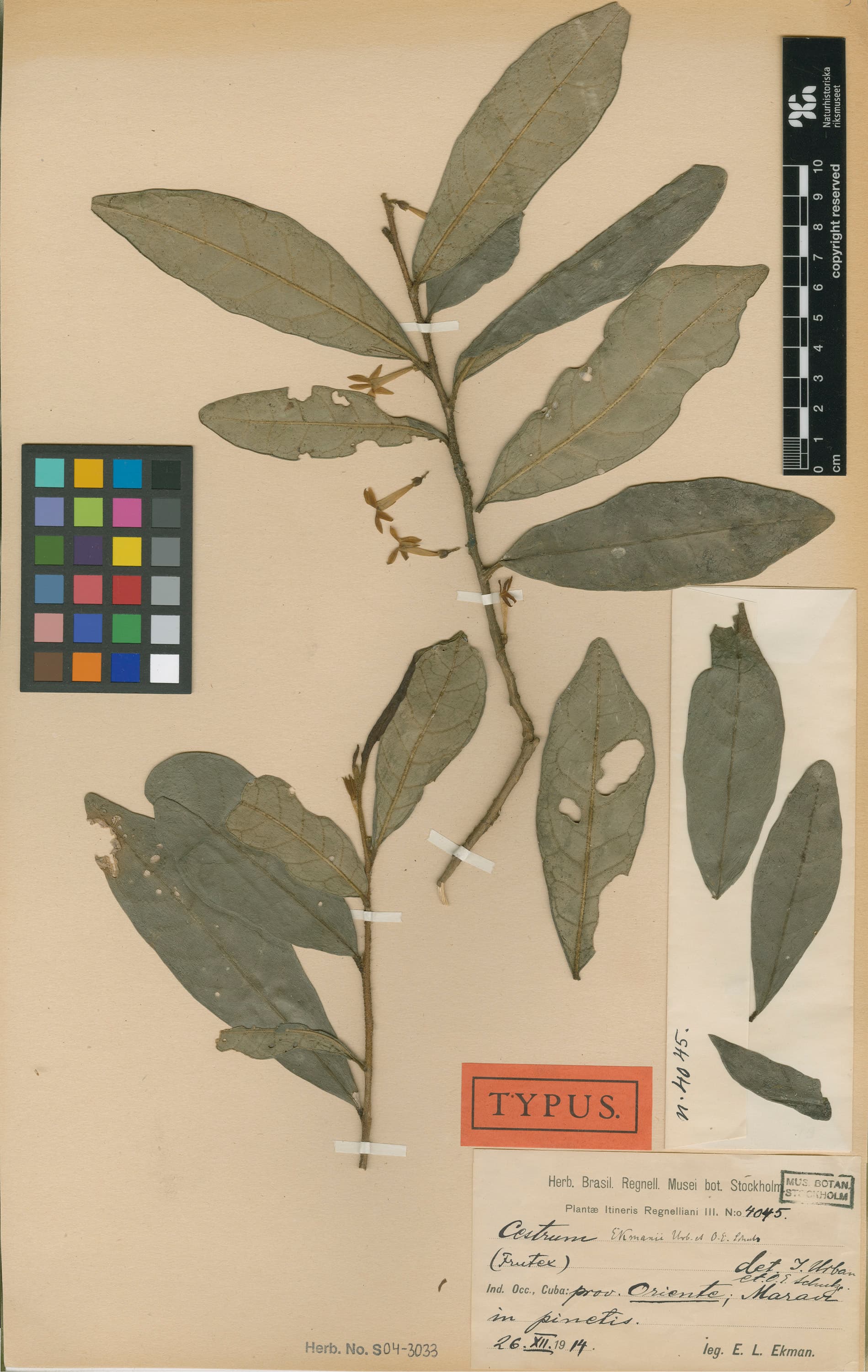
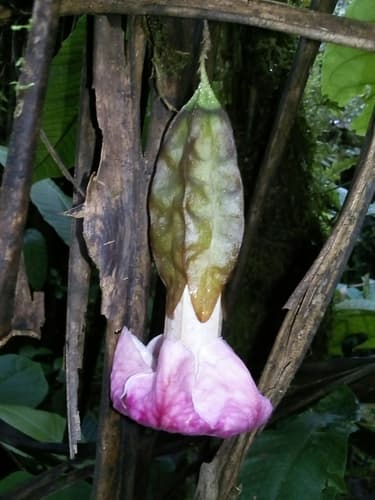
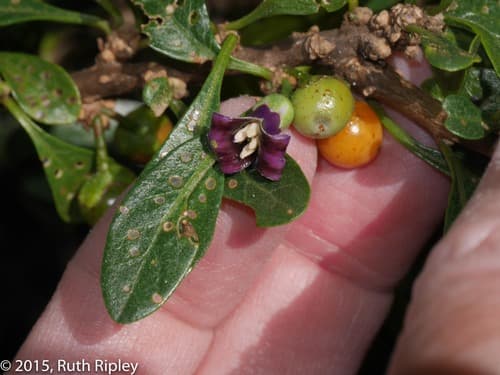
Iochroma parvifolium is a compact shrub characterized by its small, ovate to lanceolate leaves. It produces small, tubular, dark purple flowers, followed by small, berry-like fruits that ripen from green to orange or yellow.